
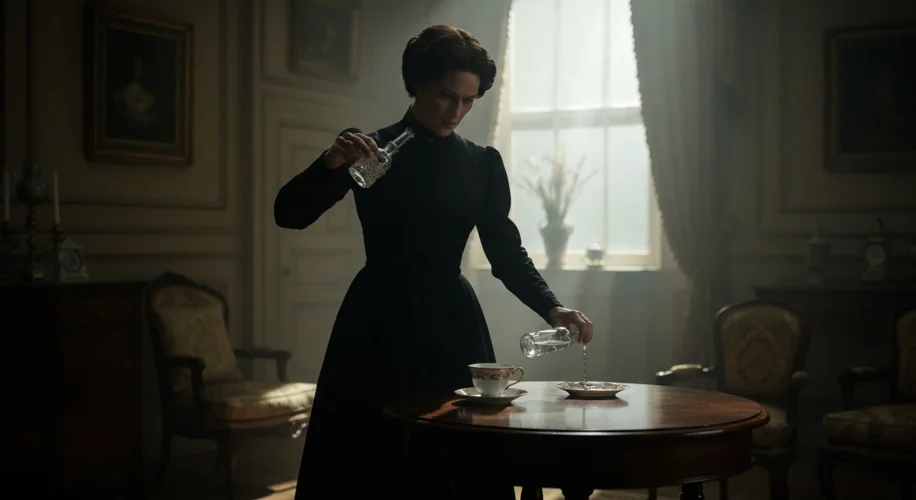
The scent of lavender and rosewater, the crackling hearth, the shared meal – these are the comforting images conjured by the word ‘home.’ Yet, beneath this veneer of domestic tranquility, history reveals a darker, more insidious truth: the home can also be a theater for betrayal, where the most intimate of relationships are shattered by the silent, invisible hand of poison.
For centuries, poison has been the weapon of the weak, the desperate, and the cunning. Unlike the overt violence of a blade or a blunt instrument, poison offered a subtle, often undetectable means of dispatch, particularly potent within the confines of the domestic sphere where trust and proximity were paramount.
The historical fascination with poisoning, especially within family disputes, stems from its inherent drama and the chilling violation of sanctuary. It speaks to our primal fears of vulnerability and the potential for monstrosity within those we hold dearest.
One of the most infamous cases, though set in the early 20th century and thus just outside our strict pre-2000 cut-off for detailed exploration, offers a chilling glimpse. The story of Dr. H. H. Crippen in 1910, while involving an affair and a flight attempt, began with the disappearance of his wife, Cora. Her remains, identified by a distinctive pendant, were found buried in the cellar of their London home. The cause of death: hyoscine, a potent alkaloid, administered by none other than her husband. Crippen’s subsequent capture, thanks to the pioneering use of wireless telegraphy to alert authorities, cemented his place in criminal history. His motive? A desire for freedom and a new life with his mistress, Émilienne Delagrange. The stark contrast between the idealized image of a physician and the reality of his lethal deceit made the case a sensational public spectacle.
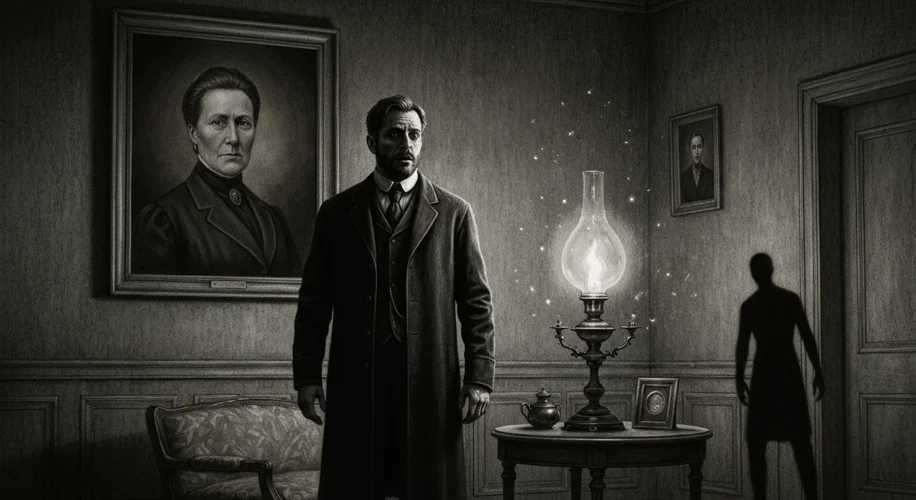
Further back in time, the Renaissance court of Italy was rife with tales of arsenic, belladonna, and other lethal concoctions. The Borgia family, notorious for their alleged ruthlessness, were often associated with poisons, though concrete evidence is scarce, swirling more in legend than in documented fact. However, the practice was undeniably real. In an era where family alliances were crucial and inheritance disputes could be deadly, poison offered a discreet solution. For women, often lacking direct power, it was a clandestine means to assert control or escape oppressive marriages.
Consider the case of Giulia Tofana in 17th century Palermo. She was the proprietor of a popular cosmetics business, but her true enterprise was the manufacture and sale of “Manna of St. Nicholas of Bari” – a tasteless, odorless poison indistinguishable from water. Tofana and her associates catered to women trapped in abusive marriages or seeking to inherit wealth. The poison was so subtle that victims often succumbed to what appeared to be natural illness. Tofana allegedly sold enough poison to kill approximately 600 people. Her reign of secret terror ended when she was eventually arrested and, according to legend, executed in 1659. Her daughter, who aided her, was also executed. The tale highlights how desperation, coupled with ingenuity, could create a lethal underworld within seemingly ordinary lives.
The motivations behind these domestic poisonings were as varied as the poisons themselves. Greed, jealousy, revenge, the desire for freedom from an unwanted spouse, or even a twisted form of mercy have all played their part. The intimate nature of the crime means that the perpetrator often had ample opportunity to administer the poison, often through food or drink, making the very sustenance of life a vector of death.
The societal perception of poisoners varied. In some periods, they were viewed as monstrous figures, agents of chaos preying on the innocent. In others, particularly when the victim was deemed cruel or abusive, there might have been a grudging understanding, even sympathy, for the desperate measures taken.
The detection of poison was also a significant challenge for much of history. Early forensic science was rudimentary. While apothecaries and physicians could sometimes identify obvious poisons, many substances left little trace. It wasn’t until the development of chemical analysis, particularly in the 19th century with figures like Mathieu Orfila, the father of toxicology, that the detection of even minute quantities of poison became more reliable. This advancement, while aiding justice, also forced poisoners to become even more sophisticated or to abandon the method altogether.
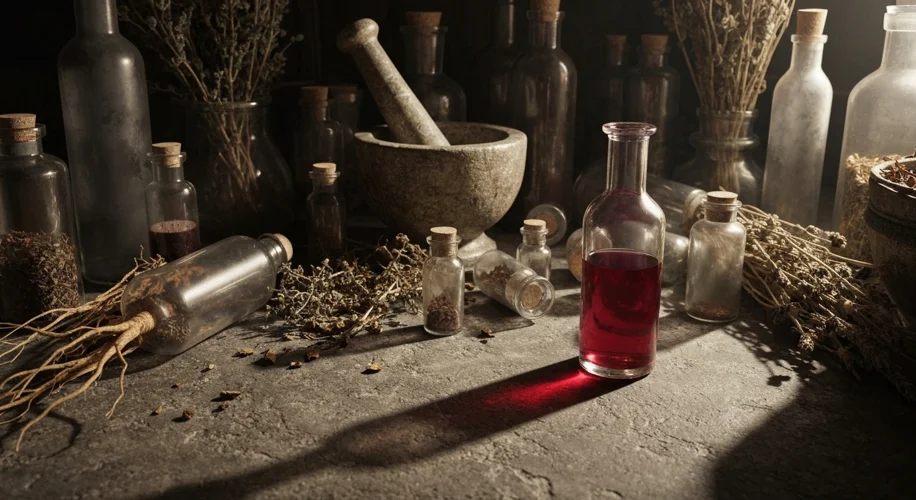
The enduring legacy of these historical poisonings lies not just in the grim facts of the crimes, but in what they reveal about human nature. They underscore the fact that even within the most intimate relationships, darkness can fester. The home, a symbol of safety, can become the ultimate trap, and the most trusted hands can wield the deadliest weapons. These stories serve as a stark reminder that beneath the surface of everyday life, hidden histories of betrayal and deadly intent often lie in wait, waiting to be uncovered, much like the faint traces of a poison in a long-ago cup.
From the subtle manipulation of Renaissance courts to the desperate acts of women seeking escape, poison in domestic disputes represents a chilling chapter in the history of human conflict. It is a testament to the power of deception and the enduring, often terrifying, complexities of the human heart.