

The annals of history are replete with figures whose lives, even after their demise, continue to fascinate and mystify. Among these giants, Napoleon Bonaparte stands as a titan, his military genius and imperial ambitions etched into the very fabric of Western civilization. Yet, beneath the veneer of the Emperor’s indomitable will, whispers and rumors have persisted for centuries, casting a peculiar shadow over his final years. One of the most persistent, and indeed peculiar, of these rumors concerns Napoleon’s health and, more specifically, a whispered suggestion that he suffered from an ostomy.

The Emperor’s Ailing Years: A Context of Concern
To understand the genesis of such rumors, one must first appreciate the historical context of Napoleon’s later life. Following his disastrous Russian campaign in 1812 and his eventual abdication in 1814, Napoleon was exiled to the island of Elba. His triumphant return in 1815, the Hundred Days, culminated in his final defeat at the Battle of Waterloo. This led to his second, and more permanent, exile to the remote South Atlantic island of Saint Helena.
On Saint Helena, under the watchful, and often suffocating, gaze of his British captors, Napoleon’s health began a marked decline. He complained of various ailments, including stomach pains, nausea, and fatigue. His personal physician, Dr. Francesco Antommarchi, a man whose loyalty was as fierce as his medical skills were questioned by some, provided a steady stream of medical reports, often contradictory and colored by his own biases. These reports, coupled with the accounts of his entourage and his captors, painted a picture of a man slowly succumbing to illness, his once-boundless energy seemingly drained away.
The Seeds of Suspicion: What Fueled the Rumor?
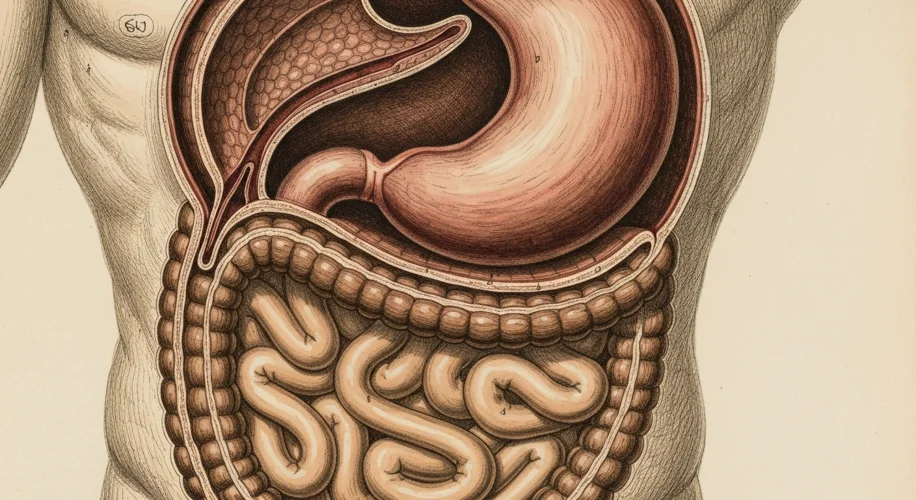
The notion of an ostomy – a surgical procedure to create an artificial opening in the body, typically for the elimination of waste – is a modern medical concept. However, the historical basis for this specific rumor likely stems from a confluence of factors. Firstly, Napoleon suffered from severe stomach ailments throughout his life. These were often exacerbated by the stresses of war and his rigorous lifestyle. His reported symptoms on Saint Helena – abdominal discomfort, pain, and general malaise – could be interpreted, through a modern medical lens, as indicative of serious digestive or intestinal issues.
Secondly, Napoleon’s physical appearance in his final years was a subject of much commentary. Accounts describe him as gaunt, pale, and increasingly frail. The very idea of a prominent figure like Napoleon, who had cultivated an image of robust health and almost superhuman endurance, suffering from a visible or debilitating condition, would have been deeply unsettling to many.
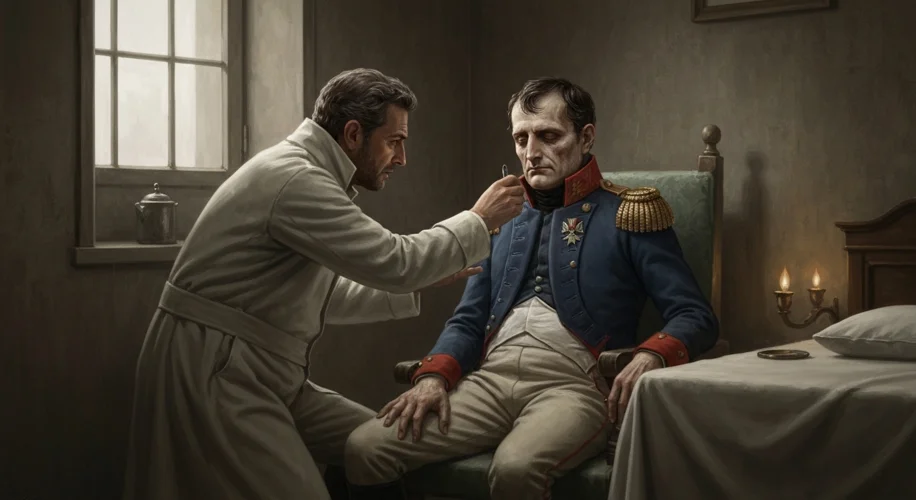
Crucially, the meticulous post-mortem examination conducted by Dr. Antommarchi and others provided fodder for speculation. While the official cause of death was stomach cancer, a diagnosis that has itself been debated and re-examined over the years, any unusual findings or observations during the autopsy could have been misinterpreted or sensationalized. The absence of a definitive, easily comprehensible explanation for his prolonged suffering and eventual death on such a remote outpost naturally invited speculation.
The idea of an ostomy, while anachronistic, might have arisen as a crude attempt to explain the Emperor’s wasting away and the profound impact of his illness. It’s possible that vague descriptions of internal discomfort or abdominal distension were sensationalized into more dramatic, albeit medically unfounded, explanations.
Debunking the Myth: The Historical Reality
From a modern medical and historical perspective, the ostomy rumor lacks any credible foundation. There is no evidence in contemporary accounts, medical records, or later analyses to suggest that Napoleon ever underwent such a procedure. The medical understanding and surgical capabilities of the early 19th century, while advancing, were not at a stage where an ostomy would have been a common or readily available treatment for his reported conditions, especially not without any clear documentation.
Furthermore, the prevailing theories regarding Napoleon’s death, primarily stomach cancer, are supported by more substantial evidence. While the exact cause and contributing factors remain a subject of historical and scientific debate, the narrative of a man succumbing to a progressive and ultimately fatal illness aligns with the available historical data.
The Enduring Power of Rumor
So, why does this particular rumor persist? The allure of Napoleon’s life and death is undeniable. His story is one of meteoric rise, unparalleled power, and dramatic fall. In the absence of clear, unambiguous answers, the human mind often fills the void with speculation, crafting narratives that attempt to explain the inexplicable. The ostomy rumor, while unfounded, taps into this desire to find a tangible, perhaps even shocking, explanation for the decline of a figure who seemed larger than life.
It’s a testament to the enduring mystique of Napoleon Bonaparte. Even in his physical frailty and ultimate demise, he continues to command attention, sparking debate and fueling our fascination with the human condition, even when wrapped in the outlandish guise of a persistent, albeit baseless, medical rumor.
Ultimately, the story of Napoleon’s health on Saint Helena is a poignant reminder that even the most powerful figures are subject to the ravages of time and illness. The rumors that surround them, however, often speak more about our own need for explanation and our fascination with the extraordinary than about the historical reality itself.