
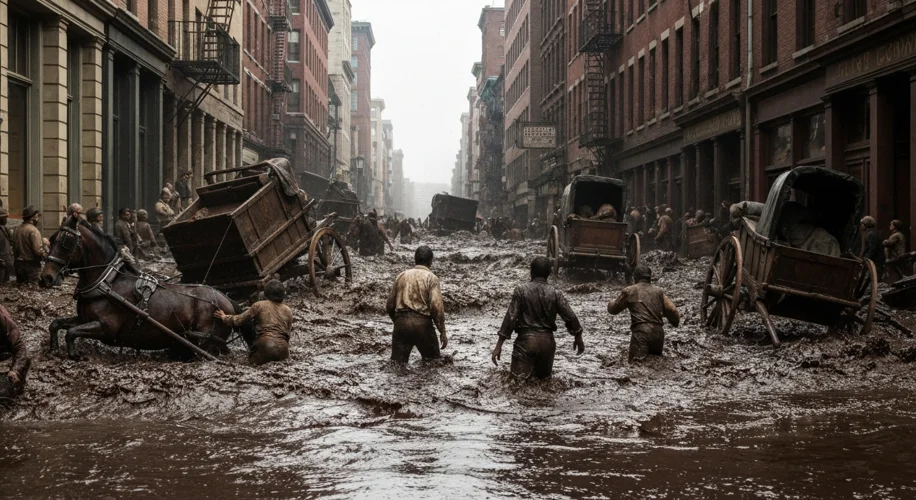
The air in Boston’s North End on January 15, 1919, was unusually warm for a January day. A sense of anticipation buzzed through the neighborhood, a mixture of relief that the day’s work was nearing its end and the quiet hum of everyday life.
But this particular afternoon was to be etched into the city’s memory with a syrupy, dark stain. At approximately 12:30 PM, a colossal, poorly constructed storage tank owned by the Purity Distilling Company, located at 529 Commercial Street, catastrophically failed. It held an estimated 2.3 million gallons of molasses, a sticky, viscous sweetener essential for the production of rum and industrial alcohol.
The rupture was not a gentle sigh, but a thunderous roar that echoed through the narrow streets. A wave of molasses, reportedly moving at 35 miles per hour and towering 25 feet high, surged through the neighborhood. It was a tsunami of sugar, a dark, suffocating tide that swept away everything in its path.
Buildings were crushed, their foundations ripped apart. Horse-drawn wagons were overturned, their occupants trapped. People, caught unawares, were engulfed, their screams drowned out by the horrifying rush of the viscous liquid. The sheer force of the wave was immense, capable of ripping metal structures from their moorings and carrying them along like flotsam.
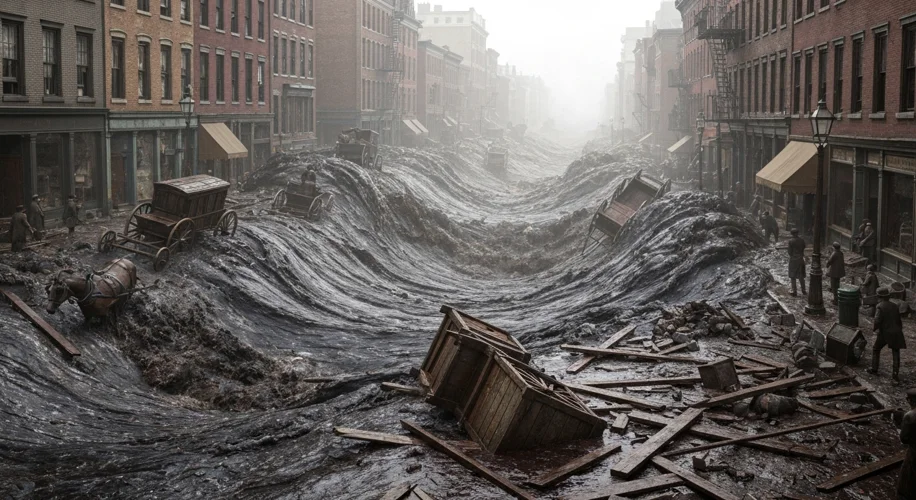
Survivors described a nightmarish scene. Those caught in the initial surge were either crushed by debris or suffocated by the thick, suffocating syrup. The molasses, warm from the molasses fermentation process and the unseasonably mild weather, clung to everything, making escape nearly impossible. Many struggled to breathe, their airways clogged by the sweet, sticky substance. The smell of molasses, usually a pleasant aroma associated with baking and confectionery, became a sickening, cloying stench of death.
Rescue efforts were immediate but incredibly difficult. Firefighters, police officers, and civilians rushed to the scene, wading through knee-deep molasses to pull victims from the wreckage. The sticky nature of the substance hampered their efforts, making each movement an arduous task. The cold weather, which arrived later that evening, further complicated matters, causing the molasses to solidify and trap victims even more securely.
In the immediate aftermath, 21 people lost their lives, and approximately 150 were injured. The economic toll was also significant, with damages estimated to be in the millions of dollars in today’s currency. Beyond the immediate devastation, the disaster highlighted serious negligence and a disturbing disregard for public safety.
Investigations revealed that the tank had been poorly constructed and maintained. It had a history of leaking, and residents had often collected the dripping molasses for their own use. Despite these warning signs, the company had rushed to fill the tank to meet production demands. The disaster led to one of the first major class-action lawsuits in Massachusetts, ultimately holding the Purity Distilling Company responsible for the tragedy.
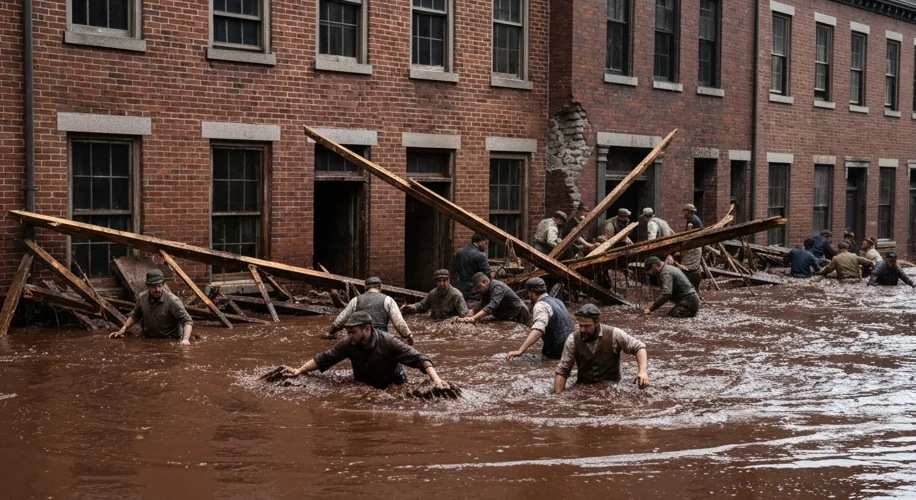
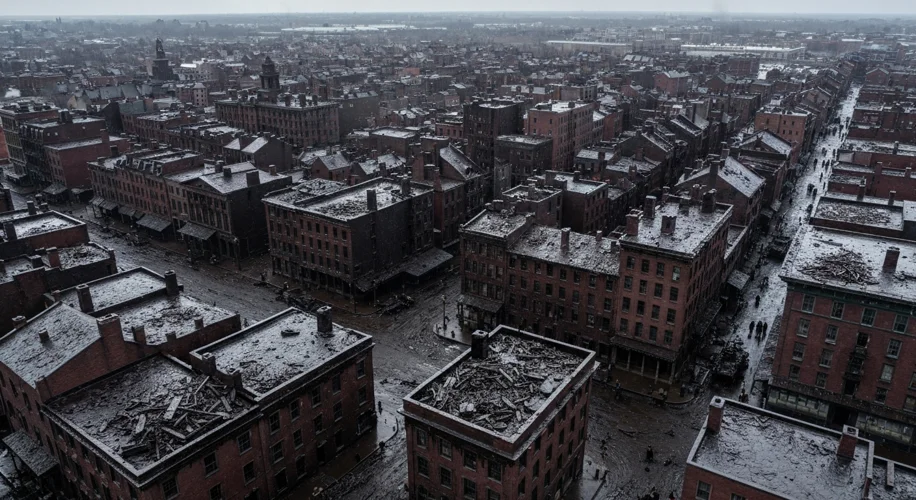
The cleanup itself was a monumental task. It took weeks, and some say months, to remove the molasses from the streets, buildings, and even the harbor. The city’s streets were eventually hosed down, but the sticky residue lingered, and the sweet smell of molasses, a macabre reminder, pervaded the North End for years.
The Great Molasses Flood serves as a stark and sticky reminder of the consequences of corporate negligence and the vital importance of robust safety regulations. It transformed a seemingly ordinary winter afternoon into a day of unimaginable horror, forever imprinting the city of Boston with the memory of its sweetest, yet deadliest, disaster.
It’s a story that often surprises people – who knew such a common substance could be so deadly? The sheer scale of the disaster, combined with its unusual nature, makes it a historical event that continues to captivate and horrify, a true testament to the unforeseen dangers that can lurk beneath the surface of everyday life.