

History is replete with tales of power, ambition, and the darker currents that flow beneath the surface of public life. Among these currents, the allegations of sexual assault against prominent figures have, at various times, erupted with seismic force, reshaping careers, sparking societal debate, and leaving indelible marks on our collective memory. These are not just individual tragedies; they are often mirrors reflecting the prevailing social norms, legal frameworks, and the often-unequal balance of power.
From the hushed drawing rooms of Victorian England to the glittering stages of Hollywood, accusations of sexual misconduct have followed figures across industries and epochs. These stories, often complex and deeply personal, rarely unfold with simple clarity. They are tangled webs of power dynamics, consent, belief, and skepticism.
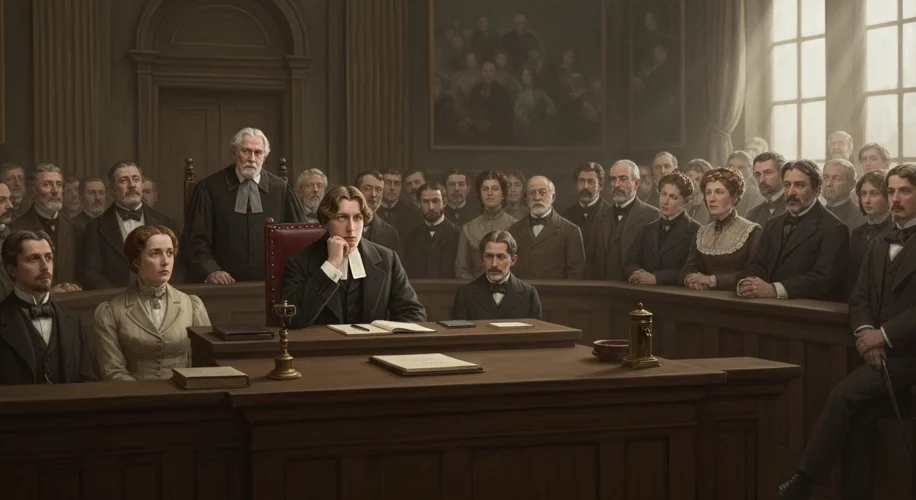
Consider the case of Oscar Wilde, the celebrated Irish playwright and poet. In 1895, he brought a libel case against the Marquess of Queensberry, whose son, Lord Alfred Douglas, was Wilde’s lover. Queensberry, in retaliation, accused Wilde of gross indecency. The ensuing trial, a spectacle of late Victorian society, laid bare the double lives many men of influence led. Wilde, once lauded, was ultimately convicted and sentenced to two years of hard labor, a devastating fall from grace that symbolized the era’s rigid moral codes and the brutal consequences for those who dared to transgress them.
As societies evolved, so too did the discourse, though often with painful slowness. The mid-20th century saw figures in various fields face accusations. The legal and societal mechanisms for addressing these claims were, and often still are, fraught with challenges. Victims frequently faced disbelief, public scrutiny, and the daunting task of navigating legal systems that were not always designed to protect them. The burden of proof, the stigma attached to victims, and the influence of powerful defendants could create nearly insurmountable obstacles.
The advent of the digital age and the rise of social media have dramatically altered the landscape. Movements like #MeToo, which gained significant traction in 2017, brought a torrent of accusations against powerful figures in entertainment, politics, and business. This wave of allegations, fueled by digital platforms, allowed for a collective sharing of experiences, amplifying voices that had previously been marginalized or silenced. Suddenly, the whispers became a roar, forcing a reckoning across industries.
One of the most prominent figures to face widespread accusations in this era was Harvey Weinstein, the once-powerful Hollywood producer. Beginning in October 2017, numerous women came forward with allegations of sexual assault and harassment spanning decades. The ensuing investigation and trial captivated the world, leading to his conviction and imprisonment. This case became a watershed moment, symbolizing the potential for accountability in an era of heightened awareness and collective action.

The impact of such allegations extends far beyond the individuals directly involved. For victims, the journey toward justice and healing is often long and arduous. For the accused, the consequences can range from professional ruin to legal sanctions. For society, these events serve as critical, albeit often painful, opportunities for introspection and change. They compel us to examine our institutions, our cultural norms, and our understanding of consent, power, and accountability.
Legal frameworks are continually tested and refined in the wake of these public reckonings. Laws are debated, policies are reviewed, and the very definition of justice is scrutinized. The challenge lies in balancing due process with the imperative to protect individuals and ensure that allegations are thoroughly and fairly investigated. The public’s role also shifts, from passive observers to active participants, demanding transparency and accountability.
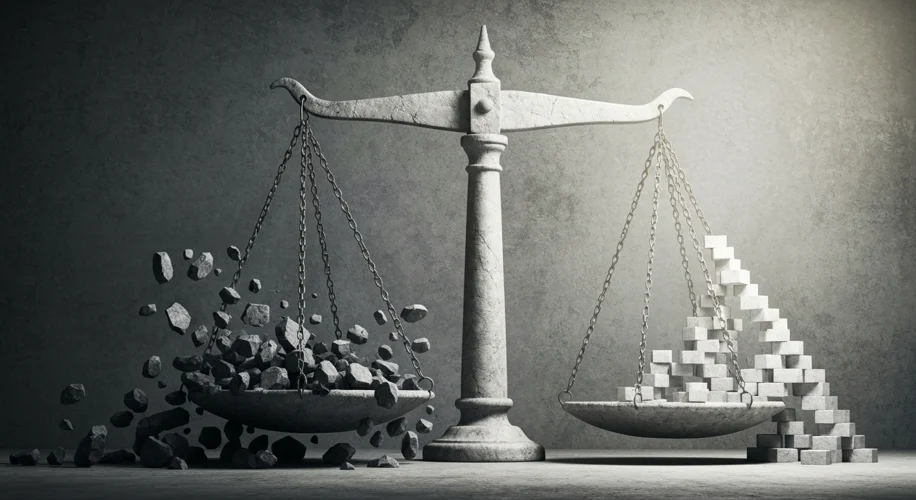
Ultimately, the history of sexual assault allegations in the public eye is a story of enduring struggle. It is a narrative of courage from those who speak out, resilience in the face of adversity, and the ongoing, complex societal effort to create a world where power does not equate to impunity, and where justice is accessible to all, regardless of status or influence. These echoes of accusation continue to resonate, reminding us that the pursuit of truth and accountability is a constant, evolving endeavor.