

The courtroom, a place often perceived as a bastion of justice, can also be a stage for profound professional downfall. When those sworn to uphold the law cross its boundaries, the consequences can be swift and severe, leading to disbarment – the ultimate loss of their license to practice. This is not a new phenomenon; history is replete with instances where public figures, particularly lawyers, have faced legal and ethical repercussions that stripped them of their esteemed positions.
The Scales of Justice and the Weight of Ethics
The legal profession, by its very nature, demands a high degree of integrity, ethical conduct, and adherence to professional responsibility. Lawyers are entrusted with the confidences of clients, the administration of justice, and the upholding of the rule of law. When these principles are compromised, the foundation of public trust erodes.
One of the most infamous examples of a legal professional facing severe repercussions is that of Roy Cohn. A prominent lawyer and influential figure in American politics, Cohn was known for his aggressive tactics and his association with Senator Joseph McCarthy during the McCarthy era. However, his career unraveled due to numerous ethical violations. He was disbarred in New York in 1986 for ‘conduct involving dishonesty, fraud, deceit, or misrepresentation,’ including using his clients’ funds for personal expenses and lying to judges. His downfall served as a stark warning about the perils of unchecked ambition and the disregard for professional ethics.
The Process of Accountability
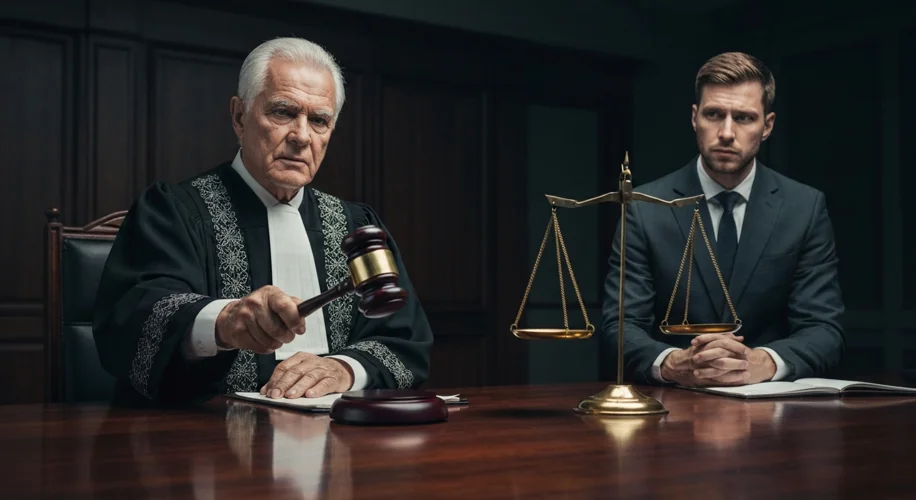
The path to disbarment is typically a rigorous one, involving investigations by state bar associations, formal charges, and a hearing process. While the specifics vary by jurisdiction, the underlying principle is to protect the public from incompetent or unethical practitioners. The process aims to ensure fairness to the accused while prioritizing the integrity of the legal profession.
Consider the case of Charles Vance Miller, a prominent Toronto lawyer and businessman in the late 19th and early 20th centuries. While not disbarred in the traditional sense, Miller was embroiled in a notorious legal battle known as the ‘Gale vs. Gale’ case. His involvement was so ethically questionable, involving accusations of manipulating evidence and misleading the court in a high-profile divorce and property dispute, that it led to a public outcry and significant damage to his reputation. Though he continued to practice, the scandal highlighted the intense scrutiny faced by legal professionals in public life.
Beyond Disbarment: Other Legal Repercussions
Disbarment is not the only legal consequence. Professionals can also face criminal charges, civil lawsuits, and severe professional sanctions short of disbarment. The pursuit of justice for victims and the need for accountability can extend far beyond the disciplinary actions of a bar association.
In the United States, the Teapot Dome scandal of the 1920s, while primarily involving government officials, also saw legal professionals implicated. Albert B. Fall, the Secretary of the Interior, was convicted of bribery. Though not a lawyer himself, the legal counsel involved in facilitating these corrupt deals also faced scrutiny and potential professional repercussions, demonstrating how the pursuit of ill-gotten gains can ensnare individuals across different professional spheres.
The Ethical Tightrope
The common thread in these historical instances is the delicate balance between professional ambition and ethical responsibility. Public figures, particularly those in the legal field, operate under a microscope. Their actions, whether in their professional capacity or personal lives, can have far-reaching consequences for their careers and the public’s perception of their profession.
The disbarment or censure of a lawyer is not merely a personal tragedy; it is a public event that underscores the importance of accountability. It reinforces the notion that the pursuit of justice and the upholding of the law are not abstract ideals but concrete obligations that demand unwavering integrity. The echoes of these historical reckonings continue to remind us that even the most powerful individuals are subject to the scales of justice.