
The clang of steel, the scent of woodsmoke, and the guttural cries of battle – these are the sounds and smells that often define the Middle Ages in our imagination. But beneath the veneer of knights and castles, life pulsed with simpler, more familiar rhythms. And for many, that rhythm included the loyal bark of a dog. Forget the pampered lapdogs of today; medieval dogs were workhorses, protectors, and esteemed members of the household, their lives dictated by the needs of their owners and the strictures of the age.
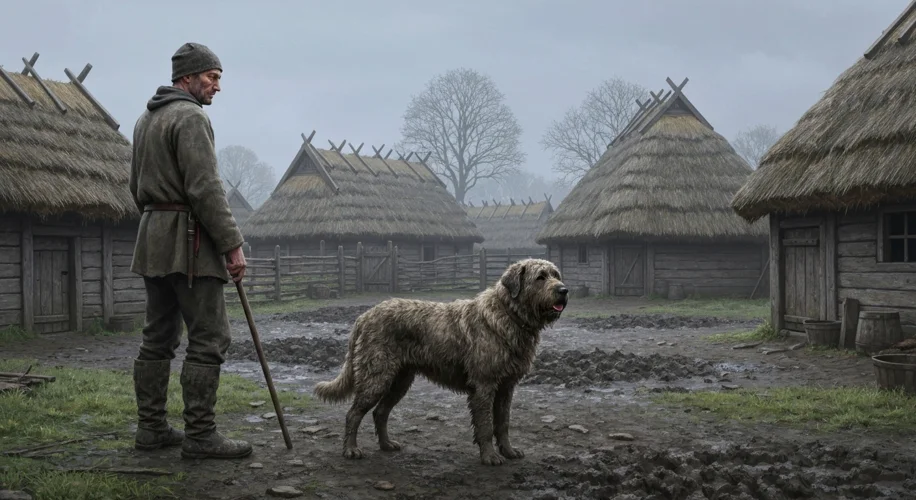
In the sprawling tapestry of medieval society, dog ownership wasn’t a luxury; it was often a necessity. From the humblest peasant to the loftiest noble, dogs served vital roles. For the peasant farmer, a sturdy cur was indispensable. These weren’t delicate breeds, but hardy, often mongrel dogs, tasked with herding livestock, guarding the meager farmstead from predators, and perhaps even assisting in the hunt for small game that supplemented their owners’ diets.
Imagine a cold, damp morning on a smallholding. The farmer, wrapped in rough woolens, stirs. His dog, a shaggy, alert creature with keen eyes, is already by the door, a low growl rumbling in its chest, sensing the approach of a fox. This dog is not merely a pet; it is a vigilant guardian, a partner in the daily struggle for survival.
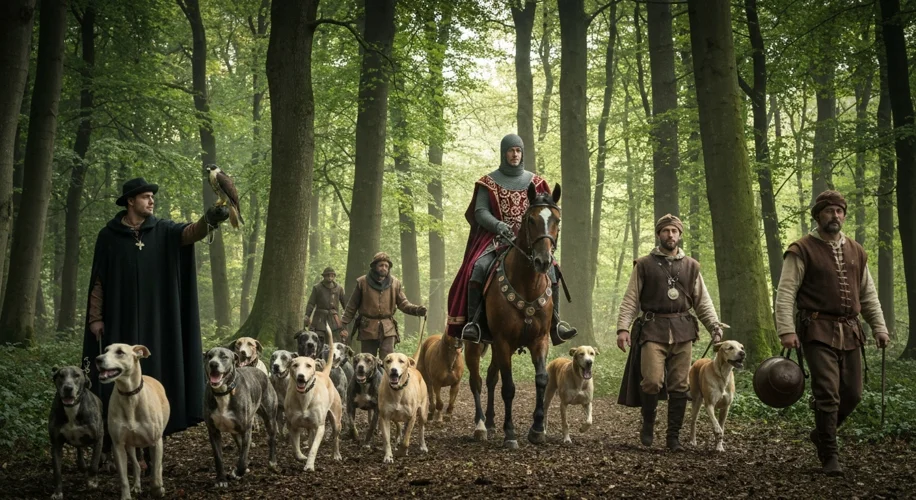
For the nobility, dog ownership took on a more specialized and often elaborate form. Hunting was not just a sport; it was a crucial skill for warfare, a way to procure food, and a demonstration of status. Packs of hounds, meticulously bred and trained, were essential for pursuing game as varied as deer, boar, and even wolves. These weren’t just dogs; they were aristocratic tools, their lineage as important as that of their masters. Different breeds were prized for specific hunting styles: swift greyhounds for open fields, powerful mastiffs for bringing down larger game, and keen-nosed scent hounds for tracking.
The acquisition of such dogs was often a significant undertaking. Puppies might be gifts exchanged between lords, tokens of alliance or favor. For those less fortunate, acquiring a dog might mean finding a stray, breeding their existing animal, or, in some cases, purchasing one from a specialized breeder or market. The process was far from the casual trip to a pet store we know today.
Care for these animals varied dramatically with social standing. While a peasant might offer scraps and the occasional bone, a noble household would have dedicated kennels and servants, known as