
The hum of engines, the distant glint of metal wings against the blue—it’s a familiar sight, a testament to humanity’s mastery of the skies. But behind the seemingly effortless ballet of modern aviation lies an invisible, intricate dance, orchestrated by a force that has evolved alongside the very machines it guides: Air Traffic Control (ATC).
Imagine a world before radar screens flickered with blips, before radios crackled with instructions. In the nascent days of flight, a pilot’s life was a gamble. Each takeoff was an act of faith, navigation relying on visual landmarks, compasses, and sheer daring. Crashes were tragically frequent, the sky a wild frontier largely untamed. As aircraft became faster and more numerous, the chaos threatened to ground the very dream of flight.
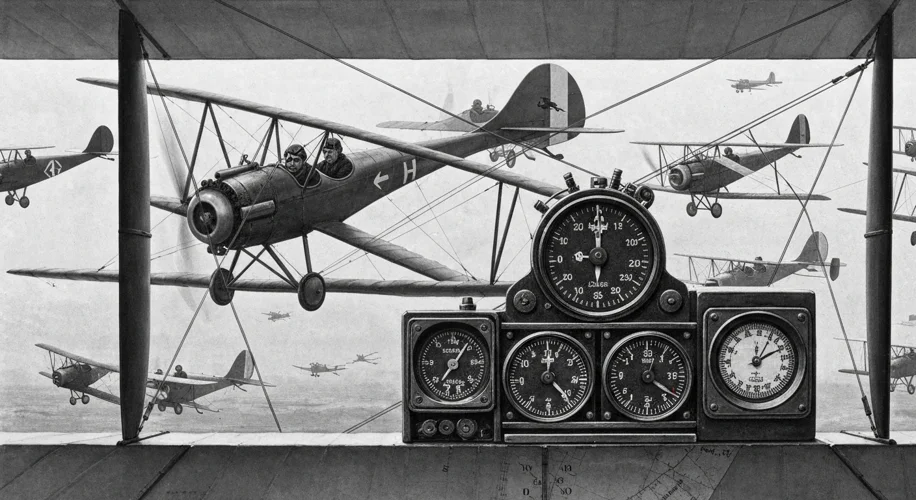
The seeds of order were sown in the interwar period. The first rudimentary forms of air traffic control emerged not from grand, unified plans, but from necessity. In 1920, the U.S. government established the first federal airways, marking territory from the ground with lights and beacons. Pilots flying between these points had to report their positions by radio, a simple but vital step towards centralized oversight. However, this was largely a voluntary system, a gentleman’s agreement amongst aviators.
The real turning point, however, was the Second World War. The rapid advancement of radar technology, initially developed for military defense, offered a revolutionary new eye in the sky. Suddenly, controllers could ‘see’ aircraft without direct visual contact, through clouds, fog, and at night. This technological leap was crucial, but it was the post-war boom in commercial aviation that truly cemented the need for a robust and sophisticated ATC system.
By the late 1940s and early 1950s, the skies were becoming crowded. The number of flights, both commercial and military, was exploding. The fragmented, often manual systems of the past were no longer sufficient. The U.S. Civil Aeronautics Administration (later the FAA) began consolidating air traffic control under a single, national umbrella. The dream was to create a seamless flow of air traffic, from the moment a plane left its gate until it safely returned.
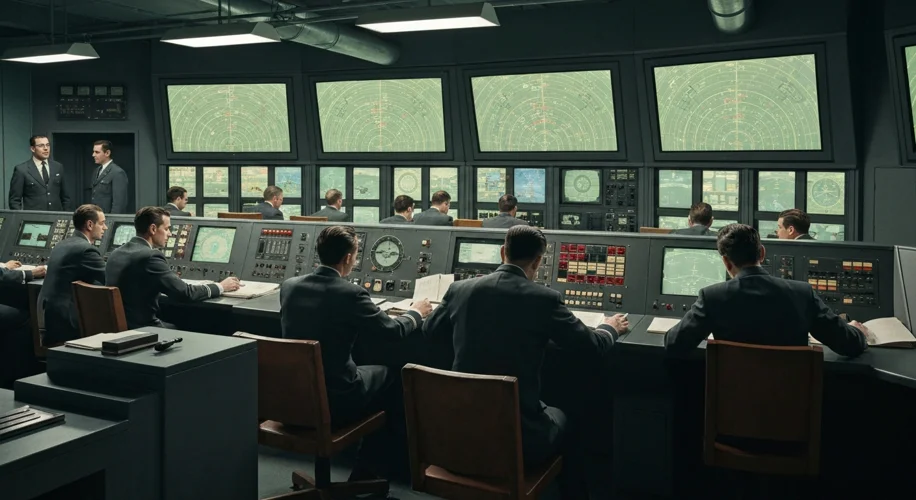
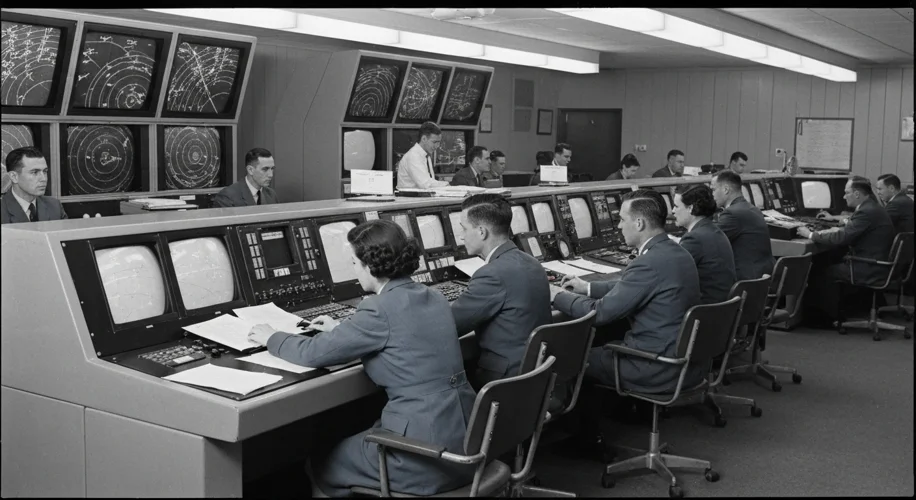
This era saw the development of sophisticated radar systems, enhanced radio communication, and the establishment of Air Route Traffic Control Centers (ARTCCs) – the large, regional hubs where controllers manage aircraft en route. Imagine thousands of square miles of airspace, meticulously divided into sectors, each overseen by dedicated controllers. Their job was not just to prevent mid-air collisions, but to ensure efficient flight paths, manage takeoffs and landings, and respond to emergencies.
The challenges were immense. Controllers had to contend with varying aircraft speeds, altitudes, and pilot experience. The introduction of jet airliners, capable of much higher speeds and altitudes, added another layer of complexity. The stakes were incredibly high; a single misjudgment could lead to catastrophic consequences.
One of the most significant advancements came with the implementation of the Federal Aviation Administration’s (FAA) National Airspace System (NAS) in the 1960s and 70s. This massive undertaking aimed to modernize and automate many aspects of air traffic control, introducing more advanced computer systems and data processing capabilities. The goal was to create a more precise, efficient, and safer airspace.
However, the human element remained, and continues to remain, at the heart of ATC. While technology provides the tools, it is the skilled controller, with their ability to assess complex situations, make split-second decisions, and communicate clearly, who is the true architect of safety. The training is rigorous, demanding intense focus, problem-solving skills, and an unwavering commitment to safety.
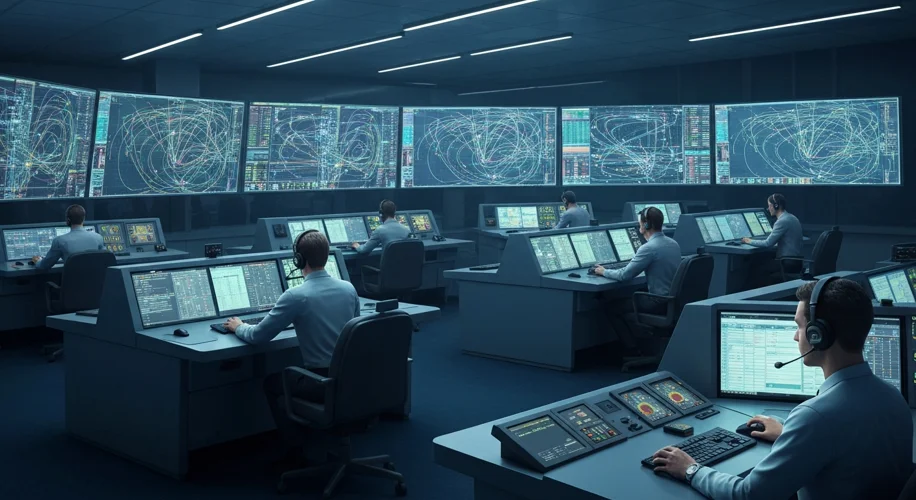
The evolution of ATC is an ongoing saga. From the visual flight rules of the early days to the complex, radar-driven, and increasingly automated systems of today, the journey has been one of constant innovation driven by the relentless pursuit of safety. Technologies like satellite-based navigation (GPS), advanced automation systems, and the upcoming Next Generation Air Transportation System (NextGen) continue to push the boundaries, aiming for even greater efficiency and capacity.
Air traffic control is the silent guardian of our skies, the unseen architects who ensure that when we look up, we see not chaos, but a symphony of managed flight. It is a testament to human ingenuity and a vital component of the global interconnectedness we so often take for granted.