
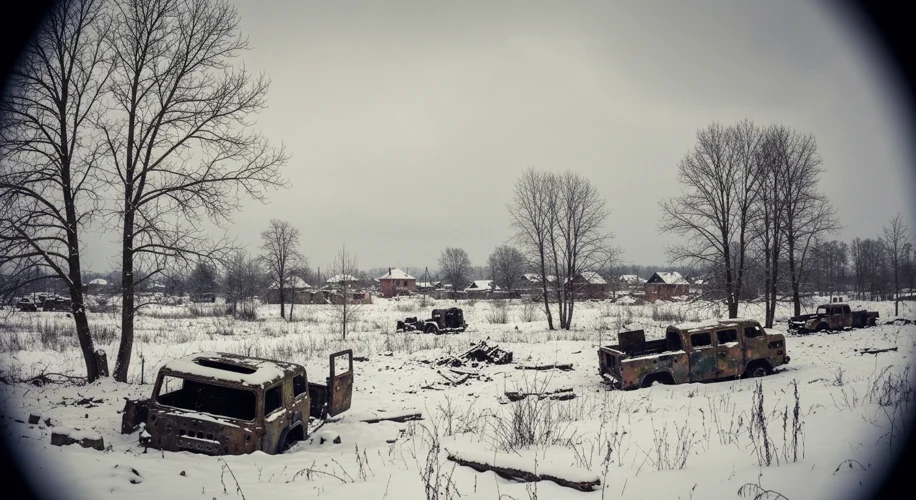
The vast, fertile plains of Ukraine, a breadbasket for Europe, became a brutal crucible during World War II. From the scorched earth of a desperate Soviet retreat to the iron grip of Nazi occupation, and finally to the devastating reconquest, Ukraine’s story is one of unimaginable suffering and unyielding resilience.
The initial Shock: Operation Barbarossa’s Fury
On June 22, 1941, the unthinkable happened. The Molotov-Ribbentrop Pact, a veneer of friendship between the Soviet Union and Nazi Germany, shattered as Operation Barbarossa, the largest land invasion in history, was launched. For Ukraine, a Soviet republic since the 1920s, this meant being at the very tip of the spear. The Red Army, caught by surprise and hampered by Stalin’s purges, reeled. Cities like Kyiv and Kharkiv, once vibrant centers of Soviet life, became scenes of chaos and destruction.
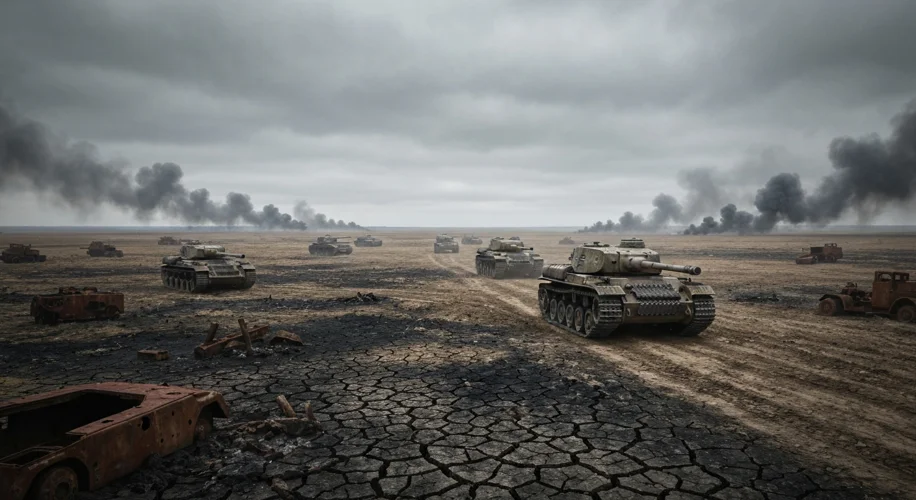
Imagine the scene: columns of German tanks, symbols of an unstoppable Blitzkrieg, rolling across the flat Ukrainian landscape, followed by legions of infantry. Soviet soldiers, often poorly equipped and with little direction, fought with a ferocity born of desperation. But the sheer scale of the German assault was overwhelming. By late 1941, much of Ukraine was under Nazi control.
The Years of Occupation: A Land Under Siege
The Nazi occupation was a period of unmitigated horror. Ukraine, envisioned by Hitler as ‘Lebensraum’ (living space) for Germans and a source of slave labor and resources, suffered under a brutal regime. The infamous Generalplan Ost outlined a systematic plan of ethnic cleansing, enslavement, and extermination. Millions of Ukrainians were deported to Germany as ‘Ostarbeiter,’ their lives reduced to back-breaking labor. Jewish populations, numbering in the millions, were systematically murdered in mass executions, most notably at Babi Yar in Kyiv, where over 33,000 Jews and other minorities were slaughtered in just two days in September 1941.
Life under the swastika was a constant struggle for survival. Food was scarce, and any act of resistance was met with swift and merciless retribution. Families were torn apart, communities shattered. The vibrant cultural life of Ukraine was suppressed, replaced by the iron fist of Nazi ideology.
The Seeds of Resistance: Partisans in the Forests
Yet, even in the darkest hours, the spirit of resistance flickered. Across Ukraine’s vast forests and countryside, partisan movements sprang up. These were not just organized armies; they were ordinary men and women – farmers, students, former soldiers – driven by a fierce love for their homeland. They sabotaged German supply lines, ambushed patrols, and conducted daring raids, becoming a constant thorn in the side of the occupying forces.
The Ukrainian Insurgent Army (UPA), though complex and controversial in its history, emerged as a significant force, fighting both the Nazis and, at times, the Soviets. Their actions, while often brutal, demonstrated an unwavering desire for an independent Ukraine.
The Tide Turns: The Red Army’s Relentless Advance
As the war on the Eastern Front ground on, the tide began to turn. The brutal Russian winter, the scorched-earth tactics of the retreating Soviets, and the sheer resilience of the Red Army began to wear down the Wehrmacht. The Battle of Kursk in 1943 marked a decisive turning point, shattering German offensive capabilities.
Starting in late 1943, the Red Army began its slow, arduous, and bloody reconquest of Ukrainian territories. Cities that had endured years of occupation were liberated, but often at a terrible cost. The fighting was ferocious, with both sides throwing immense resources into the fray. The liberation of Kyiv in November 1943, for example, was a hard-fought victory, with street-to-street combat and immense casualties.
The Aftermath: A Land Scarred, A People Broken
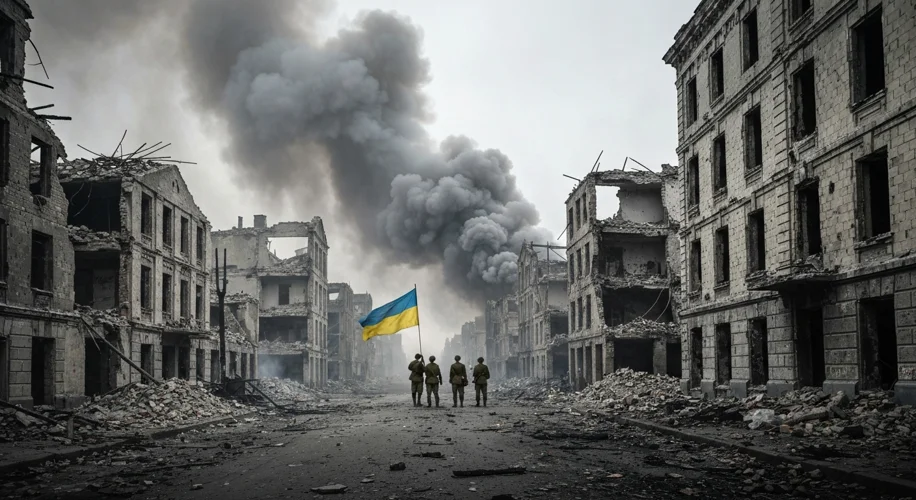
By the end of 1944, Ukraine was largely liberated from Nazi control. But the victory was hollow. The human cost was staggering. An estimated 7 million Ukrainians, a significant portion of the pre-war population, perished during the conflict – soldiers killed in action, civilians caught in the crossfire, victims of starvation, disease, and systematic extermination. Vast swathes of the country lay in ruins; cities were flattened, infrastructure destroyed, and the agricultural heartland ravaged.
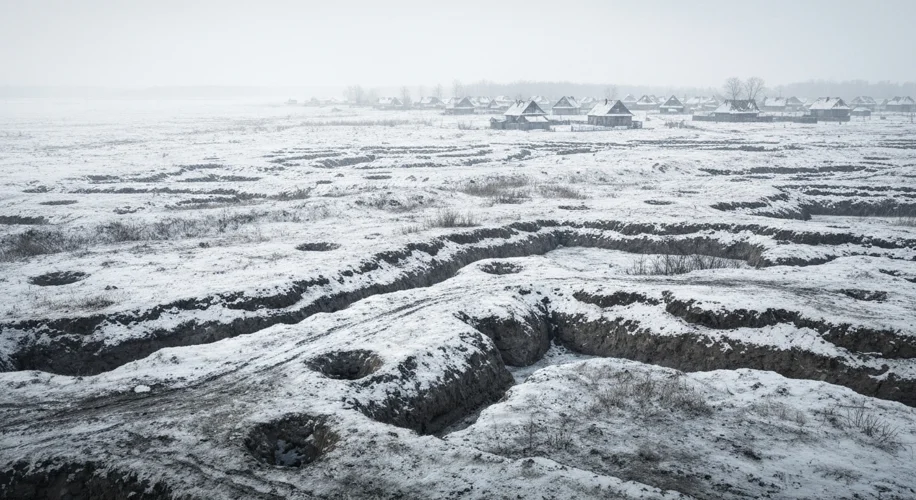
Ukraine’s experience during World War II was a testament to the devastating power of total war. It was a battle fought not just on fronts and flanks, but in the very souls of its people. The scars of occupation, resistance, and liberation would shape Ukraine’s identity for generations to come, a somber reminder of the immense human cost of ideological conflict and the enduring strength of the human spirit in the face of unimaginable adversity.
The story of Ukraine in World War II is not just a chapter of a global conflict; it is a profound saga of survival, sacrifice, and an unyielding quest for self-determination against overwhelming odds.