
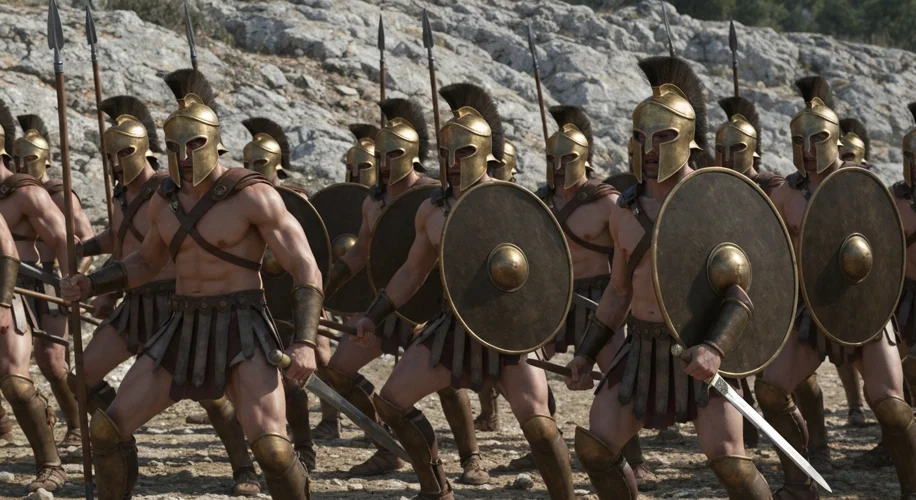
The annals of history are replete with tales of formidable warriors, figures who carved their names into legend through sheer strength and martial prowess. We picture them: Spartans, chiseled from granite, their every muscle a testament to rigorous training; gladiators, their bodies sculpted by brutal combat, embodying raw power. But how much of this iconic imagery, so prevalent in modern media, holds up to historical scrutiny? Was the reality of these ancient fighters as physically imposing as our imaginations paint them?
For centuries, the image of the ancient warrior has been amplified by art and literature, creating a potent archetype. The idealized musculature we associate with figures like Leonidas or Spartacus, and the awe-inspiring physique of a gladiator, are powerful symbols of martial virtue. These depictions, while inspiring, often blur the lines between historical fact and heroic embellishment.
Let’s journey back to ancient Greece, the cradle of the Spartan ideal. Spartan training, the agoge, was indeed legendary for its harshness. Young boys were taken from their families at age seven to undergo a brutal regimen designed to forge them into elite soldiers. This involved relentless physical conditioning, endurance tests, and constant combat drills. However, the primary objective was not necessarily to create bodybuilders, but highly disciplined, resilient, and efficient fighters. While they would have undoubtedly been lean, strong, and incredibly fit, the emphasis was on functional strength, agility, and the ability to withstand pain and hardship – not on exaggerated, aesthetically sculpted physiques.
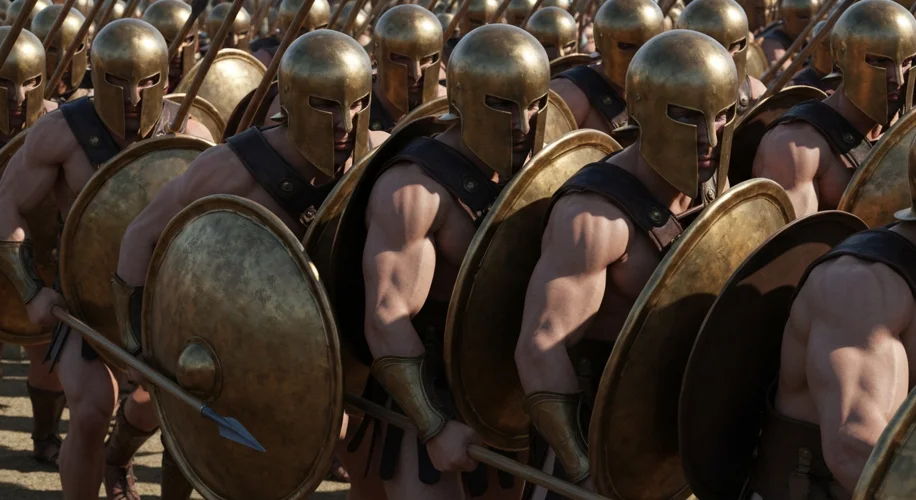
Archaeological evidence offers intriguing clues. Discoveries of ancient weaponry and armor suggest they were designed for practical use by men of considerable strength, but not necessarily the Herculean proportions often depicted. Furthermore, ancient diets, even for warriors, were often dictated by what was available and sustainable. While meat would have been part of a warrior’s diet, it was likely not as abundant or varied as modern athletes might consume. A diet rich in grains, vegetables, and occasionally fish or game would have provided sustenance and energy, but perhaps not the caloric surplus needed for extreme muscle hypertrophy.
Consider the gladiators of Rome. These combatants, drawn from slaves, prisoners of war, and even volunteers, were indeed trained for combat, and their lives depended on their physical condition. Roman historian Galen, a physician himself, provided some of the most detailed accounts of gladiator bodies. He noted that gladiators were often well-nourished, sometimes even exhibiting a layer of fat that may have served as protection against cuts. He also mentions their substantial musculature, describing them as “strong and robust.” However, even Galen’s descriptions point towards a functional, powerful build rather than the extreme, almost body-builder-like physiques seen in modern films. The diversity of gladiator types – the murmillo, retiarius, thraex, and others – also implies a variety of builds suited to different fighting styles and equipment, rather than a single, universally exaggerated ideal.
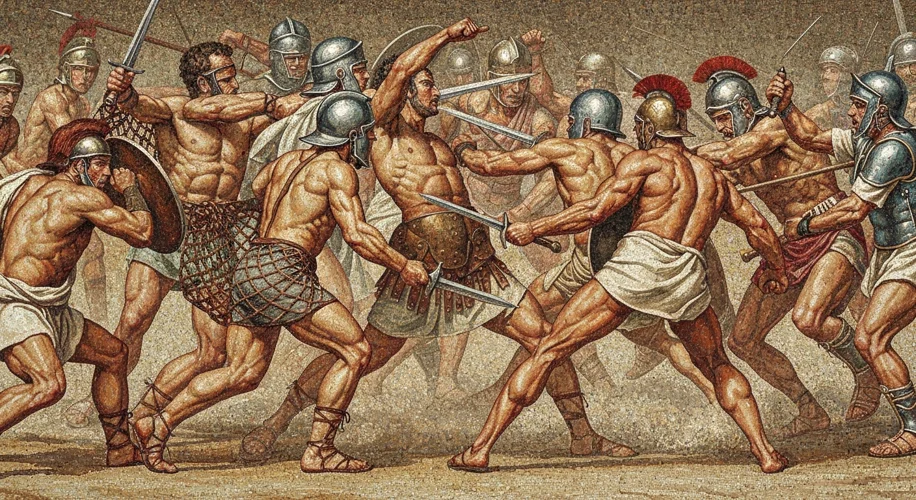
The constant training, the harsh discipline, and the life-or-death stakes of combat would have naturally led to powerful, athletic bodies. But these were the bodies of endurance athletes and skilled combatants, not modern bodybuilders. They needed to be able to march for miles, wield heavy weapons, withstand blows, and fight with sustained intensity. This requires functional strength, immense stamina, and a high pain threshold – qualities that build a lean, powerful physique, but not necessarily the inflated, highly defined musculature of contemporary aesthetic ideals.
What we see today is often a fusion of historical archetypes with modern fitness culture. The warrior of our imagination has been enhanced by the 21st-century ideal of the perfect physique, leading to a popular image that is more aspiration than historical accuracy. While ancient warriors were undoubtedly formidable, their strength was forged in the crucible of necessity, discipline, and survival, resulting in bodies built for function, resilience, and the grim realities of ancient warfare, rather than the sculpted ideals of the silver screen or the gym.
So, the next time you envision a Spartan or a gladiator, remember that their true power lay not just in their brawn, but in their unwavering discipline, their tactical brilliance, and their sheer will to survive. Their physiques were the ultimate tools for their trade, honed by a life of hardship and combat, a testament to human endurance rather than a display of sculpted perfection.