
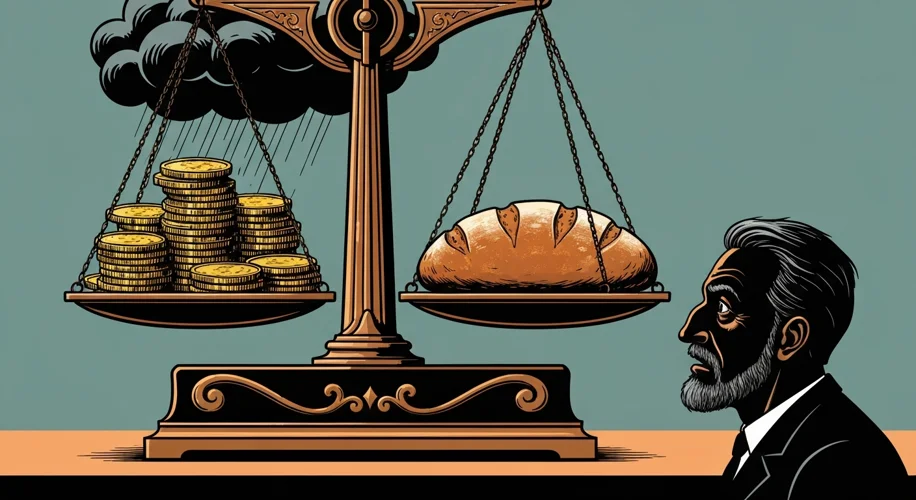
The chilling whisper of “shortage” can send a shiver down any consumer’s spine. But when that whisper is amplified by greed, turning a crisis into a payday, it ignites a deeper, more primal fear: the fear of exploitation. In the United States, this specter – the notion of price gouging – has a long and complex history, a narrative woven through economic panics, legislative battles, and the enduring human instinct to protect the vulnerable.
From the earliest days of the republic, the idea that merchants could arbitrarily inflate prices during times of hardship was met with suspicion. Even before formal laws, common law principles like “engrossing” (hoarding goods to artificially raise prices) and “forestalling” (buying goods before they reached the market to resell at a higher price) were understood as offenses. These weren’t just economic regulations; they were moral imperatives, rooted in a societal belief that essential goods should be accessible, especially when disaster struck.
One of the earliest significant legislative responses emerged during the Civil War. As the nation tore itself apart, the Confederacy, facing severe shortages of everything from medicine to food, grappled with rampant price gouging. In 1863, the Confederate Congress passed an “Act to Prevent Speculation and to Regulate Prices,” an attempt to control the spiraling costs of essential goods. While the effectiveness of this law is debated, it highlights a recurring theme: the state intervening to protect citizens from market excesses during times of extreme duress.
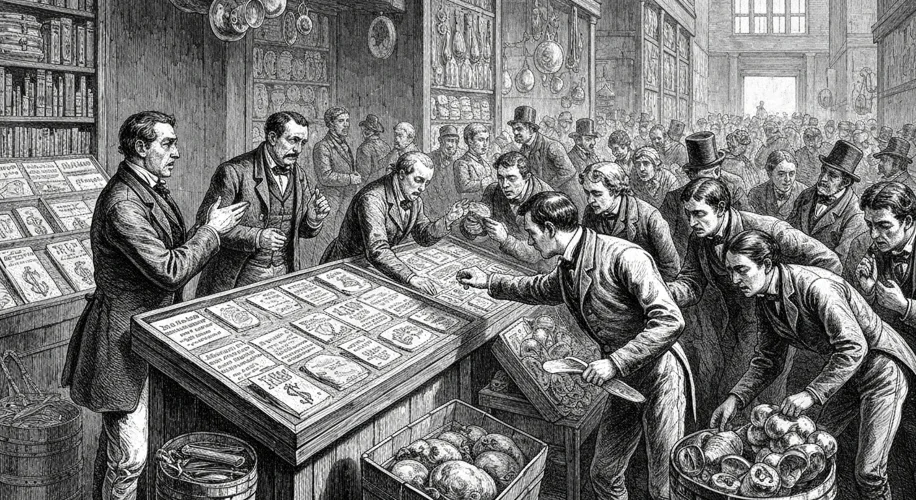
The early 20th century brought new challenges. The Great Depression, a period of widespread economic devastation, saw an explosion of predatory pricing. As families lost their homes and livelihoods, landlords and shopkeepers often sought to extract every last penny. This era saw a surge in state-level legislation. Many states enacted anti-profiteering laws, often triggered by states of emergency. These laws typically defined price gouging as an excessive increase in prices for essential goods and services, such as food, water, and shelter, during a declared emergency.
However, the definition of “excessive” proved to be a thorny issue. What constitutes a fair profit versus exploitative gouging? This question has been a constant point of contention, leading to varied interpretations and enforcement challenges across different states and time periods. Some laws focused on the percentage increase, while others looked at the disparity between the pre-disaster price and the post-disaster price.
World War II presented another unique scenario. While the U.S. government implemented broad price controls through the Office of Price Administration (OPA) to manage the wartime economy and prevent inflation, specific anti-gouging laws also remained relevant for non-controlled goods. The goal was not just to prevent profiteering but to ensure that resources were allocated efficiently for the war effort and that the home front didn’t suffer undue hardship.
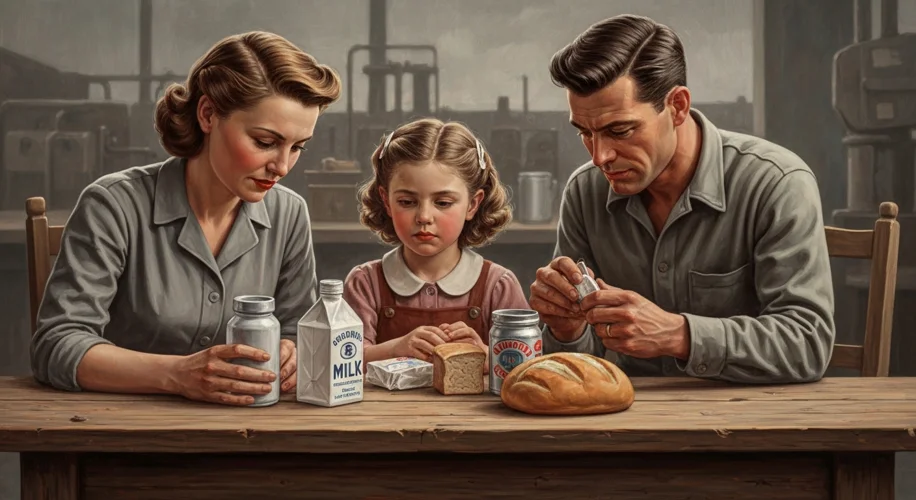
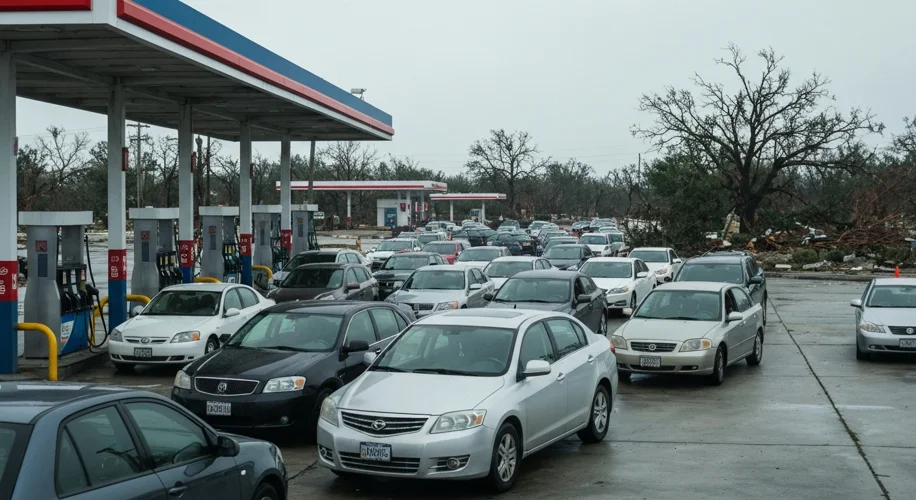
The late 20th and early 21st centuries have seen price gouging regulations become a more prominent feature of disaster response. Following major hurricanes, earthquakes, and other natural disasters, states frequently invoke their anti-gouging statutes. The Federal Trade Commission (FTC) also plays a role, educating consumers and investigating unfair or deceptive practices. Many states now have laws that specifically prohibit price gouging during declared emergencies, often covering a wide range of goods and services from gasoline and lodging to building materials and generators.
The aftermath of events like Hurricane Katrina in 2005 and Superstorm Sandy in 2012 highlighted both the necessity and the difficulty of enforcing these regulations. While many businesses acted responsibly, there were numerous reports of exorbitant prices for essentials like water, ice, and hotel rooms. This led to increased calls for stronger enforcement and clearer definitions within the laws.
The ongoing debate surrounding price gouging regulations reflects a fundamental tension in American society: the balance between free-market principles and the need for consumer protection. While proponents of deregulation argue that price increases during scarcity are a natural market signal that encourages supply, critics contend that this can lead to unacceptable levels of suffering and exploitation for those most in need. The history of price gouging laws is a testament to the latter viewpoint, reflecting a persistent societal desire to ensure that human dignity and essential needs are not sacrificed on the altar of profit, especially when disaster strikes.
As we navigate an increasingly unpredictable world, the legal framework and societal understanding of price gouging will undoubtedly continue to evolve. The lessons learned from past crises – from the Civil War to the most recent natural disasters – offer a vital roadmap for ensuring that in times of greatest vulnerability, fairness and compassion prevail over avarice.