
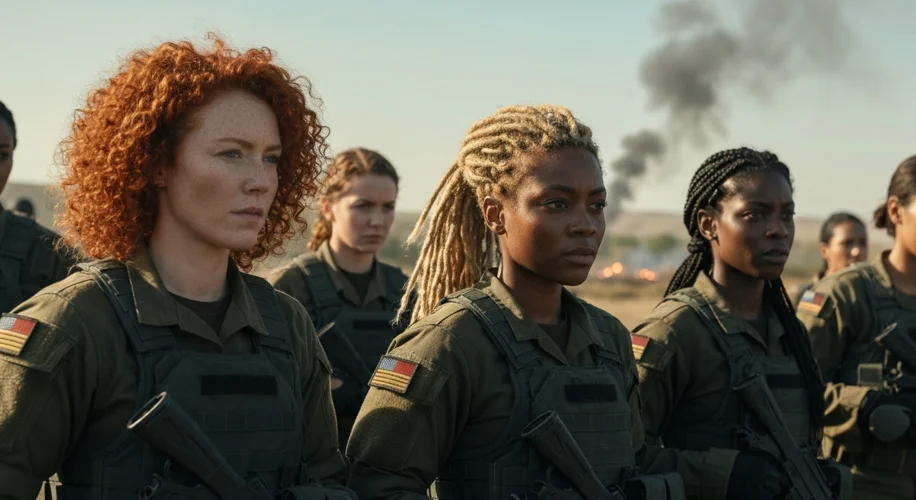
The battlefield, for centuries, was an almost exclusively male domain. The very idea of women participating in direct ground combat was not just foreign; it was often considered a biological and psychological impossibility. Yet, as history marches forward, so too does the evolution of roles, challenging deeply entrenched norms and perceptions.
For much of human history, military service was defined by physical strength, aggression, and the brutal realities of close-quarters combat. Women, by societal design and often by perceived physical limitations, were relegated to support roles: nursing, logistics, intelligence, or the home front. This division wasn’t just a matter of custom; it was often codified in law and ingrained in the cultural fabric of societies worldwide.
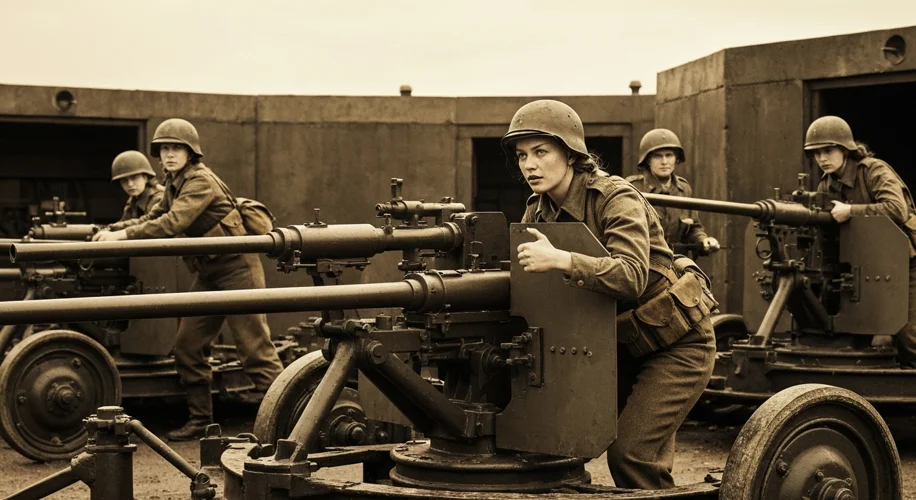
One of the earliest significant shifts began to emerge in the 20th century, particularly during the World Wars. As nations mobilized for total war, the lines of traditional gender roles began to blur out of necessity. Women stepped into factories, farms, and essential services, freeing up men for the front lines. While direct combat was still largely off-limits, women in many nations took on auxiliary roles within the military, such as pilots ferrying aircraft or operating anti-aircraft guns, inching closer to the theater of operations.
However, the real ground combat debate truly intensified in the latter half of the 20th century and into the 21st. As military organizations modernized and the nature of warfare evolved, the rigid exclusion of women from all combat roles came under increasing scrutiny. Key actors in this debate included feminist organizations, women veterans who had served in conflict zones, military leaders grappling with recruitment and retention, and social commentators.
Critics of opening combat roles often cited physical disparities, the potential impact on unit cohesion, the perceived psychological strain on male soldiers serving alongside women in high-stress environments, and the potential for sexual assault. They argued that these factors could compromise mission effectiveness and the safety of all personnel.
Proponents, on the other hand, argued that ability, not gender, should be the sole determinant of military service. They pointed to the increasing number of women serving effectively in non-traditional roles, the changing nature of warfare which often relies on intelligence, technology, and specialized skills rather than brute force, and the fundamental principle of equal opportunity. They also highlighted instances where women had already found themselves in combat situations, often unofficially, while serving in support capacities in places like Iraq and Afghanistan.
A pivotal moment arrived in the early 2010s. The United States, after years of policy reviews and public debate, made a landmark decision. In January 2013, the Department of Defense rescinded the 1994 Direct Ground Combat Definition and eliminated all remaining gender-based exclusions in military service, including those for infantry, armor, and special operations. This move was not an immediate wholesale integration but a phased approach, requiring each service branch to develop plans for opening all military occupational specialties to women.
The implementation was, and continues to be, complex. It involved rigorous physical standards, training adaptations, and cultural adjustments within units. Early pioneers, women who successfully met the demanding criteria for previously male-only roles, became trailblazers, their experiences shaping future policies and perceptions. Their successes and challenges were meticulously documented, contributing to the ongoing narrative.
Other nations have followed suit at varying paces, each navigating their own unique cultural, political, and military landscapes. The United Kingdom, Canada, Australia, and Israel are among those that have opened combat roles to women, though often with specific regulations and criteria.
The consequences of this shift are multifaceted. On one hand, it has expanded the talent pool for military recruitment, offering greater opportunities for women and fostering a more diverse and inclusive force. On the other hand, it has necessitated significant investment in infrastructure, training, and cultural change to ensure successful integration and maintain operational readiness. The debate continues, evolving from ‘if’ women can serve in combat to ‘how’ best to integrate them and ensure fairness and effectiveness for all.
The Women in Ground Combat debate is a compelling microcosm of broader societal changes, reflecting a continuous re-evaluation of gender roles, equality, and the very definition of strength and capability in the modern world. It underscores that history is not static; it is a dynamic, evolving story, constantly being reshaped by individuals and movements that dare to challenge the status quo.