
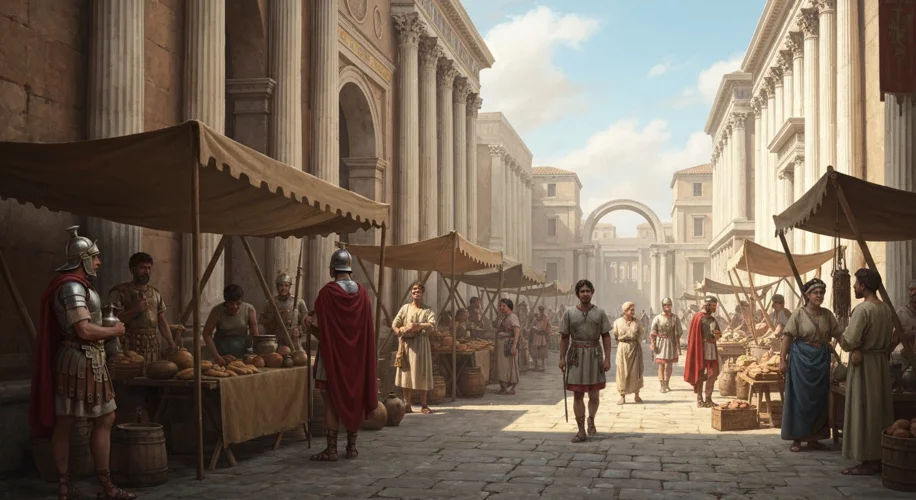
The air in Jerusalem, circa 30 CE, hummed with a potent mix of religious fervor and Roman occupation. Within this crucible, a radical new message began to spread, one that would, against all odds, conquer the mightiest empire the world had ever known. This wasn’t a conquest of legions and swords, but of words, compassion, and a divine promise that resonated deeply with the downtrodden and the seeking alike.
Our story begins not in grand cathedrals, but in dusty Galilean villages and the bustling streets of Judea. Jesus of Nazareth, a charismatic preacher, offered a radical vision of God’s kingdom – one of love, forgiveness, and a radical inclusion that challenged the rigid social and religious norms of his time. His followers, a motley crew of fishermen, tax collectors, and women, were initially a small, obscure sect. But their experience of Jesus—his teachings, his miracles, and crucially, his crucifixion and proclaimed resurrection—ignited a fire within them.
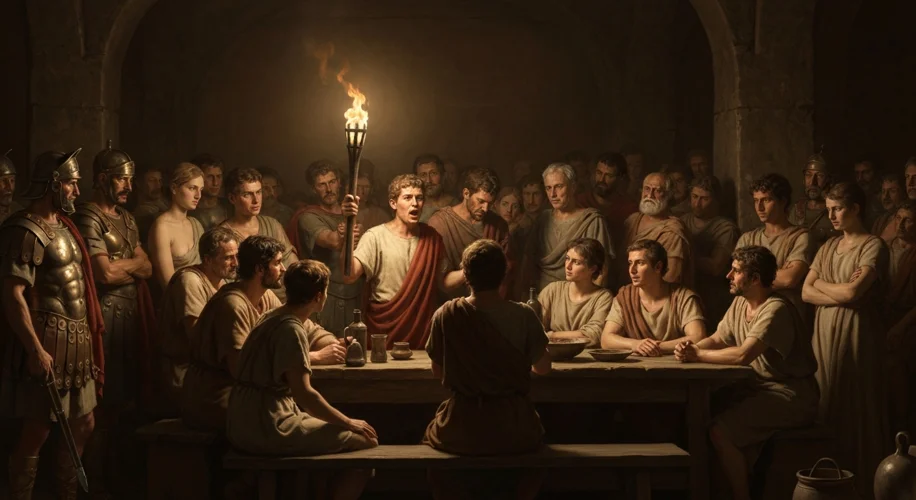
The immediate aftermath of Jesus’s ascension was marked by persecution. The fledgling movement was seen as a troublesome offshoot of Judaism, a threat to the established order. Yet, its adherents, emboldened by their faith, began to share their message. Key to this expansion was a man named Paul of Tarsus. Once a fierce persecutor of Christians, Paul underwent a dramatic conversion, transforming into one of the faith’s most fervent evangelists.
Paul’s genius lay not just in his passion, but in his strategic brilliance. He understood the Roman world, its infrastructure, and its languages. He journeyed tirelessly along the well-worn Roman roads, reaching cities like Antioch, Ephesus, Corinth, and Rome itself. He preached in synagogues and public forums, adapting his message to resonate with both Jewish and Gentile audiences. Crucially, he championed the idea that salvation through Christ was available to all, regardless of their ethnic or cultural background. This inclusive message was revolutionary.
Consider the linguistic landscape. The Roman Empire was a vast melting pot, but Greek, the language of Alexander the Great’s conquests, had become the lingua franca of the eastern Mediterranean, the very region where Christianity first took root. The New Testament was primarily written in Koine Greek, making it accessible to a significant portion of the population. As the faith spread west, Latin, the language of Rome, became increasingly important, allowing the message to penetrate further into the heart of the empire.
The Roman Empire, paradoxically, provided the very conditions that allowed Christianity to flourish. Its vast network of roads, safe sea lanes, and relative political stability facilitated travel and communication. While emperors would later persecute Christians, often viewing their refusal to worship Roman gods as treason, this persecution also, in a strange way, cemented their identity and drew attention to their cause. Stories of martyrs, facing down lions or refusing to recant their faith, became powerful testaments to their convictions.
Imagine a Roman centurion, weary from his duties, hearing about a carpenter from Nazareth whose followers spoke of unconditional love and an afterlife where social status mattered little. He might have dismissed it at first, but the persistent, often counter-cultural, behavior of these Christians—their care for the sick and poor, their refusal to engage in the common pagan rituals, their unwavering hope—began to intrigue him. What was this force that made them so steadfast, so different?
The second and third centuries saw Christianity move from a fringe movement to a significant force. It attracted people from all strata of society: slaves yearning for dignity, women seeking spiritual equality, philosophers looking for ultimate truth, and even some members of the Roman elite. The early Christian communities, characterized by their mutual support, acts of charity, and communal meals, offered a stark contrast to the often harsh realities of Roman life. They provided a sense of belonging and purpose.
By the early 4th century, Christianity had spread throughout the Roman Empire and beyond its borders, reaching as far as Persia and India. The turning point, however, came with Emperor Constantine. His conversion, whether genuine or politically motivated, led to the Edict of Milan in 313 CE, which granted religious tolerance throughout the empire. This marked the end of large-scale persecution and paved the way for Christianity to become the dominant religion.
The impact was profound. Christianity didn’t just become the religion of the Roman Empire; it reshaped its very foundations. It influenced law, art, philosophy, and social structures. The Church, with its hierarchical organization, eventually stepped into the administrative void left by the declining Roman Empire in the West, preserving elements of Roman culture and learning.
The early spread of Christianity is a testament to the power of a compelling idea, the dedication of its messengers, and the complex interplay of social, political, and cultural forces. It’s a story that reminds us that even the most powerful empires can be transformed by a single seed of faith, nurtured by human conviction and spread through the simple, yet profound, act of sharing a message of hope. This humble beginning, in a small corner of the Roman world, would ultimately redefine the course of human history.