
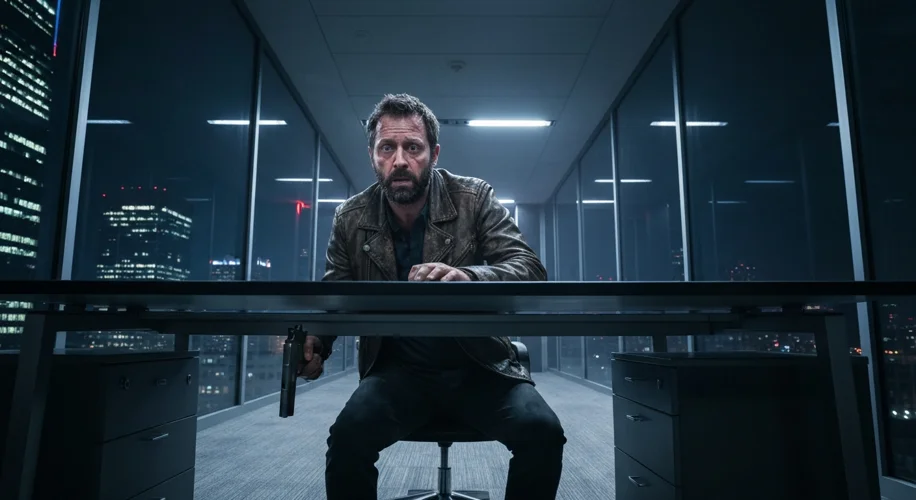
The clang of broken glass, the desperate whisper of a radio transmission, the lone hero against impossible odds – these are the visceral elements that made “Die Hard” a cinematic touchstone. Released in 1988, John McTiernan’s masterpiece plunged audiences into the heart of a modern-day siege within the sleek, imposing Nakatomi Plaza. But beyond the thrilling action and Bruce Willis’s iconic portrayal of New York cop John McClane, the film draws deeply from the wellspring of real-world events, echoing the anxieties and realities of terrorism and hostage crises that haunted the late 20th century.
The backdrop for McClane’s ordeal was Los Angeles in the late 1980s, a city synonymous with glitz, glamour, and a burgeoning sense of vulnerability. The decade had been marked by a series of high-profile terrorist attacks globally, from the Munich Olympics massacre in 1972 to the hijacking of TWA Flight 847 in 1985. These events, widely broadcast and deeply unsettling, injected a new level of fear into everyday life. The idea of ordinary people caught in extraordinary, violent circumstances was no longer just a plot device; it was a tangible possibility.
Culturally, the film tapped into a growing fascination with the ‘lone wolf’ hero – an individual thrust into a situation far beyond their official mandate, relying on grit, ingenuity, and sheer determination to prevail. This resonated with an audience that felt increasingly detached from grand geopolitical conflicts, yet deeply affected by the localized, unpredictable nature of terrorism. The terrorists in “Die Hard,” led by the charismatic Hans Gruber, were not abstract ideologues but sophisticated criminals with clear, albeit ruthless, objectives – in this case, a massive theft masked as a political act. Their precision, technological sophistication, and willingness to take hostages contrasted sharply with the often-chaotic reality of early counter-terrorism responses.
John McClane, however, was the antithesis of the highly trained, special-ops operative. He was a divorced cop, out of his element, literally barefoot and unarmed, fighting an enemy that had meticulously planned its assault. His everyman quality, his vulnerability, and his reliance on wit and sheer stubbornness made him relatable. The film masterfully played on different perspectives: the terrorists’ cold calculation, the FBI’s often heavy-handed and bureaucratic approach, the LAPD’s frantic attempts to contain the situation, and ultimately, McClane’s desperate, solitary struggle from within the belly of the beast.
The events themselves unfolded with relentless tension. On Christmas Eve, Gruber and his heavily armed team, posing as political terrorists, stormed the Nakatomi Plaza during the company’s holiday party. Their swift and brutal takeover, securing the building and taking hostages, including McClane’s estranged wife Holly, set the stage for a desperate cat-and-mouse game. McClane, having slipped through the initial sweep, became the only impediment to Gruber’s plan. His actions – disabling systems, taking out terrorists one by one, and communicating sporadically with the outside world via radio – built a palpable sense of suspense. The film’s genius lay in making McClane’s small victories feel monumental and his setbacks catastrophic.
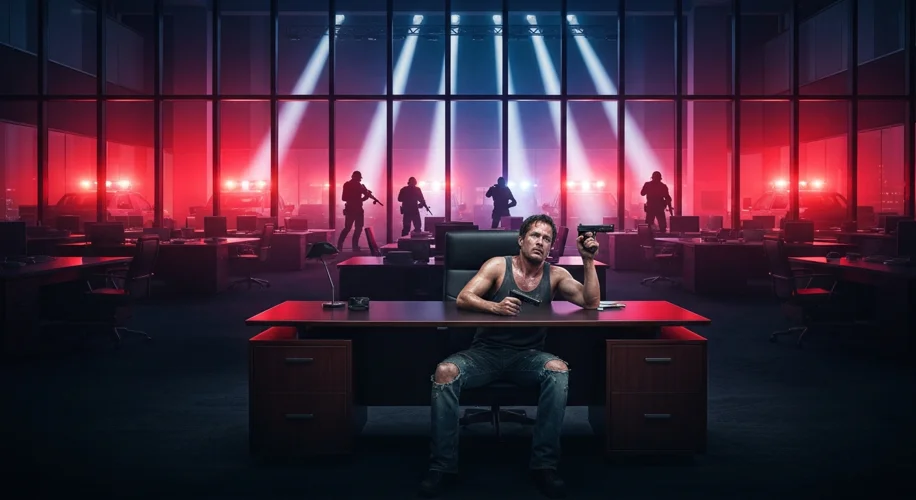
The consequences of the Nakatomi Plaza attack, though fictional, mirrored the real-world impacts of such events. The immediate aftermath saw increased security measures in corporate buildings and a heightened awareness of the potential for sophisticated attacks. The film popularized the trope of the single hero dismantling a terrorist cell from within, influencing countless action films that followed. It also highlighted the complex interplay between different law enforcement agencies and the media’s role in shaping public perception during a crisis.
“Die Hard” wasn’t just an action flick; it was a cultural mirror. It reflected a world grappling with the evolving nature of conflict, where high-rise buildings, symbols of corporate power and modernity, could become battlegrounds. The film’s enduring appeal lies not just in its explosive action, but in its relatable hero and its uncanny ability to tap into primal fears of vulnerability and the triumph of individual courage against overwhelming odds. It demonstrated that even in the face of sophisticated terror, the resourcefulness and resilience of a single, determined individual could make a world of difference, a sentiment that continues to resonate long after the credits roll.