
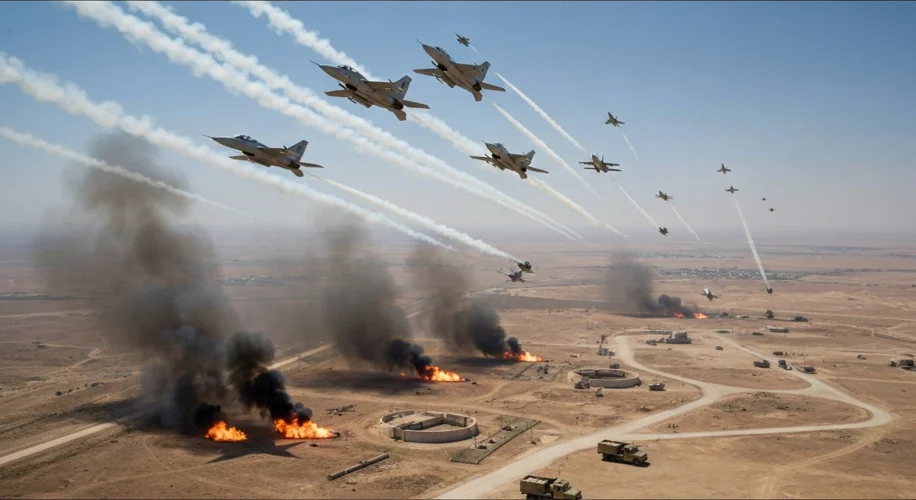
The year is 1967. Tensions in the Middle East had been simmering for years, a volatile stew of nationalism, border disputes, and deep-seated animosity. For Israel, a nation forged in the crucible of conflict and existing in a region largely hostile to its existence, the air crackled with an almost palpable sense of dread. Across its borders, Arab nations, led by Egypt, were mobilizing, their rhetoric escalating to a fever pitch. The stage was set for a confrontation that would reshape the geopolitical landscape of the Middle East in a matter of days.
A Powder Keg Ignites
The immediate prelude to war was a series of escalating events. In May 1967, Egyptian President Gamal Abdel Nasser, emboldened by Soviet intelligence (later revealed to be inaccurate) that Israel was massing troops on its Syrian border, began a relentless military buildup. He demanded the withdrawal of United Nations peacekeeping forces from the Sinai Peninsula, a move that the UN quickly complied with, effectively removing a buffer between Israel and Egypt. Then, on May 22nd, Nasser declared the Straits of Tiran, the narrow waterway controlling access to Israel’s southern port of Eilat, closed to Israeli shipping. This act was widely seen by Israel as a casus belli, a direct threat to its economic lifeline.
Meanwhile, Jordan, under King Hussein, and Syria, led by a Ba’athist regime, were also drawing closer to Egypt. A mutual defense pact was signed, solidifying an Arab front against Israel. The drums of war were beating a deafening rhythm across the region.
The Actors and Their Stakes
Israel, a young nation striving for survival and recognition, saw itself surrounded by a coalition of numerically superior Arab armies. Its leadership, including Prime Minister Levi Eshkol and Defense Minister Moshe Dayan, faced immense pressure. The Israeli Defense Forces (IDF), though smaller, were highly trained, well-equipped, and possessed a fierce determination born from the existential threat they perceived.
On the other side stood Egypt, Syria, and Jordan. Nasser was a charismatic leader who had nationalized the Suez Canal years prior and was a dominant figure in Arab nationalism. He envisioned a unified Arab world free from foreign influence, and Israel was seen as a Western-backed outpost. King Hussein of Jordan, while perhaps more cautious, was drawn into the conflict by regional pressures and a desire to reclaim territories lost in previous wars. Syria’s Ba’athist government was ideologically driven and actively supported Palestinian militant groups.
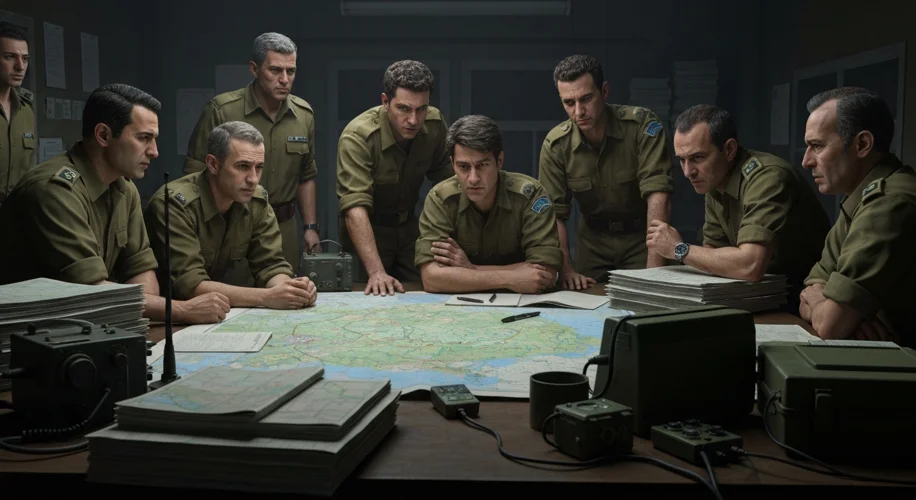
The Dawn of War: June 5, 1967
At 7:45 AM on June 5, 1967, Israel launched a preemptive strike. It was an audacious and meticulously planned operation targeting the Egyptian air force while it was still on the ground. Waves of Israeli fighter jets soared across the Mediterranean, catching Egyptian pilots by surprise. In a matter of hours, the vast majority of Egypt’s air power was annihilated. This devastating blow to Egyptian air superiority was a critical turning point, setting the tone for the entire conflict.
The war then spread to other fronts. Israeli forces, under the command of generals like Ariel Sharon and Yitzhak Rabin, engaged Jordanian forces in the West Bank and Jerusalem, and Syrian forces in the Golan Heights. The fighting was fierce and often brutal, but the strategic advantage gained by the destruction of the Egyptian air force was immense.
A Swift and Decisive Victory
The war lived up to its name, lasting just six days. In that short, intense period, Israel achieved a stunning and comprehensive victory. The IDF captured the Sinai Peninsula and the Gaza Strip from Egypt, the West Bank and East Jerusalem from Jordan, and the Golan Heights from Syria.
The military achievements were extraordinary. Israel had defeated three Arab armies simultaneously, largely due to its superior air power, sophisticated battle plans, and the sheer determination of its soldiers. The psychological impact on both sides was profound. For Israel, it was a moment of elation and vindication, a testament to its ability to defend itself against overwhelming odds. For the Arab world, it was a period of shock, humiliation, and soul-searching, a trauma that would have long-lasting repercussions.

The Echoes of Six Days
The consequences of the Six-Day War were far-reaching and continue to shape the Middle East to this day. The territorial gains by Israel fundamentally altered the conflict’s dynamics. The occupation of the West Bank and Gaza Strip created a new reality for millions of Palestinians, setting the stage for decades of conflict and struggle.
The war also led to a significant increase in Palestinian nationalism and the rise of the Palestine Liberation Organization (PLO) as a major political and militant force. For Israel, the victory brought a sense of security but also the immense burden of administering occupied territories.

Internationally, the war solidified the United States’ role as Israel’s primary ally, while the Soviet Union intensified its support for Arab nations. The geopolitical map of the Middle East was redrawn, with new lines of influence and new fault lines of conflict emerging.
The Six-Day War was more than just a military conflict; it was a seismic event that left an indelible mark on the history of the 20th century. It was a testament to the devastating power of modern warfare, the complexities of regional politics, and the enduring human struggle for land, identity, and security in a turbulent world.