The Mediterranean sun bakes the ancient stones of Cyprus, a jewel-like island with a history as rich and turbulent as the turquoise waters that surround it. Yet, beneath this picturesque surface lies a wound that has festered for decades: the Cyprus Dispute. It’s a story of ethnic strife, of broken promises, and of a geopolitical chessboard where powerful nations have played their pieces with devastating consequences for the island’s people.
For centuries, Cyprus was a crossroads, a melting pot of cultures and peoples. But the 20th century brought a bitter division. The island’s two largest communities, the Greek Cypriots and the Turkish Cypriots, found themselves on opposing sides of a growing chasm. The dream of ‘Enosis,’ or union with Greece, held sway among the Greek Cypriots, while the Turkish Cypriots, fearing marginalization, championed ‘Taksim,’ or partition. This ideological fault line was exacerbated by the colonial power, Britain, which granted independence in 1960 through the Zurich and London Agreements. These treaties, meant to ensure a balance of power, instead laid the groundwork for future conflict by creating a complex power-sharing arrangement that proved unworkable and enshrined the veto power of the minority community.
The delicate peace shattered in 1974. Following a Greek-backed coup seeking to depose President Makarios and install a government in favor of Enosis, Turkey, citing its guarantor status under the treaty, launched an invasion. What began as a limited military operation quickly escalated, leading to the de facto division of the island. The northern third became the Turkish Republic of Northern Cyprus (TRNC), recognized only by Turkey, while the southern two-thirds remained the internationally recognized Republic of Cyprus, predominantly Greek Cypriot.
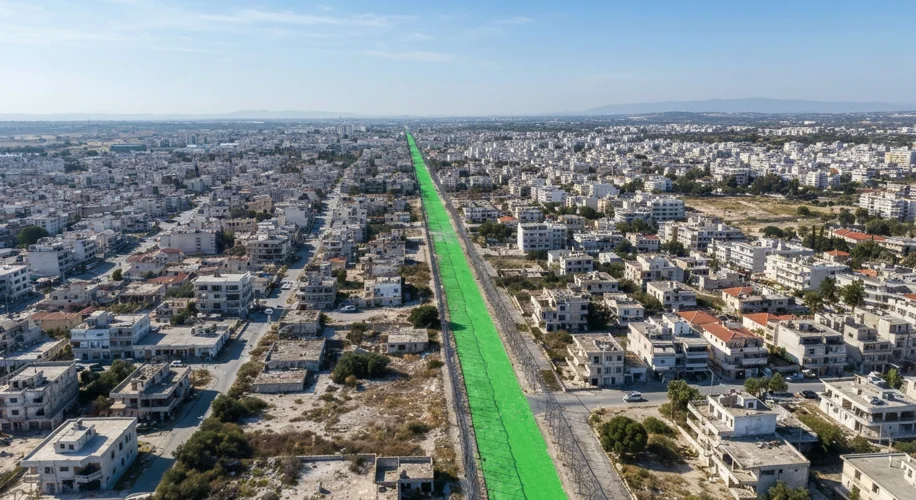
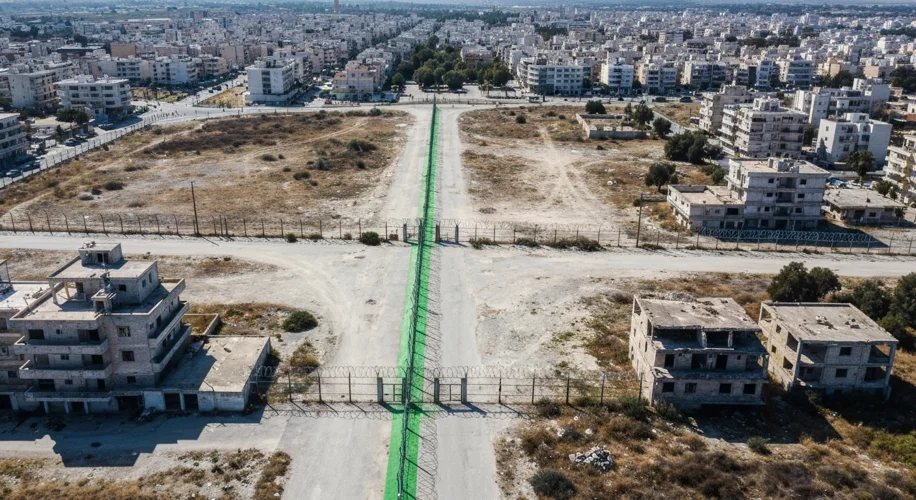
The human cost was immense. Tens of thousands of Greek Cypriots were displaced from their homes in the north, fleeing south, while thousands of Turkish Cypriots in the south were moved to the newly established TRNC. Families were torn apart, livelihoods destroyed, and a deep-seated mistrust was sown between the two communities. The UN’s buffer zone, a no-man’s-land known as the Green Line, physically embodies this painful division, a scar across the island that serves as a constant reminder of what was lost.
The dispute has had far-reaching geopolitical implications. The presence of two significant military bases, one British Sovereign Base Area at Akrotiri and Dhekelia, and Turkey’s military presence in the north, adds another layer of complexity. These bases have historically played a crucial role in regional security and intelligence gathering, making Cyprus a strategic linchpin for NATO and other international actors. The ongoing tension has also drawn in regional powers like Greece and Turkey, creating a perpetual point of friction in the Eastern Mediterranean.
Numerous attempts to reunify the island have faltered. The Annan Plan in 2004, a UN-sponsored reunification proposal, was overwhelmingly rejected by Greek Cypriots in a referendum, despite being accepted by Turkish Cypriots. The prevailing sentiment among many Greek Cypriots was that the plan did not adequately address issues of security, property rights, and the return of displaced persons. Subsequent talks, including those in Crans-Montana in 2017, have also ended in deadlock, with fundamental disagreements persisting over governance, security guarantees, and territorial adjustments.
The Cyprus Dispute is more than just a territorial squabble; it’s a human tragedy etched into the landscape of a beautiful island. It’s a stark reminder of how ethnic nationalism, external interference, and the failure of diplomacy can lead to protracted conflict, leaving generations to grapple with the consequences of division. The dream of a united, peaceful Cyprus remains elusive, a whisper on the Mediterranean breeze, waiting for the winds of reconciliation and political will to finally heal its deep wounds.