
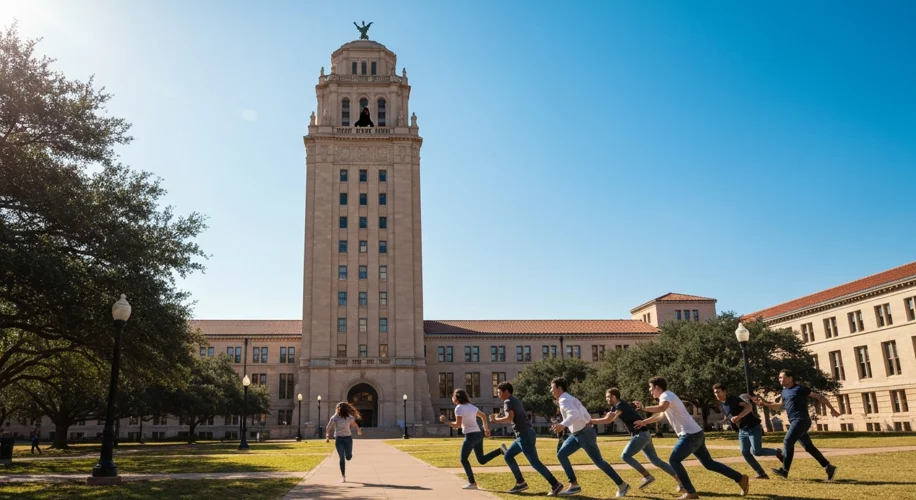
The afternoon sun of August 1, 1966, cast long shadows across the University of Texas at Austin campus. Students and faculty moved about their day, oblivious to the horror that was about to unfold. It was a Tuesday, much like any other, until a single shot rang out, shattering the idyllic normalcy.
The sound, sharp and distinct, came from above, from the observation deck of the UT Main Building’s iconic tower. This wasn’t the distant crack of thunder or a car backfiring. This was a harbinger of chaos.
What followed was a scene of unimaginable terror. For 96 minutes, a lone gunman, Charles Whitman, unleashed a fusillade of bullets from his perch 300 feet above the ground. His vantage point, offering a panoramic view of the bustling campus, became a deadly sniper’s nest. From this height, the sprawling green spaces and elegant red-brick buildings became a shooting gallery. Students seeking refuge in fountains, others scrambling for cover behind trees, and some, tragically, caught in the open, became unwitting targets.
Charles Whitman, a former Marine with a seemingly ordinary life, was the architect of this massacre. Neighbors described him as quiet, polite, even helpful. He was a student, an architectural student at UT, a husband, and a father. Yet, beneath this veneer of normalcy, a storm was brewing. In the days leading up to the attack, Whitman had exhibited increasingly erratic behavior. He had purchased a significant arsenal of weapons and ammunition, and had even visited a local gun shop, asking for advice on the best rifle for shooting targets at a distance.
Hours before the shooting, Whitman had taken his own life. In his apartment, investigators would later find a suicide note, detailing his plan and his growing, inexplicable rage. He also revealed a tumor found in his brain, a small, pea-sized glioblastoma, which some have speculated might have contributed to his violent actions. However, the medical consensus remains divided on whether this tumor was the sole cause, or if it merely exacerbated pre-existing psychological issues.
The response from law enforcement was a chaotic ballet of bravery and desperation. Trapped by Whitman’s deadly aim, officers struggled to approach the tower. Communication was difficult, and the sheer terror of the situation was palpable. Some officers, armed with only their service revolvers, made daring attempts to reach the shooter, while others coordinated to set up a perimeter.
Then, a small group of civilians, including a pregnant woman named Ramiro Martinez, a marine named Allen Crum, and a student named Paul Douglas, took matters into their own hands. Armed with pistols and rifles, they bravely ascended the tower, engaging Whitman in a desperate gun battle. Their courage, in the face of such overwhelming odds, ultimately led to the end of the massacre.
When the dust settled, the toll was devastating. 14 people were dead, including an unborn child, and over 30 were wounded. The tranquil campus was transformed into a scene of carnage, forever etched in the collective memory of the nation.
The Texas Tower shooting was a watershed moment. It was one of the first televised mass shootings, bringing the horror into living rooms across America. It forced a re-evaluation of gun control laws, campus security, and the persistent, chilling question of how an ordinary individual could become so consumed by violence.
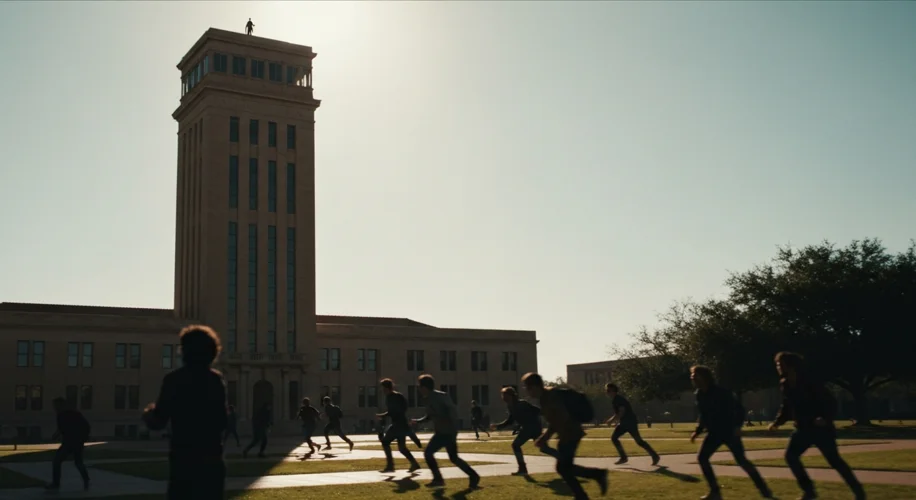
This event sent shockwaves through a nation that had, until then, largely been insulated from such acts of seemingly random, unprovoked violence. It was a stark reminder of the fragility of peace and the dark potential that can lie hidden beneath the surface of ordinary life. The echoes of those gunshots from the tower still resonate, a somber testament to a day when a sunny campus became a battleground and a symbol of American vulnerability.