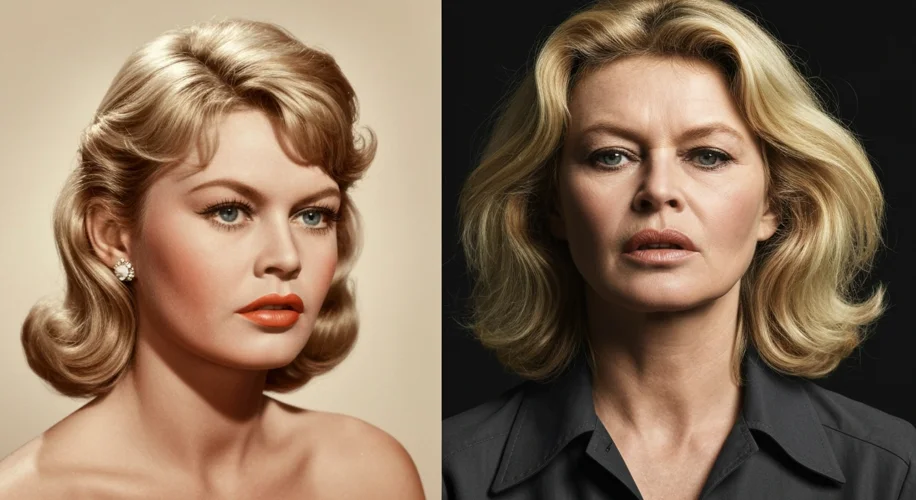
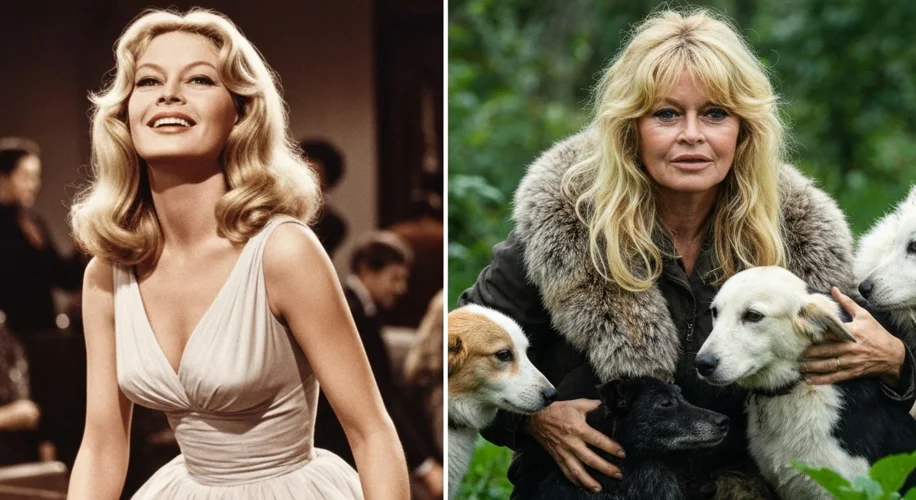
In the dazzling, often tempestuous landscape of 1950s and 1960s cinema, one name shimmered with an almost ethereal brilliance: Brigitte Bardot. More than just an actress, Bardot became a cultural phenomenon, a symbol of burgeoning sensuality and liberated femininity that captivated the world. Her journey, however, was far from a simple fairytale; it was a complex evolution from a celebrated sex symbol to a fierce and tireless advocate for animal rights.
The mid-20th century was a period of significant societal shifts. In France, the post-war era bloomed with a renewed sense of joie de vivre, and cinema was its vibrant pulse. Into this scene stepped Brigitte Bardot, a young woman whose natural beauty and uninhibited on-screen persona seemed to embody this new spirit. Born in Paris in 1934, Bardot’s early life was steeped in a bourgeois upbringing that, paradoxically, nurtured her independent streak. Her early aspirations leaned towards ballet, but fate, as it often does, had a different stage in mind.
Her film debut in 1952, Le Trou Normand (The Happy Road), was a modest affair. However, it was her role in And God Created Woman (1956), directed by Roger Vadim, that truly propelled her to international stardom. The film, controversial for its time, showcased Bardot’s raw sensuality and a carefree spirit that resonated with a generation eager to break free from post-war conservatism. Her iconic bikini scene in Manina, the Girl from the Seine (1952) had already hinted at her potential, but And God Created Woman cemented her status as a global sex symbol.

Bardot’s allure was not confined to the silver screen. Her fashion sense, from her signature blonde beehive hairstyle to her playful yet provocative outfits, set trends across the globe. She became the darling of St. Tropez, her presence synonymous with the burgeoning glamour of the French Riviera. Yet, beneath the veneer of effortless beauty and carefree living, Bardot grappled with the intense scrutiny and pressures of fame. The paparazzi were relentless, and the constant objectification often left her feeling isolated and misunderstood.
Her filmography continued to expand through the late 1950s and 1960s, with notable films like La Vérité (The Truth, 1960) and Le Mépris (Contempt, 1963). While she continued to embody a certain feminine freedom, her personal life became increasingly intertwined with her public image. The relentless media attention and the commodification of her image began to take a toll, leading her to seek refuge from the relentless spotlight.
It was in the latter half of her career, and more profoundly after her retirement from acting in 1973, that Bardot’s life took a significant turn. The woman who had once been the ultimate object of desire began to channel her energy into a cause close to her heart: the protection of animals. Witnessing the brutal realities of animal cruelty, from the fur trade to the slaughter of marine life, ignited a fierce passion within her. Her personal encounters with suffering animals, particularly during her travels, profoundly impacted her.
In 1986, she established the Brigitte Bardot Foundation, a non-profit organization dedicated to the welfare of animals. This marked a profound shift in her public life. The former cinematic icon transformed into a formidable activist, using her fame and influence to speak out against animal abuse. She famously protested against the annual seal hunt in Canada, her striking images amidst the ice and snow becoming powerful symbols of her commitment.

Bardot’s activism was often outspoken and uncompromising. She lobbied governments, participated in demonstrations, and used her platform to raise public awareness about issues such as the mistreatment of farm animals, the exotic pet trade, and the killing of whales and dolphins. Her blunt criticism of industries and practices she deemed cruel, including the foie gras industry and bullfighting, often courted controversy, but never deterred her.
Her transition from screen siren to animal rights warrior was not merely a change of career; it was a testament to a deep-seated empathy that had perhaps always been present, but was now given a powerful outlet. The same charisma and magnetism that had enthralled millions on screen were now directed towards championing the voiceless.
Brigitte Bardot’s legacy is multifaceted. She remains an enduring icon of 1950s and 60s cinema, a symbol of French glamour and a liberated feminine spirit. Yet, her later life’s work as an animal rights activist has perhaps become her most profound contribution. She demonstrated that fame, when wielded with conviction, can be a potent force for change, proving that the star who once captivated the world with her beauty had a fierce heart and a powerful voice for those who could not speak for themselves.
Her journey reminds us that icons are not static; they can evolve, surprise, and ultimately, leave an indelible mark on the world in ways no one could have predicted. Bardot’s life story is a compelling narrative of transformation, a testament to the enduring power of conscience and the courage to stand for what one believes in, no matter the cost.