Nestled in the heart of South Texas, Uvalde is a town whose history is as rich and layered as the landscape it inhabits. Its story is not merely one of settlement and growth, but a poignant tapestry woven with threads of Native American presence, Spanish exploration, Mexican heritage, and the enduring spirit of American pioneers. To understand Uvalde today, we must journey back through the mists of time, tracing the roots that have shaped its unique identity.
Long before European settlers arrived, the land that is now Uvalde was home to indigenous peoples. The Uvalde and Zavala counties were once traversed by nomadic tribes, their lives intricately connected to the natural bounty of the region—the fertile soil, the winding rivers, and the abundant wildlife. Evidence of their presence can be found in scattered archeological sites, whispers of a deep and ancient relationship with this land.
As the Spanish Empire expanded its reach northward, explorers and missionaries began to venture into what is now Texas. While direct Spanish colonization of the immediate Uvalde area was limited, their influence laid the groundwork for future settlements through the establishment of missions and presidios in surrounding regions. The vast ranches, or ‘ranchos,’ that would later define the economic and cultural landscape of South Texas owe their origins to these Spanish colonial practices.
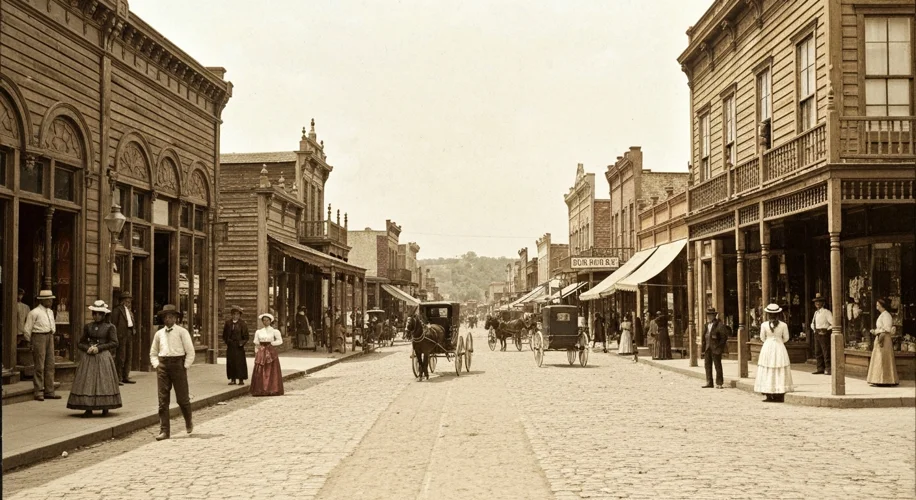
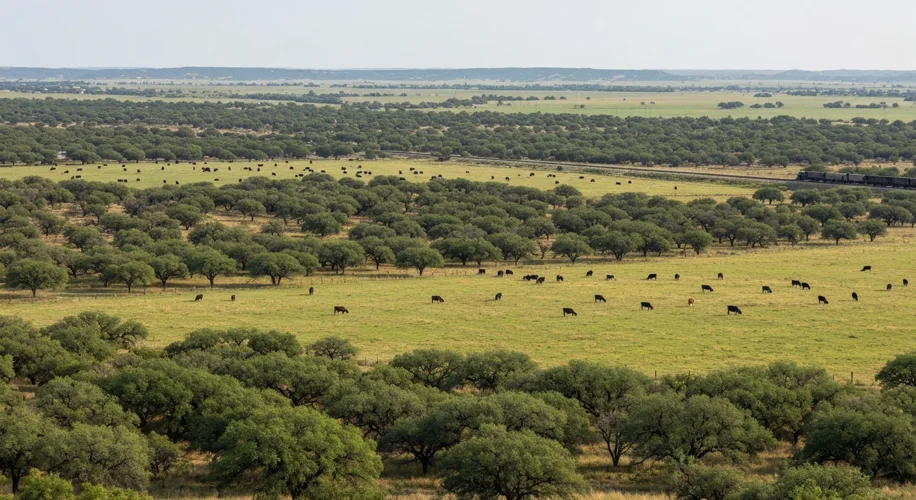
The mid-19th century marked a pivotal period. In 1853, Reading W. Wood, a surveyor for the San Antonio and Mexican Gulf Railroad, is credited with establishing the first permanent Anglo-American settlement in the area. He named it Encinal, meaning ‘oak grove,’ a nod to the abundant mesquite and oak trees dotting the landscape. However, the community soon became known by another name, one that would echo through the region’s history: Uvalde. The town was named in honor of Juan de Ugalde, a Spanish governor of Coahuila who had campaigned against Native American tribes in the area in the late 18th century. This naming itself reflects the complex layers of history—the Spanish colonial past intertwined with the Anglo-American settlement.
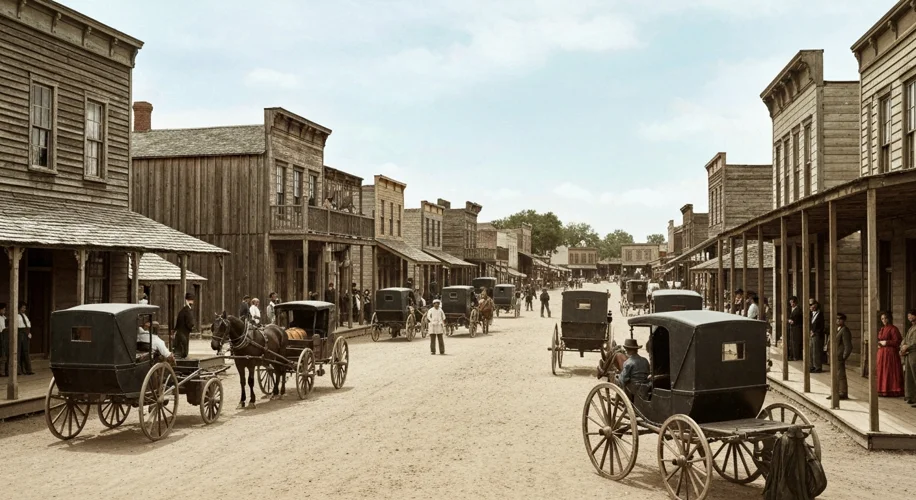
Uvalde’s growth was intrinsically linked to the railroad. The arrival of the railroad in the 1880s was a transformative event, connecting the isolated frontier town to larger markets and fueling an economic boom. Ranching, particularly cattle, became the lifeblood of Uvalde County. The vast open spaces were ideal for large-scale ranching operations, and Uvalde quickly established itself as a significant hub for the cattle industry. This era also saw the influx of diverse populations, including Mexican laborers who became integral to the ranching economy, contributing to the region’s rich cultural blend.
The early 20th century brought further development. Uvalde became a vital stop for the Southern Pacific Railroad, enhancing its role as a commercial and transportation center. Agriculture began to diversify, with cotton and citrus crops gaining importance alongside ranching. The town’s character was shaped by its hardworking residents, a mix of Anglo-Americans, Mexican Americans, and other immigrant groups, all contributing to the community’s burgeoning identity.
However, Uvalde’s history is not without its shadows. Like many communities in the American Southwest, it has grappled with issues of social and economic inequality. The legacy of segregation, while perhaps less overt than in other parts of the country, has shaped the experiences of its Mexican American population. The agricultural economy, while a source of prosperity, also brought challenges, including the exploitation of labor and vulnerability to market fluctuations.
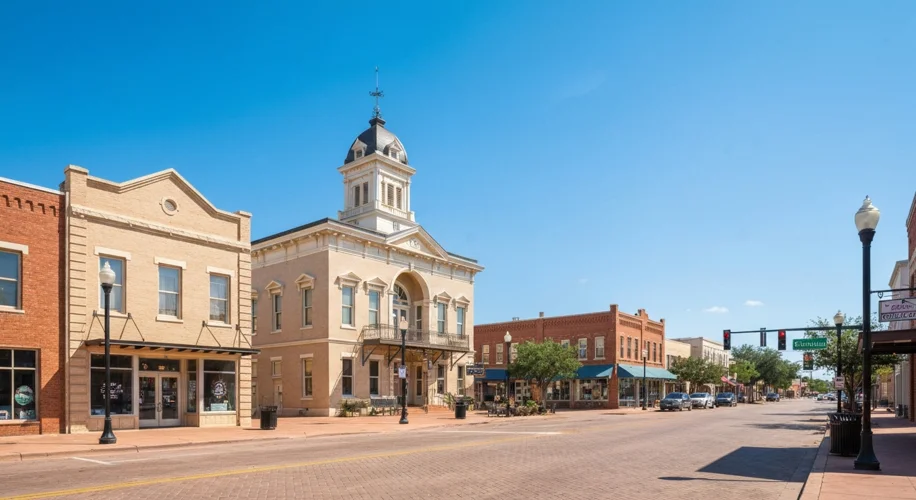
The latter half of the 20th century saw Uvalde continue to evolve. While ranching and agriculture remained important, the town also developed a service-based economy. It became a county seat and a regional center for commerce, education, and healthcare. The cultural fabric deepened, with vibrant Mexican American traditions flourishing alongside the Anglo heritage. The town square, a historic gathering place, has witnessed countless community events, parades, and everyday life unfolding over the decades.
Uvalde’s story is a microcosm of the American experience in many ways – a narrative of resilience, adaptation, and the constant negotiation of identity. Its origins, rooted in indigenous lands, Spanish claims, and Anglo settlement, have created a unique cultural mosaic. The economic engines of ranching and agriculture, powered by diverse labor, have shaped its prosperity and its challenges.
As we look at Uvalde in the present day, understanding its historical trajectory is crucial. The echoes of its past—the legacy of its Native American predecessors, the influence of its Spanish and Mexican heritage, the pioneering spirit of its settlers, and the economic realities of its development—all converge to inform its present and future. The town’s story is a testament to the enduring power of place and the complex, often unseen, forces that shape communities over time.