

The late 1980s in Somalia were not merely the twilight of an era; they were the prelude to a cataclysm. For decades, the nation had been held under the iron fist of Siad Barre, a military dictator whose rule, once heralded for its pan-Somali ambitions, had curdled into corruption and authoritarianism. His regime’s systematic suppression of dissent and the marginalization of specific clans sowed seeds of resentment that would soon erupt into a devastating civil war.
The cultural fabric of Somalia, deeply rooted in a nomadic heritage and a strong clan system, became a double-edged sword. While clans provided a sense of identity and belonging, they also represented deeply entrenched rivalries that Barre expertly manipulated, pitting groups against each other to maintain his grip on power. This complex social structure meant that any challenge to the state was not just political but also deeply tribal.
The Cracks Begin to Show: 1980s
The simmering discontent found its voice in several opposition groups, most notably the Somali National Movement (SNM) in the northwest, largely representing the Isaaq clan. Other factions, such as the Somali Patriotic Movement (SPM) and the United Somali Congress (USC), emerged in the south and central regions, representing different clan interests and grievances. The conflict escalated in the late 1980s, with rebel groups launching coordinated attacks against Barre’s forces.
The year 1988 marked a significant turning point. The SNM, after years of guerrilla warfare, launched a major offensive, capturing key towns in the north. In response, Barre’s regime unleashed a brutal crackdown, characterized by widespread human rights abuses, indiscriminate shelling of cities like Hargeisa, and mass displacement of civilians. The “Scorched Earth” policy employed by Barre’s forces left a trail of destruction and an indelible scar on the nation.
The Collapse of Authority: Early 1990s
By early 1991, the Somali National Army was crumbling, and Barre’s regime had effectively collapsed. However, this victory was short-lived. The diverse rebel factions, once united by their opposition to Barre, turned on each other. The USC, primarily composed of Hawiye clan members, seized control of the capital, Mogadishu, leading to intense clan-based fighting in the city. The SNM, having declared independence for the self-declared state of Somaliland in the northwest, retreated to consolidate its territory.
Somalia devolved into a fragmented landscape, with warlords controlling different regions and a complete breakdown of law and order. The humanitarian crisis that ensued was staggering. Famine, exacerbated by the conflict and the disruption of agricultural and trade routes, swept across the country. Aid agencies struggled to reach the most vulnerable populations, often caught in the crossfire of clan militias.
Intervention and Its Aftermath
The scale of the humanitarian catastrophe eventually drew the attention of the international community. In 1992, the United Nations authorized a multinational military intervention, codenamed Operation Restore Hope, led by the United States. The initial aim was to secure the delivery of humanitarian aid and restore order.
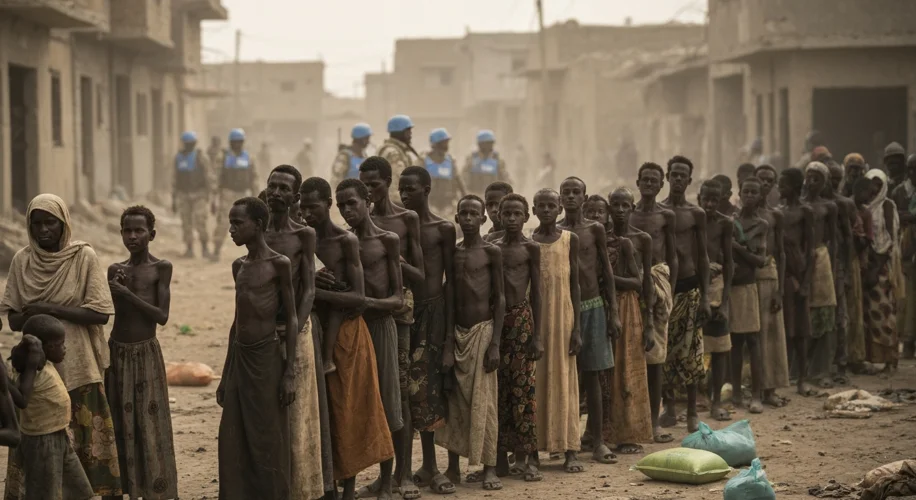
The intervention, however, proved far more complex than anticipated. The distinction between humanitarian aid delivery and direct involvement in the internal conflict blurred. The disastrous Battle of Mogadishu in October 1993, where 18 U.S. soldiers were killed and the bodies of American servicemen were dragged through the streets, led to a significant shift in international policy. The UN mission, once hailed as a beacon of hope, became a symbol of international failure and was eventually withdrawn in 1995.
The Lingering Scars
The Somali Civil War, which effectively began in 1988 and intensified in the early 1990s, plunged Somalia into a “lost decade.” The consequences were catastrophic: hundreds of thousands dead, millions displaced, and a nation shattered. The absence of a central government allowed extremist groups, such as Al-Shabaab, to gain a foothold, further destabilizing the region and perpetuating violence.
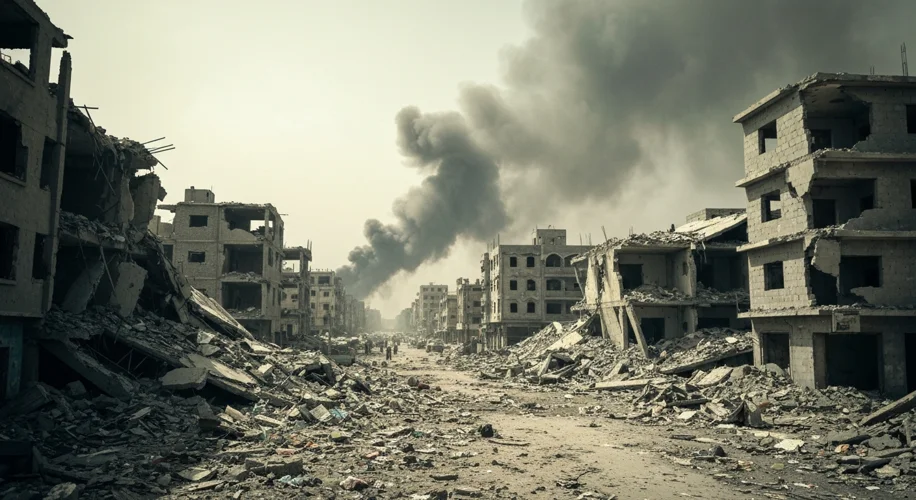
The Somali conflict serves as a stark reminder of the devastating impact of internal strife, the complexities of international intervention, and the profound resilience of a people caught in the throes of unimaginable hardship. The echoes of this war continue to reverberate today, shaping the political landscape and the lives of Somalis as they strive to rebuild their nation from the ashes.