

The roar of a propeller engine slicing through the humid African air. The glint of sun on polished metal. For many, the image of post-colonial Africa conjures up notions of newly independent nations striving for self-determination. But beneath the surface of these momentous shifts, another, often forgotten, narrative unfolded in the skies above the continent – one of mercenary pilots.
These were not the idealized heroes of wartime propaganda, nor the swaggering villains of pulp fiction. They were often highly skilled aviators, drawn by a potent cocktail of adventure, ideology, and, more pragmatically, hard currency. As European colonial powers withdrew, leaving behind fledgling states with nascent militaries, a vacuum was often created. This void was frequently filled by individuals who possessed the skills and the willingness to fight – and fly – for a price.
The Crucible of Conflict: A Continent in Flux
The mid-to-late 20th century was a tumultuous period for Africa. The optimism of independence was frequently overshadowed by internal strife, ethnic rivalries, and the persistent meddling of Cold War superpowers. Nations like the Congo, Biafra, Angola, and Rhodesia (now Zimbabwe) became geopolitical battlegrounds, both internally and externally. In these chaotic environments, the need for air power was acute, but often, local training programs couldn’t keep pace with demand, or the existing equipment was outdated and required specialized knowledge to maintain and operate.
This is where the mercenary pilots entered the fray. They were a motley crew, often veterans of World War II or the Korean War, their skills honed in real combat. Some were motivated by a sense of adventure, a desire to escape the mundane and test themselves in the crucible of conflict. Others harbored a grim pragmatism, seeing the lucrative contracts offered as a quick way to earn a substantial income. A few, perhaps, genuinely believed they were on the right side of a particular struggle, though such altruism was often secondary to the paycheck.
Whispers of the Sky: Missions and Machines
Their missions were as varied as the aircraft they flew. They engaged in everything from reconnaissance and troop transport to close air support and, notoriously, bombing runs. The aircraft themselves were often relics of past conflicts: sturdy Dakotas (DC-3s), versatile C-47s, nimble Alouettes, and even, in some cases, repurposed civilian aircraft pressed into military service. The legendary Douglas C-47 Skytrain, a workhorse of WWII, found a second life in many African conflicts, its ruggedness making it ideal for the often-undeveloped airstrips.
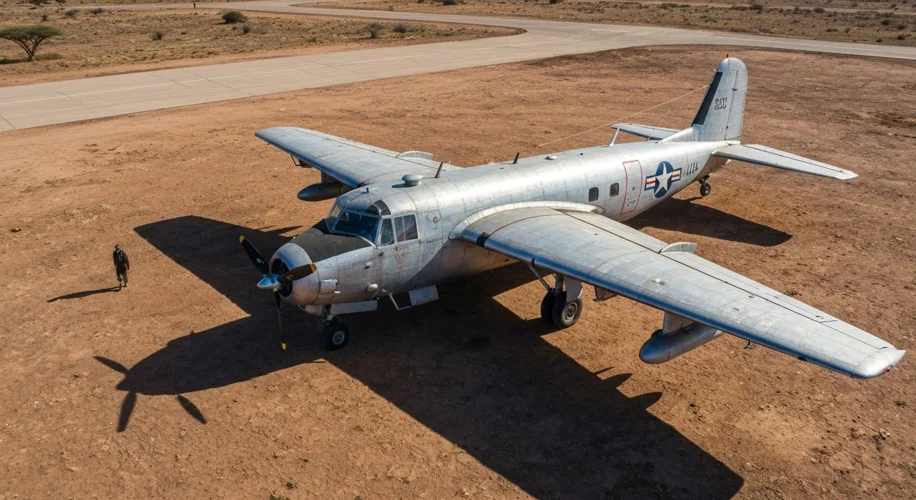
Consider the Congo Crisis of the early 1960s. As the nation fractured, international pilots, often hired by various factions or UN forces, became crucial. They ferried supplies, evacuated civilians, and even conducted bombing raids against secessionist forces. In Biafra, during the Nigerian Civil War, foreign pilots flew crucial supply missions, attempting to break the blockade and deliver desperately needed food and medicine, often facing enemy fire.
One such pilot was the enigmatic figure known only as ‘Baz’ooka Bob. Operating in Angola during its protracted civil war, he was renowned for his daring low-level runs in a C-47, evading anti-aircraft fire to deliver much-needed supplies to besieged government forces. His legend grew with each successful, often perilous, mission.
The Ethical Fog of War
The role of these pilots, however, was fraught with ethical complexities. While some were undoubtedly essential for maintaining order or delivering humanitarian aid, others were instrumental in perpetuating brutal conflicts. The lines between a mercenary fighting for pay and a soldier fighting for a cause were often blurred, especially when those involved were foreign nationals operating outside the clear legal frameworks of international warfare.
Their involvement raised profound questions: Were they legitimate military assets, or were they simply contractors prolonging bloodshed for profit? Did their presence legitimize or delegitimize the factions they served? The impact on civilian populations was often devastating, as these pilots, regardless of their personal motivations, were often involved in actions that resulted in significant loss of life.
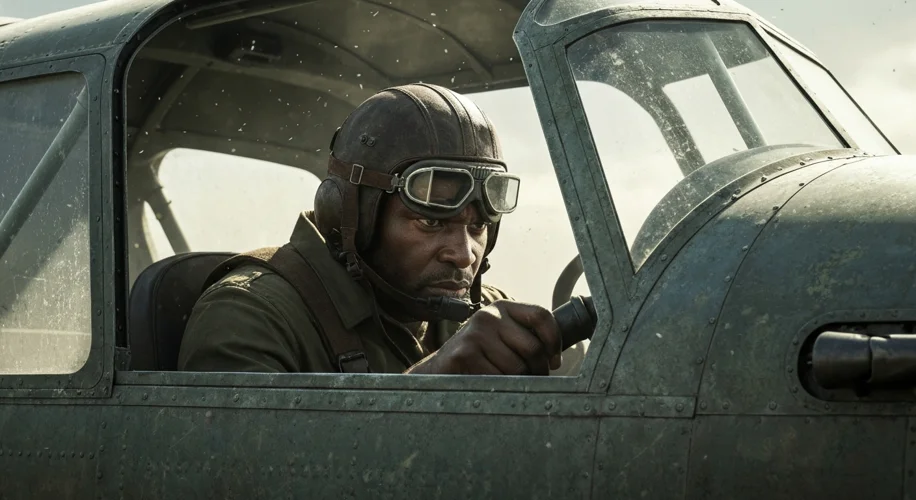
Furthermore, many of these pilots operated with a degree of impunity. Lacking formal military structures or accountability, their actions could sometimes go unchecked. The pursuit of profit, combined with the high-stakes environment of conflict, created a volatile mix. Accusations of indiscriminate bombing, destruction of civilian infrastructure, and even participation in war crimes were not uncommon.
Echoes in the Winds of Time
By the late 20th century, the era of the overtly mercenary pilot in African conflicts began to wane, partly due to increased international scrutiny and the development of more professionalized national air forces. However, their legacy lingers. They represent a critical, albeit often uncomfortable, chapter in the post-colonial history of Africa, a testament to the complex interplay of skilled individuals, geopolitical maneuvering, and the enduring human drive for adventure and survival in the most challenging of circumstances.
The unseen eagles of the African skies, these pilots played a significant, if controversial, role in shaping the destinies of nations. Their stories, often buried in memoirs or whispered in aviation circles, offer a unique perspective on a continent in transition, where the fight for freedom was often waged by those who flew for a fee.