

The Horn of Africa, a rugged peninsula jutting into the Indian Ocean, became a pivotal chessboard during the Cold War. Its strategic location, bordering vital shipping lanes and nestled between burgeoning post-colonial nations, made it a magnet for the geopolitical ambitions of the Soviet Union and the United States. This era, from the mid-20th century until the collapse of the Soviet Union, saw the region entangled in a complex web of proxy conflicts, shifting alliances, and ideological battles that left an indelible mark on its nations.
A Region in Flux, A World Divided
In the post-World War II era, many African nations were shedding the shackles of colonialism, seeking to forge their own destinies. The Horn of Africa, encompassing countries like Somalia, Ethiopia, and Djibouti, was no exception. These nations, often newly independent or on the cusp of it, possessed a strategic significance far exceeding their economic might. The Bab-el-Mandeb strait, a narrow passage controlling access to the Red Sea and the Suez Canal, was a crucial artery for global trade and military movement. Whoever controlled or influenced this region held significant leverage over East-West maritime access.
The Superpowers Arrive: A Dance of Ideologies
The Soviet Union, under Nikita Khrushchev and later Leonid Brezhnev, saw the Horn of Africa as a prime opportunity to expand its influence and counter American global dominance. They offered military aid, economic assistance, and ideological support to nations that aligned with their communist or socialist leanings. The United States, conversely, viewed the region through the lens of containing Soviet expansion and ensuring the stability of its Western allies and global trade routes. They responded with their own packages of military and economic aid, often backing regimes that were staunchly anti-communist.
Somalia: The Shifting Sands of Alliance
Perhaps no nation exemplifies the volatile nature of Cold War geopolitics in the Horn of Africa better than Somalia. In the early years of its independence, Somalia, under the leadership of President Siad Barre, initially found itself aligning with the Soviet Union. Moscow poured military hardware and technical expertise into the country, seeing it as a valuable client state and a strategic foothold.
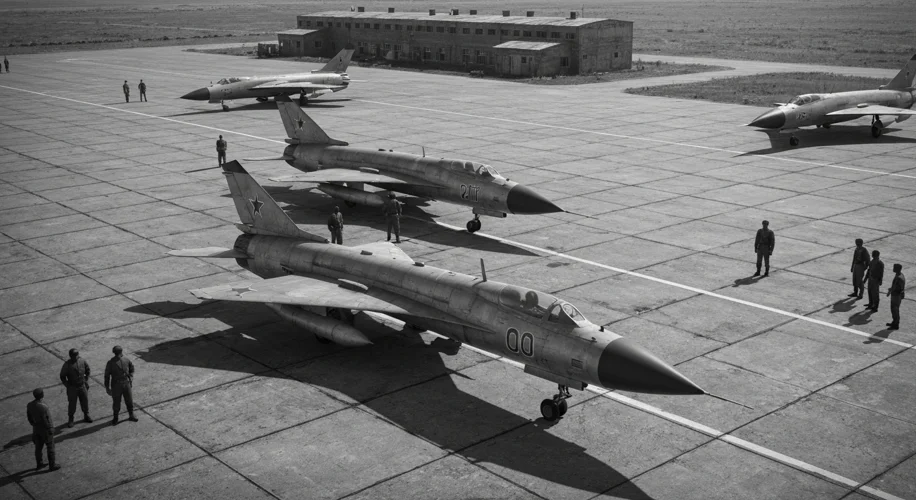
However, the geopolitical landscape is rarely static. The seeds of this alliance’s demise were sown in the territorial disputes between Somalia and its neighbor, Ethiopia, which was undergoing its own internal turmoil following the overthrow of Emperor Haile Selassie and the rise of a Marxist-Leninist regime backed by the Soviets. In 1977, Somalia, feeling emboldened by its Soviet patronage and fueled by irredentist claims over the Ogaden region, launched an invasion of Ethiopia. This presented the Soviet Union with an agonizing dilemma: support its long-standing ally Somalia or its new, strategically crucial ally Ethiopia.
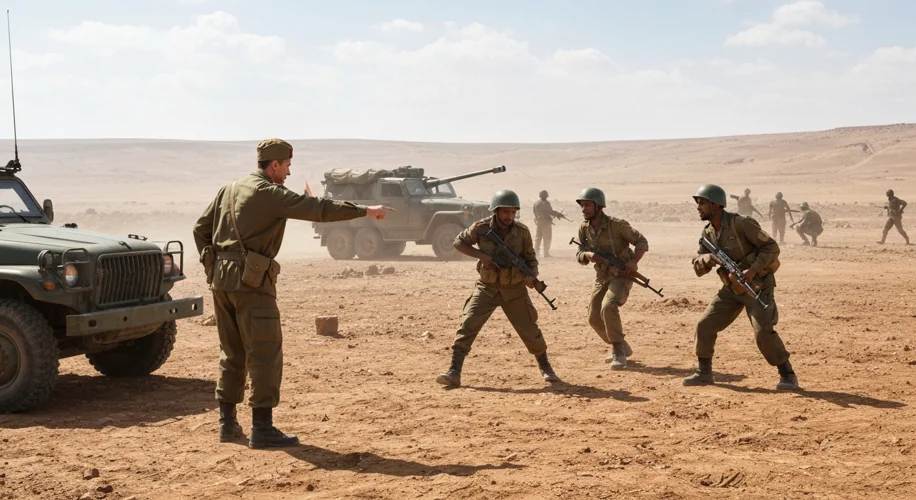
Moscow, ultimately prioritizing its relationship with Ethiopia and its access to vital ports, switched its allegiance. The Soviets, along with their Cuban allies, provided massive military support to the Ethiopian government, repelling the Somali invasion and fundamentally altering the regional power balance. This dramatic pivot left Somalia in the lurch, its Soviet-supplied arsenal now facing its former patrons. The humiliation and the blow to Barre’s prestige were immense.
The United States Steps In
With the Soviet Union’s influence waning in Somalia, the United States saw an opening. Despite Barre’s authoritarian rule and past human rights abuses, strategic interests dictated a new engagement. The US began providing military and economic aid to Somalia, viewing it as a potential bulwark against Soviet influence in the region and a crucial partner in counter-terrorism efforts in the post-Cold War era. This shift in allegiance, from Moscow to Washington, underscored the pragmatic, often opportunistic nature of Cold War alliances.
Ethiopia: Caught in the Crossfire
Ethiopia, on the other hand, became a prime example of Soviet patronage. The Derg regime, after overthrowing Haile Selassie, embraced Marxist ideology and became heavily reliant on Soviet military and economic aid. The Soviets saw Ethiopia as a strategically vital state, with its access to the Red Sea and its proximity to the Arabian Peninsula. However, this reliance also meant Ethiopia became deeply entangled in the Soviet sphere of influence, facing internal strife and external threats with superpower backing.
Consequences and Lasting Legacies
The Cold War’s geopolitical maneuvering in the Horn of Africa had profound and lasting consequences. The influx of massive amounts of Soviet and American weaponry fueled regional conflicts, exacerbated existing tensions, and contributed to the militarization of societies. The region became a theater for proxy wars, where the superpowers’ global struggle played out on local soil.
The artificial borders drawn by colonial powers, already a source of instability, became further contested as ideological alignments shifted. The focus on superpower patronage often overshadowed the genuine needs of development and nation-building, leaving many states economically dependent and politically fragile.
Furthermore, the legacy of these alliances continued to shape regional dynamics long after the Cold War’s end. The arms build-up, the entrenched rivalries, and the unresolved territorial disputes sowed seeds for future conflicts. The Horn of Africa, a region rich in history and culture, was for decades a stark illustration of how global power struggles could devastate local lives and alter the course of nations.
In conclusion, the Cold War transformed the Horn of Africa from a region of nascent independence into a critical geopolitical battleground. The shifting allegiances, particularly Somalia’s dramatic pivot, the superpower rivalries, and the constant flow of arms, created a legacy of instability and conflict that continues to resonate in the region today. The echoes of those Cold War maneuvers serve as a potent reminder of how the ambitions of distant powers can irrevocably shape the destiny of nations.