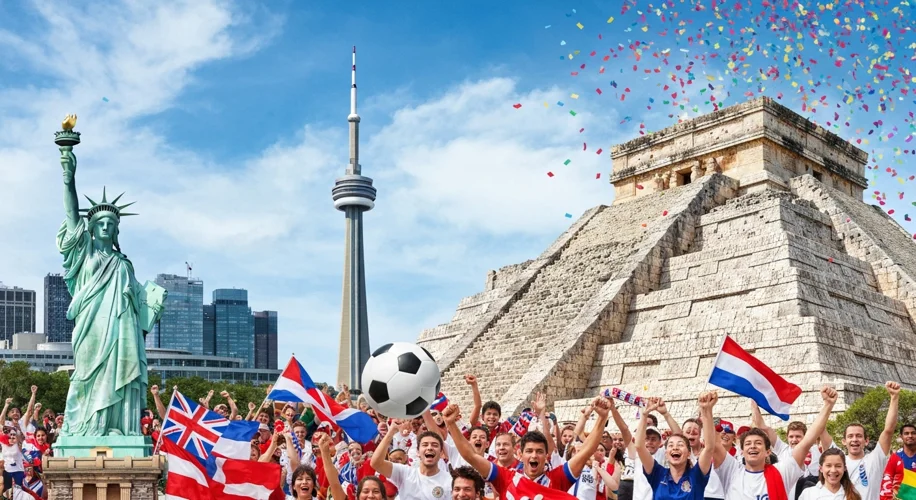
The roar of the crowd, the electric tension in the air, the unifying spectacle of sport – the FIFA World Cup is more than just a tournament; it’s a global phenomenon. As the calendar flips to 2026, anticipation builds for an unprecedented event: the FIFA World Cup, co-hosted by Canada, Mexico, and the United States. This isn’t just about goals and glory; it’s a complex tapestry woven with threads of international relations, economic impact, and the very soul of fan culture.
The story of the 2026 World Cup begins not on the pitch, but in the boardrooms and diplomatic circles years prior. The decision to award the tournament to a joint North American bid was, in itself, a significant geopolitical statement. It marked a return to a more traditional World Cup model after a series of more experimental host selections, and it underscored the economic and logistical power of these three nations. Canada, Mexico, and the United States, while distinct in their cultures and histories, united under the banner of football, promising a tournament that would span a continent and unite millions.
From the frosty air of Vancouver to the sun-drenched stadiums of Mexico City and the bustling metropolises of the United States, the 2026 World Cup aims to showcase the diversity of North America. This sprawling geographical footprint is a logistical marvel, presenting both opportunities and challenges. Imagine the journeys fans will undertake, traversing borders and experiencing the rich cultural mosaic of the continent. The opening match is slated for the iconic Estadio Azteca in Mexico City, a stadium steeped in footballing history, having hosted two previous World Cup finals. The final, a crescendo of global anticipation, will be held at the legendary MetLife Stadium in East Rutherford, New Jersey, promising an unforgettable conclusion.
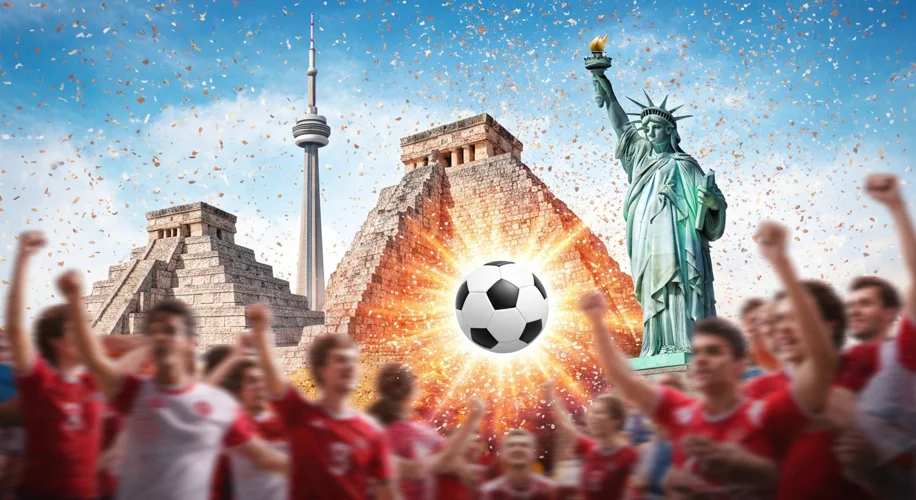
However, beneath the veneer of sporting unity, discussions are already swirling, touching upon potent themes. Ticket sales, for instance, have become a focal point of contention. As with any major global event, the pricing of tickets can be a barrier, sparking debates about accessibility and the commercialization of the beautiful game. For many ordinary fans, the dream of witnessing their nation compete on the world stage can be priced out of reach, leading to frustration and a sense of exclusion.
Beyond the economic considerations, whispers of potential boycotts have also surfaced. These are not merely the grumblings of disgruntled fans but can be amplified by geopolitical tensions. The relationship between nations is rarely static, and any global event of this magnitude becomes a mirror reflecting these complexities. While the official stance of participating nations is one of sporting camaraderie, underlying political currents can influence fan sentiment and even state-level decisions. The host nations, in their preparations, must navigate these delicate international waters, ensuring the tournament transcends mere sport and becomes a symbol of global cooperation.
This isn’t the first time the World Cup has intersected with broader societal issues. The tournament has historically been a stage where political statements are made, where fan passion can morph into activism. From the apartheid era in South Africa to the geopolitical rivalries of the Cold War, the World Cup has often found itself at the nexus of sport and politics. The 2026 edition, with its unprecedented three-nation hosting and the current global landscape, is poised to continue this tradition.
The impact of the 2026 World Cup will ripple far beyond the final whistle. Economically, it promises a significant boost to the host nations, not only through tourism and infrastructure development but also through job creation and the stimulation of local economies. Culturally, it offers a unique opportunity for cross-cultural exchange, allowing people from around the globe to experience the distinct charms of Canada, Mexico, and the United States.
Yet, the true legacy of the 2026 FIFA World Cup will be defined not just by the matches played or the champion crowned, but by how it navigates these multifaceted challenges. Will it be a triumph of global unity, a testament to the power of sport to bridge divides? Or will the undercurrents of economic disparity and political friction cast a shadow over the festivities? As the world turns its eyes to North America, the 2026 World Cup stands as a compelling case study in the intricate dance between sport, society, and the ever-evolving landscape of international relations.