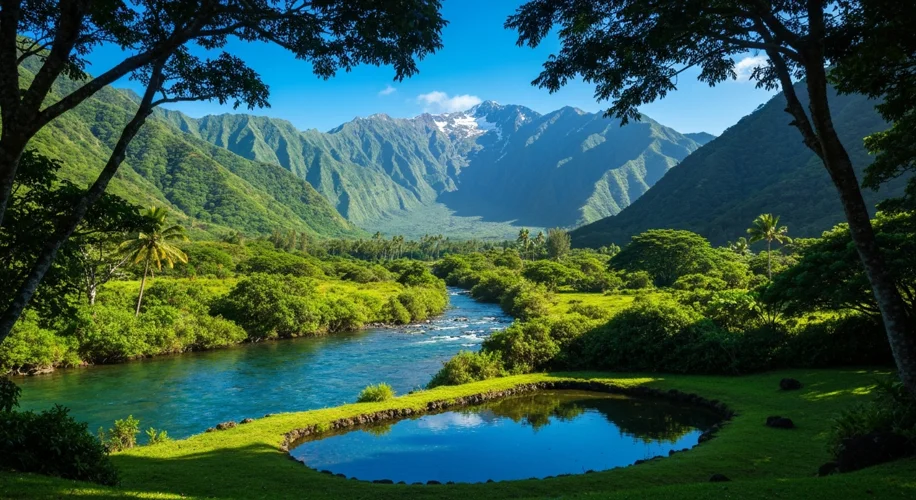
The islands of Hawaiʻi, a jewel in the vast Pacific, have always been a land of dramatic environmental transformation. For centuries, the native Hawaiians lived in remarkable harmony with their ʻāina (land), developing sophisticated systems of agriculture, aquaculture, and resource management. However, the arrival of Westerners, beginning with Captain Cook in 1778, ushered in a new era, one marked by profound ecological changes and mounting challenges for the sovereign Hawaiian Kingdom.
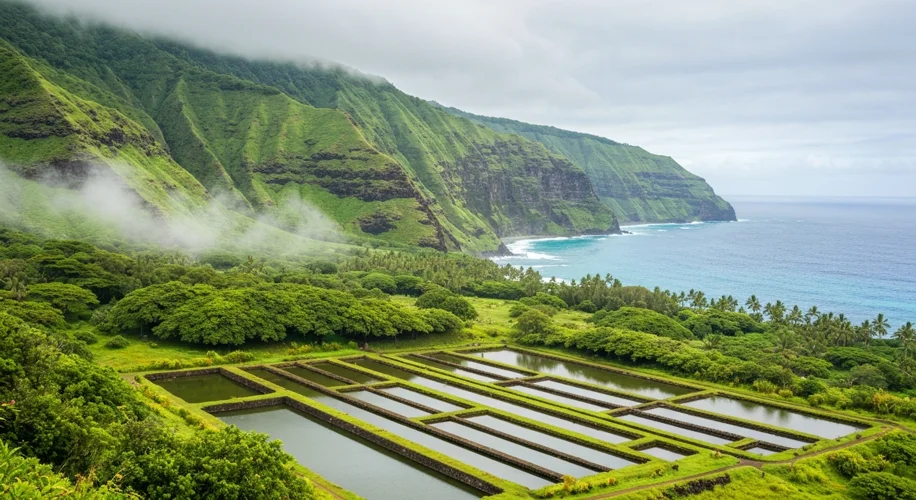
The traditional Hawaiian way of life was intrinsically linked to the health of the islands’ ecosystems. Their understanding of mālama ʻāina—caring for the land—was not just a cultural practice but a matter of survival. They developed intricate irrigation systems, such as the loko iʻa (fishponds), which sustained thriving populations. Vast tracts of land were dedicated to taro cultivation, a staple food, using terraced fields that prevented erosion and maximized water use. Forests were managed sustainably, providing timber for canoes and building materials, while also serving as crucial watersheds that fed the streams and rivers.
However, the seeds of ecological change were sown with the increasing tide of foreign contact. Missionaries, traders, and whalers brought with them not only new technologies and ideas but also a host of foreign species, both intentionally and unintentionally. Cattle, sheep, goats, and pigs, introduced as sources of food and labor, began to roam freely. Without natural predators, these animals wreaked havoc on native flora, decimating delicate plant communities and contributing to soil erosion. Invasive plant species, such as lantana and koa haole, outcompeted native vegetation, altering the very landscape of the islands.
The Hawaiian monarchy, under rulers like Kamehameha III and Kalākaua, recognized the growing environmental pressures. While striving to modernize and engage with the Western world, they also attempted to preserve their cultural heritage and the natural resources that sustained it. However, the pressures from foreign powers and the burgeoning Western economy were immense. The demand for sandalwood, for instance, led to the near-total depletion of this valuable tree by the mid-19th century, a stark example of unsustainable resource extraction.
The introduction of sugar plantations, driven by foreign capital and labor, further transformed the islands. Vast areas of native forests were cleared to make way for sugarcane fields. This deforestation led to increased soil erosion, siltation of rivers and streams, and a significant reduction in freshwater availability. The plantations also demanded massive amounts of water, diverting it from traditional agricultural uses and natural ecosystems. The introduction of non-native agricultural pests and diseases, common in monoculture farming, added another layer of ecological stress.
The Kingdom of Hawaiʻi, though sovereign, found itself increasingly constrained by external forces. Debates raged about land ownership, resource control, and the environmental consequences of rapid development. While some Hawaiians held onto traditional practices, others embraced Western technologies and economic models, creating internal divisions. The eventual overthrow of the Hawaiian Kingdom in 1893, facilitated by powerful American business interests, marked the end of an era of self-governance and ushered in a period of intensified economic exploitation and environmental degradation under U.S. control.
The environmental transformations witnessed during the Hawaiian Kingdom period serve as a poignant historical lesson. They highlight the delicate balance between human activity and natural ecosystems, and the profound impact that external forces can have on indigenous environments and cultures. The legacy of this era continues to shape contemporary environmental challenges in Hawaiʻi, reminding us of the enduring importance of mālama ʻāina and the need for sustainable stewardship of our precious natural world.