The air in Sarajevo on June 28, 1914, crackled with a tension that would soon engulf the world. Archduke Franz Ferdinand’s assassination there, a single act of defiance, was the spark that ignited World War I. Yet, for many, the assassination was merely a symptom of deeper historical currents, a prelude to a century of upheaval in the Balkans. For decades, the region would remain a powder keg, a complex tapestry of ethnicities and faiths bound together, precariously, within the artificial construct of Yugoslavia.
Born from the ashes of empires after World War I, the Kingdom of Serbs, Croats, and Slovenes – later renamed Yugoslavia in 1929 – was an ambitious experiment in South Slavic unity. Led by Serbia, it was a nation of diverse peoples: Orthodox Serbs, Catholic Croats and Slovenes, Muslim Bosniaks, Albanians, and many more. For much of its existence, it was held together by a delicate balance of power, punctuated by periods of authoritarian rule and simmering ethnic resentments. The iron will of Marshal Josip Broz Tito, who steered Yugoslavia through the Cold War, provided a crucial period of stability. His death in 1980, however, removed the unifying force, leaving a void that historical animosities were quick to fill.
As the Soviet empire began to crumble in the late 1980s, the centrifugal forces within Yugoslavia intensified. Economic hardship exacerbated existing tensions, and nationalist rhetoric, once suppressed, began to gain traction. Slobodan Milošević, the leader of Serbia, emerged as a powerful advocate for Serbian interests, advocating for a greater Serbia and challenging the autonomy of other republics. In response, Slovenia and Croatia, led by figures like Milan Kučan and Franjo Tuđman respectively, began to assert their desire for independence. The cultural and political landscapes were rapidly diverging, each republic pulling away from the center.
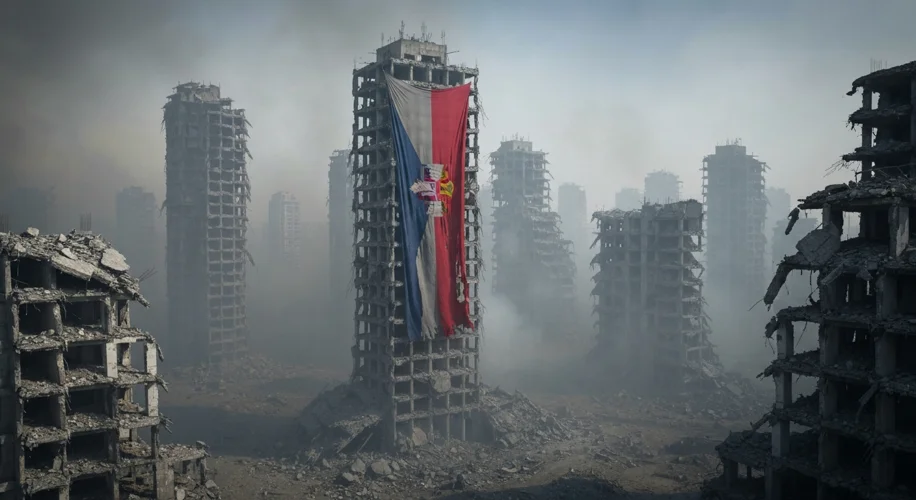
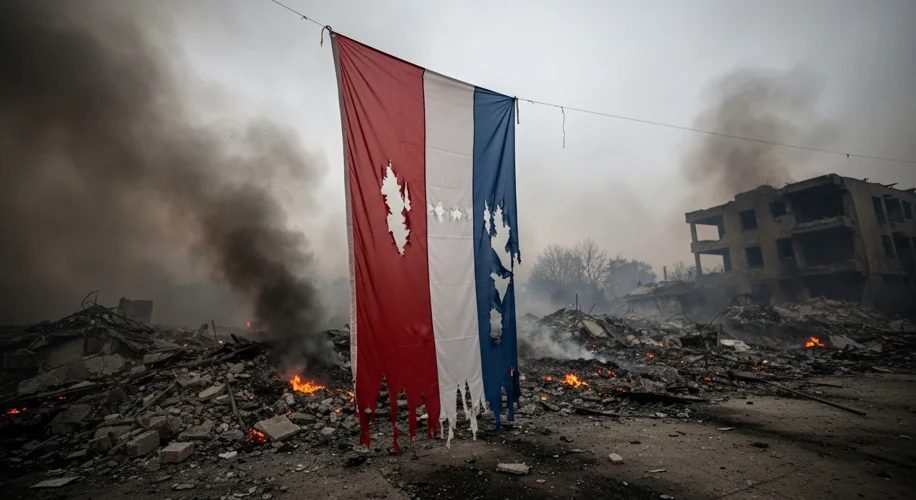
The dam finally broke in 1991. Slovenia and Croatia declared their independence, a move met with immediate resistance from the Yugoslav People’s Army (JNA), heavily dominated by Serbs. The Ten-Day War in Slovenia was relatively brief, but it set the stage for the brutal conflict that followed in Croatia. The Croatian War of Independence (1991-1995) was marked by horrific violence, ethnic cleansing, and the infamous siege of Vukovar. The scars of this war, etched into the landscape and the souls of its people, would prove deep and lasting.
But the most devastating conflict was yet to come. The Bosnian War (1992-1995) erupted when Bosnia and Herzegovina declared independence, igniting a three-way civil war between Bosnian Serbs, Bosnian Croats, and the predominantly Bosniak Muslim forces. This war became synonymous with unspeakable atrocities, including the Srebrenica massacre, where over 8,000 Bosniak men and boys were systematically murdered by Bosnian Serb forces. The international community, initially hesitant, eventually intervened, but not before immense suffering and loss of life had occurred.
The Balkan Wars were not merely conflicts over territory; they were wars of identity, fueled by historical grievances, nationalist ambitions, and the failure of political compromise. The key actors – Milošević, Tuđman, Alija Izetbegović (President of Bosnia and Herzegovina), and others – each had their own agendas, often prioritizing ethnic dominance over a shared future. Their perspectives, amplified by state-controlled media, painted vivid narratives of victimhood and justified brutal actions against perceived enemies.
The consequences of Yugoslavia’s dissolution and the ensuing wars were catastrophic. Millions were displaced, hundreds of thousands lost their lives, and the region was left scarred by widespread destruction and enduring hatred. The international community’s response, often characterized by indecisiveness and delayed intervention, also came under heavy criticism. The wars served as a grim reminder of the fragility of peace and the devastating potential of unchecked nationalism.
Today, the successor states of Yugoslavia navigate a complex path. While relative peace has been established, the legacy of the wars continues to shape their political, social, and economic landscapes. The shattered mirror of Yugoslavia serves as a potent historical lesson, a stark warning about the dangers of division, the seductive power of nationalism, and the enduring human cost of unresolved conflicts. The echoes of the Balkan Wars, though fading, remind us that history is not a distant echo, but a force that continues to shape our present.