
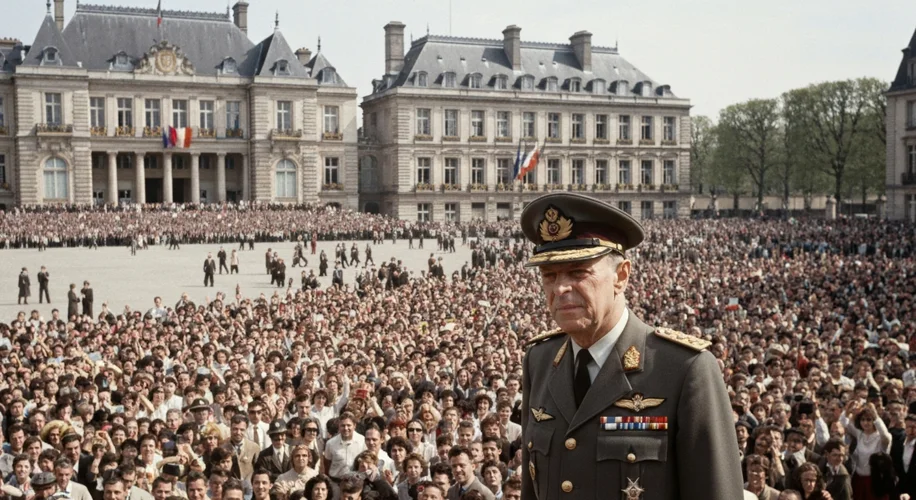
The year is 1958. France, a nation still reeling from the scars of two world wars and grappling with the messy realities of decolonization, found itself on the precipice. The Fourth Republic, a fragile experiment in parliamentary democracy, was teetering, unable to effectively address the escalating crisis in Algeria. Into this maelstrom stepped a figure as imposing and resolute as the granite of his native land: Charles de Gaulle.
De Gaulle was no stranger to the corridors of power, nor to the tumultuous currents of French history. A decorated general in World War II, he had famously rallied a fractured nation from exile, embodying the very spirit of French resistance. Yet, his return to power in 1958 was not a simple homecoming; it was a deliberate, almost audacious, assertion of a singular vision – a vision for a France that was independent, proud, and resolute on the global stage.
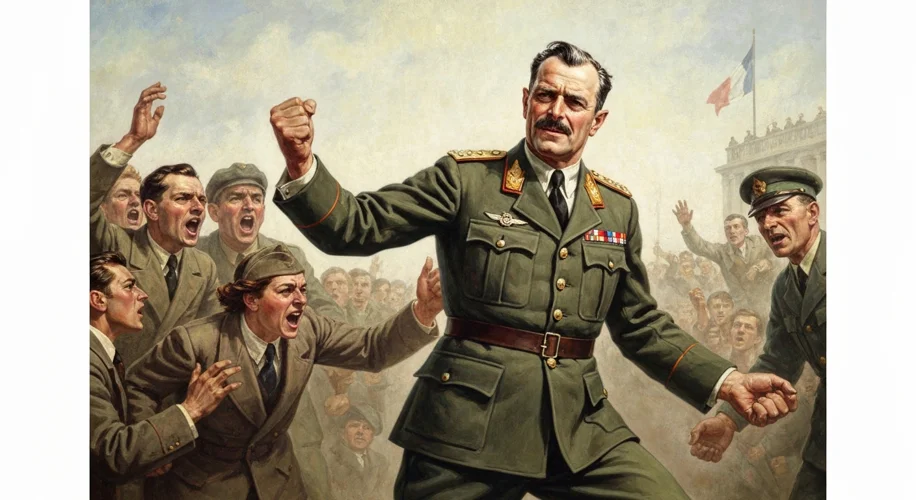
This was the dawn of the Fifth Republic, and with it, the Gaullist era. De Gaulle, now President, wasted no time in reshaping France. His policies were characterized by a fierce nationalism and an unwavering pursuit of French sovereignty. He believed France, despite its post-war exhaustion, possessed a unique destiny and a crucial role to play in international affairs. This meant breaking free from the perceived subservience to the United States, a key ally during the war but, in de Gaulle’s eyes, an increasingly dominant and self-serving power.
One of de Gaulle’s most striking moves was France’s withdrawal from NATO’s integrated military command in 1966. This was not a rejection of the alliance, but a strategic recalibration. France would remain a member, but would retain full control over its own defense, including the development of its own nuclear deterrent – the Force de frappe. This independent nuclear capability was, for de Gaulle, the ultimate guarantee of French security and a symbol of its regained status as a major world power.
His foreign policy was equally bold. De Gaulle pursued a path of “détente” with the Eastern Bloc, seeking to foster dialogue and cooperation independent of American influence. He recognized China in 1964, a move that surprised many Western nations, signaling France’s willingness to engage with a changing global landscape. He even famously spoke out against American dominance, famously declaring in Quebec in 1967, “Vive le Québec libre!” – a powerful statement of solidarity with French-speaking Canada that rattled diplomatic nerves.
Domestically, the Gaullist era was a period of significant transformation. France experienced a period of economic growth and modernization, often referred to as the “Trente Glorieuses” (Thirty Glorious Years). Infrastructure projects were undertaken, and French industry was bolstered. However, this era was not without its internal tensions. The Algerian War, which had precipitated de Gaulle’s return, was finally brought to an end in 1962, granting Algeria independence. This decision, while necessary, was deeply divisive within France and led to significant political upheaval and violence.
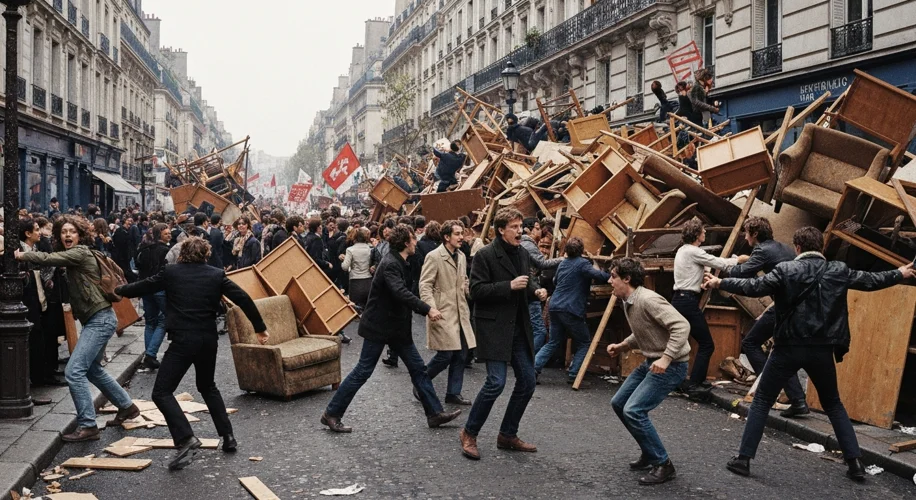
By 1968, the social fabric of France was stretched thin. Student protests, fueled by a desire for greater freedoms and a rejection of traditional authority, erupted across the country. These protests, coupled with widespread strikes by workers, brought France to a standstill. De Gaulle, initially appearing unshakeable, was forced to address the growing unrest. In a dramatic televised address, he dissolved the National Assembly and called for new elections, a move that ultimately restored order and solidified his mandate, albeit temporarily.
Despite his firm grip on power, de Gaulle’s time in office eventually came to an end. In a referendum in 1969, he proposed a series of reforms that, if rejected, would lead to his resignation. The French people voted no, and de Gaulle, true to his word, stepped down. He retired to his country estate, leaving behind a France profoundly altered by his vision and his leadership.
The Gaullist era was a complex and often contradictory period. De Gaulle’s emphasis on national grandeur and independence undoubtedly restored a sense of pride and purpose to a nation grappling with its post-colonial identity. He steered France through a critical juncture, forging a path of self-reliance on the international stage. Yet, his authoritarian tendencies and the social and political upheavals of the late 1960s also highlighted the challenges of imposing such a singular vision.
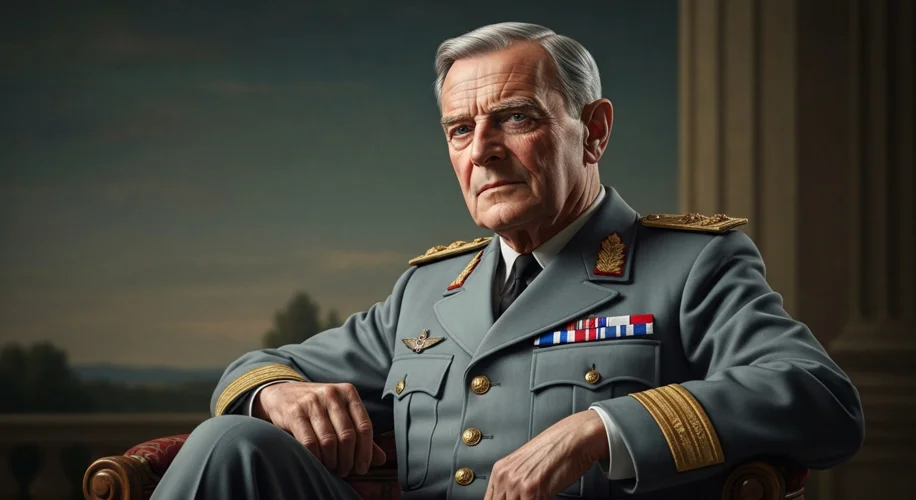
Ultimately, the legacy of the Gaullist era is one of a resurgent France, a nation that dared to chart its own course. De Gaulle’s unwavering belief in France’s destiny, his pursuit of strategic autonomy, and his complex relationship with modernity continue to shape French identity and its place in the world, a powerful echo from a pivotal chapter in history.