The air in Rwanda, on April 6, 1994, was thick with the scent of rain and the unspoken tension of a nation teetering on the precipice. For months, whispers of hate had festered, growing louder, more venomous. But no one could have predicted the sheer, unadulterated horror that was about to engulf this small, verdant land in the heart of Africa.
Rwanda’s story is one woven from threads of colonial legacy and ethnic division. For centuries, Hutu and Tutsi communities had coexisted, often intermarrying and sharing a common language and culture. However, the Belgian colonial administration, in their quest for control, had rigidly codified these identities, favoring the Tutsi minority and exacerbating pre-existing social distinctions. They issued identity cards, classifying Rwandans as Hutu, Tutsi, or Twa, sowing seeds of resentment that would lie dormant for decades, only to bloom into a monstrous harvest.
The post-colonial era saw a reversal of fortunes, with the Hutu majority gaining political power. This power, however, was often wielded with a narrative of historical grievance, fueling a deep-seated animosity towards the Tutsi, who were often portrayed as alien invaders who had oppressed the Hutu. The Rwandan Patriotic Front (RPF), a rebel group largely composed of Tutsi refugees who had been exiled in earlier waves of violence, launched an offensive from Uganda in 1990, initiating a civil war that would destabilize the nation further.
Amidst this civil war and a fragile peace accord, the stage was set for tragedy. Key actors emerged, their words echoing with the chilling resonance of programmed hatred. President Juvénal Habyarimana, a Hutu moderate, found himself caught between the hardline Hutu extremists within his own government and the RPF. On the night of April 6, 1994, his plane was shot down as it approached Kigali, the capital. This event, whether orchestrated by the RPF or Hutu extremists seeking a pretext, became the spark that ignited the inferno.
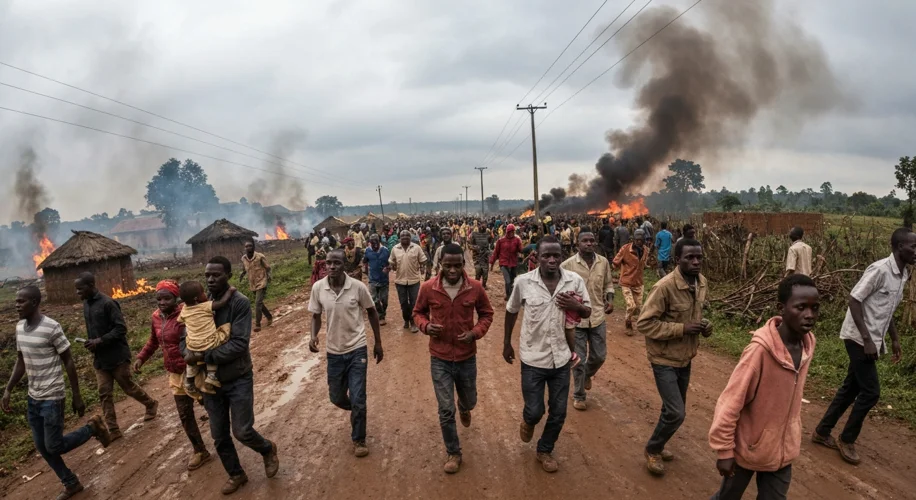
Within hours, the meticulously planned slaughter began. Hutu extremists, organized into militias like the Interahamwe and Impuzamugambi, unleashed a reign of terror. Roadblocks sprang up across the country. Neighbors turned on neighbors. The radio, a powerful tool of propaganda, blared out calls to hunt down and kill the ‘cockroaches’ – a chilling euphemism for the Tutsi. Moderate Hutu who dared to oppose the genocide were also targeted. The speed and brutality were staggering. Men, women, and children were hacked to death with machetes, bludgeoned, or shot. Churches, schools, and hospitals, places of supposed sanctuary, became abattoirs.
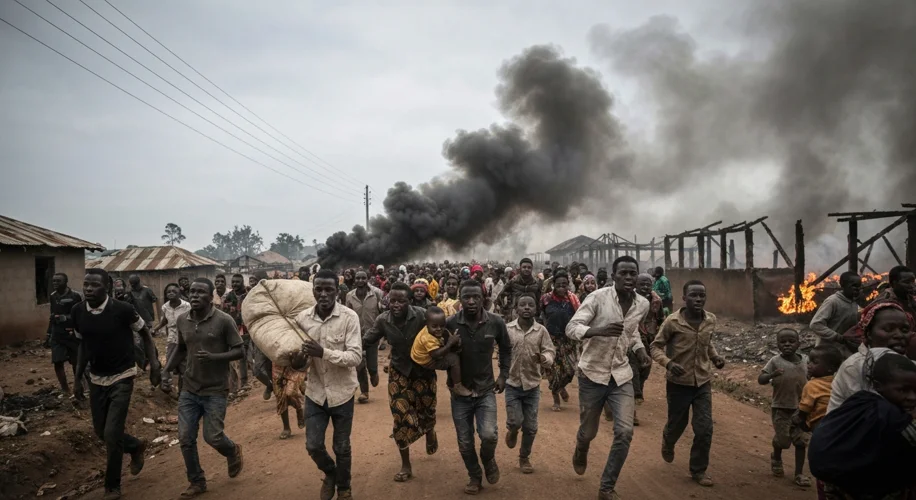
The world watched, largely paralyzed. The United Nations peacekeeping force present in Rwanda, despite witnessing the unfolding horror, was ill-equipped and lacked the mandate to intervene effectively. International leaders offered condolences but hesitated to commit troops or resources. The phrase ‘genocide’ was carefully avoided by some nations, a testament to the political quagmire and the unwillingness to confront the scale of the atrocity. For 100 agonizing days, from April to July 1994, the killing continued, an estimated 800,000 people – overwhelmingly Tutsi, but also moderate Hutu – were systematically murdered.
The consequences of this unimaginable violence were profound and continue to shape Rwanda and the wider Great Lakes region. The sheer scale of death and destruction left scars that may never fully heal. Millions were displaced, creating a refugee crisis of staggering proportions. The infrastructure of the nation was devastated, its social fabric torn asunder. Neighboring countries, already fragile, were overwhelmed by the influx of refugees, many of whom carried the trauma of what they had witnessed and endured.
The aftermath saw efforts to establish justice and reconciliation. The International Criminal Tribunal for Rwanda (ICTR) was established to prosecute those responsible for the genocide. In Rwanda itself, community-based courts, known as Gacaca, were implemented to handle the vast number of perpetrators, aiming for both justice and reconciliation at the local level. These efforts, while imperfect, represented a determined attempt to come to terms with the past and rebuild a nation from the ashes.
The Rwandan Genocide serves as a stark and enduring reminder of humanity’s capacity for both unimaginable cruelty and remarkable resilience. It highlights the devastating consequences of unchecked ethnic hatred, the dangers of colonial legacies, and the critical importance of timely international intervention in the face of mass atrocities. The silence of the world during those hundred days remains a haunting question, a call to remember and a solemn commitment to ensure that ‘never again’ is not merely a slogan, but a deeply ingrained principle guiding global action.