The air in Sarajevo on April 6, 1992, was thick not with the usual scent of roasting coffee and springtime blossoms, but with a chilling premonition. For weeks, tensions had been simmering, a dangerous brew of nationalism, historical grievances, and a fracturing Yugoslavia. Then, the dam broke. Sniper fire echoed through the streets, the first shots of a war that would rip Bosnia and Herzegovina apart for the next three and a half years, leaving a landscape scarred by unspeakable atrocities and a world grappling with the specter of ethnic cleansing.
For centuries, Bosnia and Herzegovina had been a mosaic, a crossroads where empires, religions, and cultures converged. Its people were a vibrant tapestry of Serbs, Croats, Bosniaks (Muslims), and others, living in a delicate, often uneasy, coexistence. This intricate social fabric began to unravel in the late 1980s and early 1990s as the iron grip of communism loosened across Eastern Europe. The breakup of Yugoslavia, once a socialist dream, devolved into a nightmare of competing nationalisms.
At the heart of the conflict was a stark divergence of visions for Bosnia’s future. Following a referendum on independence in early 1992, boycotted by most Bosnian Serbs, the Republic of Bosnia and Herzegovina declared sovereignty. However, Bosnian Serb leaders, supported by the Yugoslav People’s Army (JNA) and later the Federal Republic of Yugoslavia (Serbia and Montenegro), had their own agenda: to create a unified Serb state, carving out territories where Serbs were a majority. Croats, too, had ambitions, often clashing with both Bosniaks and Serbs.
The key actors were not just faceless armies, but individuals caught in the maelstrom. There was Alija Izetbegović, the first president of independent Bosnia and Herzegovina, a man thrust into leadership amidst unimaginable chaos. Facing him were figures like Radovan Karadžić, the political leader of the Bosnian Serbs, and Ratko Mladić, his brutal military commander, both later convicted of war crimes by the International Criminal Tribunal for the former Yugoslavia (ICTY). The international community, too, played a crucial, though often criticized, role, with the United Nations attempting to broker peace through UNPROFOR, a peacekeeping force often finding itself outmaneuvered and outgunned.
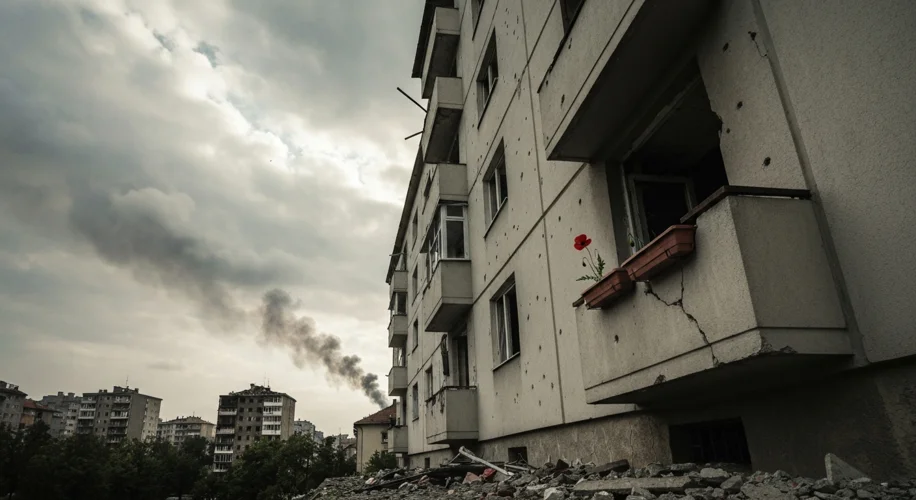
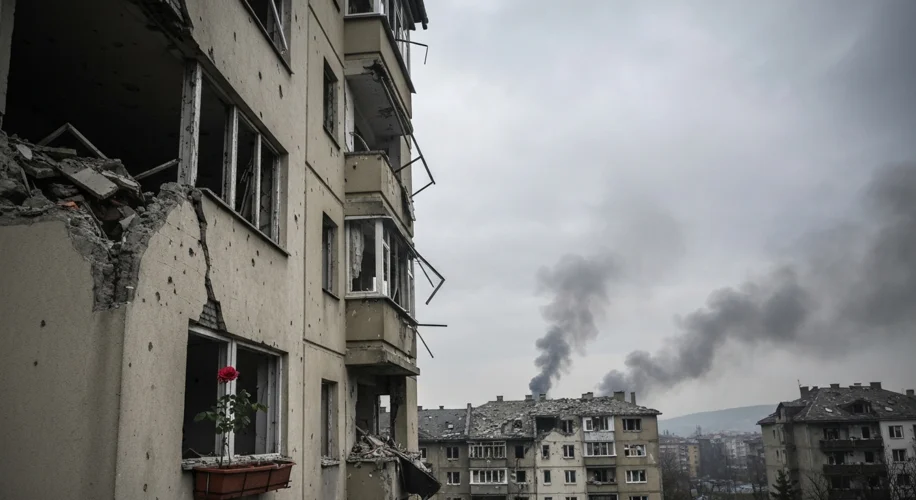
The war itself was characterized by brutal sieges, scorched-earth tactics, and systematic campaigns of terror. Sarajevo, the capital, endured a siege longer than any other in modern history, its citizens surviving on dwindling supplies, enduring constant shelling and sniper fire. The beauty of the city was replaced by a landscape of rubble and fear.
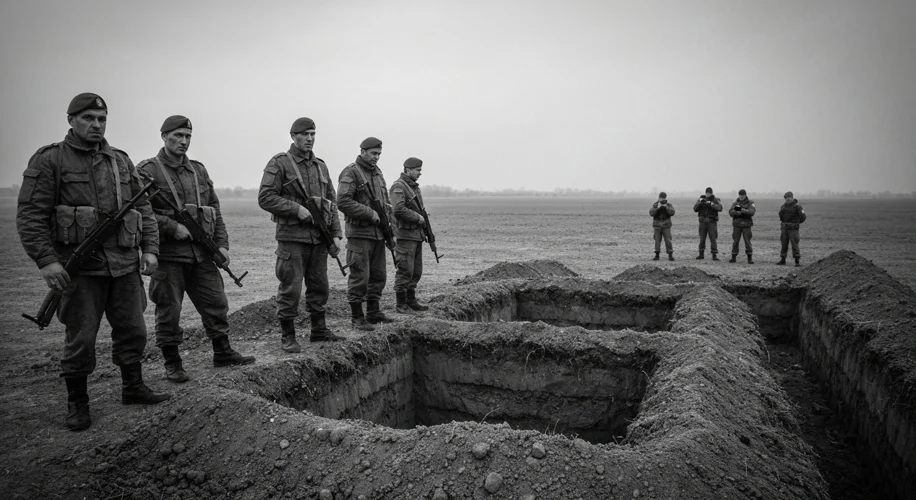
One of the most harrowing chapters of the war unfolded in Srebrenica in July 1995. Under the guise of a UN ‘safe area,’ thousands of Bosniak men and boys were systematically murdered by Bosnian Serb forces led by General Mladić. It was the single worst atrocity in Europe since World War II, a stark testament to the depths of human depravity.
The fighting also saw brutal inter-ethnic clashes, particularly between Bosniaks and Croats at various points, turning former allies into enemies in a complex web of shifting alliances. The strategic city of Mostar, with its iconic bridge, became a symbol of this fracturing, battered and divided.
The consequences of the Bosnian War were devastating. Tens of thousands were killed, and over two million people were displaced, their lives shattered, their homes destroyed. The ethno-nationalist ideologies that fueled the conflict left deep wounds, severing generations of intermingled heritage. The international community’s response, often criticized for its hesitancy and ineffectiveness, led to a re-evaluation of humanitarian intervention and the responsibility to protect.
The Dayton Peace Accords, signed in November 1995, brought an end to the fighting, but the scars of war run deep. Bosnia and Herzegovina today remains a complex, politically divided nation, a constant reminder of the fragility of peace and the enduring pain of ethnic conflict.
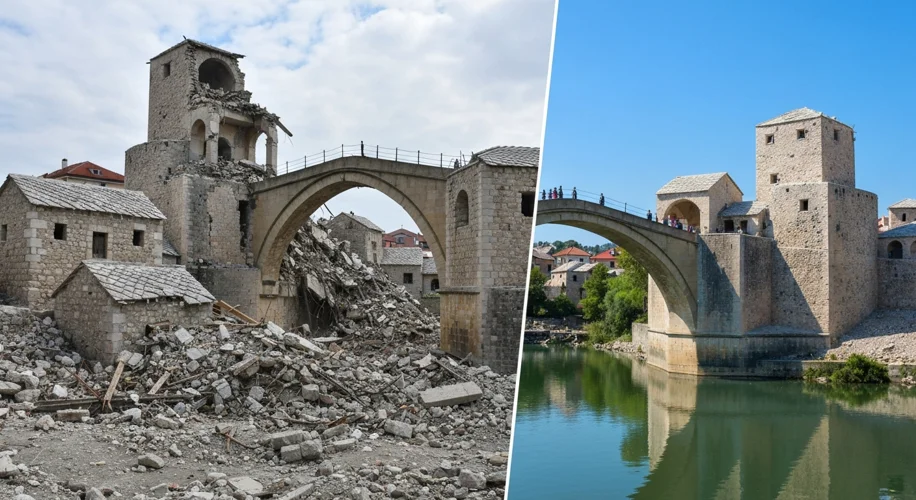
The Bosnian War serves as a chilling historical case study: a stark reminder of how unchecked nationalism, historical revisionism, and international indecision can pave the way for unimaginable tragedy. It’s a story etched in the ruins of cities, in the testimonies of survivors, and in the collective conscience of a world that, in the face of such horror, learned a brutal lesson about the cost of hatred.