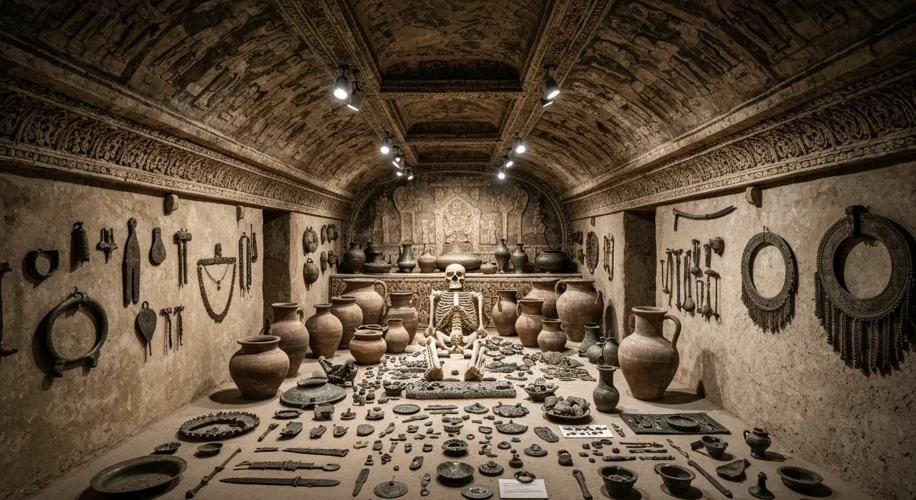
The earth, a silent keeper of ages, occasionally yields its secrets, offering us tangible whispers from millennia past. Recently, archaeologists in Iran have been granted such a gift: the unearthing of a remarkably preserved Bronze Age burial. This discovery is not merely a collection of ancient artifacts; it’s a portal, inviting us to peer into the lives, beliefs, and social structures of a civilization that flourished over four thousand years ago.
The Bronze Age, a transformative period in human history, marked a significant leap forward with the mastery of metalworking. In Iran, this era, roughly spanning from the 3rd to the 2nd millennium BCE, was a time of burgeoning city-states, sophisticated trade networks, and evolving religious practices. The specific region where this burial was found, while details are still emerging, is known for its rich archaeological heritage, hinting at a vibrant cultural landscape during this epoch.
At the heart of this discovery lies the deceased, an individual whose final resting place has preserved a fascinating narrative. The grave goods accompanying them are particularly telling. Among the unearthed treasures are intricately crafted pottery, some possibly used for daily life, others perhaps for ritualistic purposes. Metal objects, including bronze implements and perhaps even decorative items, speak volumes about the technological prowess and access to resources of the time. The presence of beads and ornaments suggests an appreciation for adornment, potentially indicating social status or personal identity.
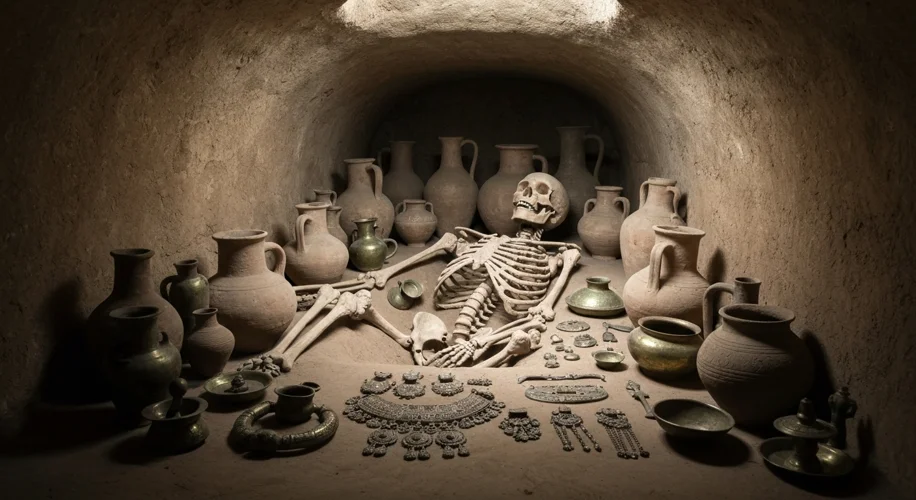
The meticulous arrangement of these items around the deceased is a key aspect of the discovery. Archaeologists interpret such placements as reflections of beliefs about the afterlife. Were these objects intended to accompany the individual in their journey beyond death? Did they serve a symbolic purpose, representing their earthly status or skills? The answers, pieced together from such details, paint a picture of a society that held specific views on mortality and the continuum of existence.
One of the most compelling aspects of such finds is what they reveal about individual lives within a broader societal context. Who was this person? Were they a warrior, a craftsperson, a leader, or perhaps a revered member of the community? The type and quality of the grave goods can offer clues. For instance, the presence of weapons might suggest a martial background, while finely worked jewelry could point to a person of high social standing. Even the composition of the pottery, sometimes indicating the types of food or drink consumed, can offer glimpses into daily routines.
The implications of this discovery extend beyond understanding a single individual. It contributes to a larger mosaic of Bronze Age Iran. Such burials help us trace trade routes through the materials used, understand artistic styles and their evolution, and even shed light on ritualistic practices that may have been widespread. By comparing this burial with others found in different regions or from slightly different periods, historians and archaeologists can identify patterns, regional variations, and the broader cultural currents that shaped ancient Iranian society.
This rich Bronze Age burial is more than just an archaeological find; it’s a testament to the enduring human need to commemorate, to believe, and to leave a mark upon the world. As researchers continue to study these artifacts, they unlock more chapters of a story that has long been buried, allowing the echoes of the past to resonate with us today.