For centuries, a silent torment plagued the sun-baked villages of Africa and parts of Asia. It was a curse whispered in fear, a disease known by many names: the ‘fiery serpent,’ the ‘harbinger of the dragon,’ or more clinically, Dracunculiasis. For up to a year, it would torment its victims, causing excruciating pain as a thick, burning worm, sometimes three feet long, slowly emerged from a blister on their skin. The only relief was to plunge the affected limb into water, a desperate act that, unknowingly, perpetuated the very cycle of suffering.
This was the guinea worm, a parasitic nightmare transmitted through stagnant, contaminated water. When someone with an emerging guinea worm dipped their leg into a pond or well, microscopic larvae would escape into the water, ready to infect the next unsuspecting person who drank from it. The cycle was brutal, leaving communities weakened, their economies crippled by the constant pain and disability. Children couldn’t attend school, adults couldn’t farm, and the very fabric of life frayed under the relentless pressure of this ancient scourge.
But the story of the guinea worm is not just one of suffering; it is a testament to human perseverance and the power of global cooperation. At the forefront of this extraordinary battle was The Carter Center, an organization founded by former U.S. President Jimmy Carter. Driven by a profound commitment to public health, The Carter Center, alongside national governments and countless local health workers, embarked on a mission that many deemed impossible: to eradicate guinea worm disease entirely.
Imagine the sheer grit required. In the late 1980s, guinea worm infected an estimated 3.5 million people annually in 20 countries. The task was monumental. Health workers, often traveling on foot through remote and challenging terrains, had to reach every village, every water source, every person. They faced skepticism, cultural barriers, and the sheer logistical nightmare of mapping and monitoring vast, often inaccessible, regions.
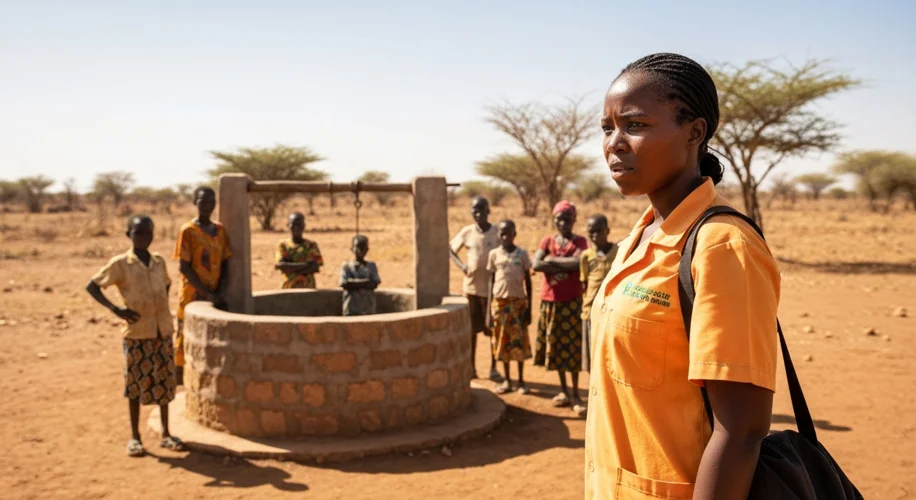
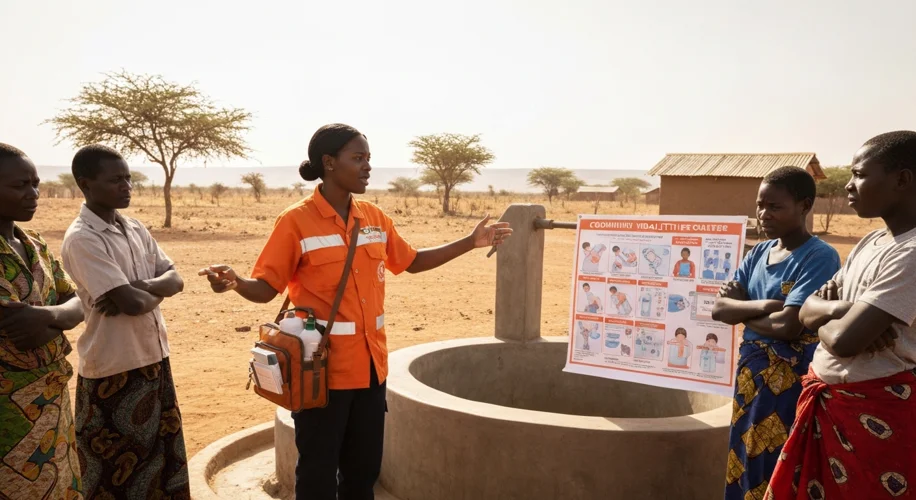
Their strategy was ingenious in its simplicity and devastating in its effectiveness. It centered on prevention and containment. First, they educated communities about the disease’s transmission and how to avoid re-contaminating water sources. This involved teaching people to filter their drinking water using fine-mesh cloth, a simple yet crucial step to remove the larvae. Then came the identification and management of cases. When a worm began to emerge, health workers would guide villagers on how to safely extract it without breaking it, preventing further contamination. They also worked tirelessly to identify and treat all water sources with Abate, an insecticide that kills the water fleas harboring the guinea worm larvae.
The work was arduous. In countries like Sudan, torn by civil war, health workers had to navigate active conflict zones, often braving extreme danger to deliver their life-saving interventions. They learned local languages, built trust with village elders, and became not just health educators but symbols of hope. Their dedication was unwavering, often working in sweltering heat, through monsoons, and across vast, unforgiving landscapes.
Jimmy Carter himself became a tireless advocate, personally visiting affected regions, meeting with leaders, and galvanizing international support. His involvement brought a unique political weight to the campaign, helping to secure funding and ensure that the eradication effort remained a global priority. He understood that eradicating a disease like guinea worm wasn’t just a medical achievement; it was an economic and social liberation for millions.
The results were nothing short of miraculous. By 2000, cases had plummeted to tens of thousands. By 2015, the number of reported cases was below 100. The world held its breath, waiting for the final push. The last known indigenous case of guinea worm disease was reported in Chad in 2015, and the world has been on a long path to certification ever since, with only a handful of isolated human cases and animal cases reported in the years that followed, and no new human cases in 2023. The final hurdles are often the most challenging, with vigilance against imported cases and zoonotic transmission remaining paramount.

What does this victory mean for humanity? It means the end of a disease that has plagued our species for millennia. It means millions of children can now go to school unhindered by pain. It means communities can thrive, their economies revitalized, their futures brighter. It is a powerful demonstration of what can be achieved when science, political will, and grassroots dedication converge. It stands as a shining example for future public health campaigns, proving that even the most entrenched diseases can be defeated.
The eradication of guinea worm disease is not just a historical footnote; it is a living testament to our capacity for compassion and our ability to overcome even the most daunting challenges. It is a silent victory, won not with weapons, but with wisdom, dedication, and a shared dream of a healthier world.