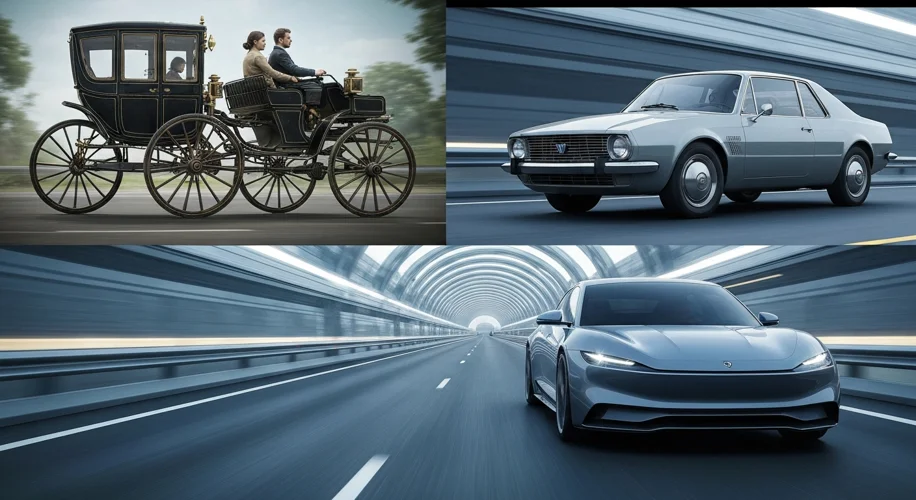
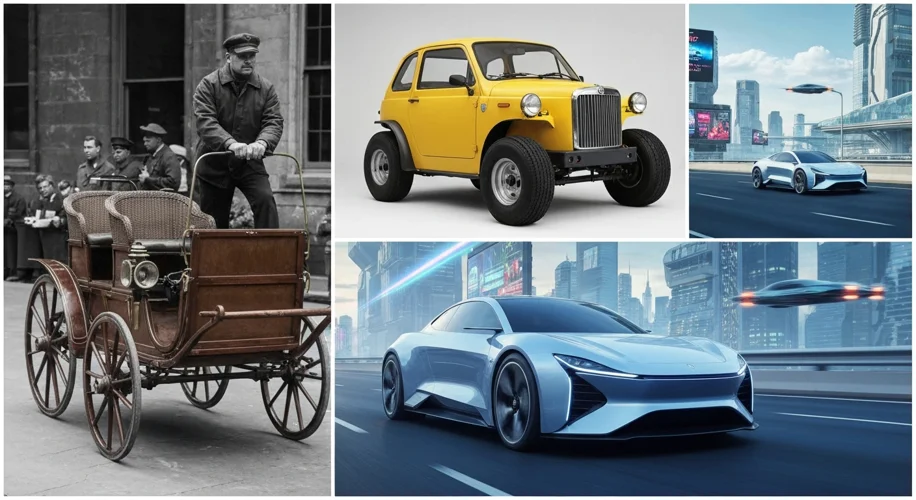
In the bustling twilight of the 19th century, a whisper of innovation began to hum through the cobblestone streets of Europe and America. It wasn’t the familiar clatter of horse-drawn carriages or the nascent chug of steam engines, but a quiet, almost ethereal movement. This was the dawn of the electric vehicle (EV), a revolutionary concept that promised a cleaner, more refined mode of transport.
The year is 1890. Imagine a world where the air is thick with the smell of coal smoke and horse manure, where the loudest sounds are the clip-clop of hooves and the hiss of steam. Into this sensory landscape glided the first electric carriages. These weren’t the sleek machines we know today, but experimental contraptions, often resembling elegant phaetons or sturdy buggies, powered by bulky lead-acid batteries. Inventors like William Morrison in the United States and Gustave Trouvé in France were captivated by the potential of electricity. Trouvé, in fact, famously demonstrated his self-powered tricycle at the International Exposition of Electricity in Paris in 1881 – a silent, fume-free marvel that turned heads.
Why were these early EVs so appealing? For starters, they were remarkably easy to operate compared to their gasoline counterparts. No messy hand-cranking to start an engine, no frequent gear shifting. Simply turn a key, and away you went. They were also far quieter and smoother, offering a luxurious ride that gas-powered cars, with their jarring vibrations and deafening roars, couldn’t match. For urban dwellers, especially women who found the physical demands of early gasoline cars daunting, EVs offered a newfound sense of freedom and independence.
By the turn of the 20th century, EVs were not just novelties; they were viable contenders. Companies like Columbia Automobile Company, Baker Electric, and Detroit Electric were producing and selling thousands of vehicles. Thomas Edison himself was a staunch believer in electric power, even experimenting with improved battery designs. By 1900, electric cars accounted for a significant portion of the vehicles on American roads – estimates suggest around 40% of all cars were electric, with gasoline and steam making up the rest. New York City’s taxi fleets were dominated by electric vehicles, a testament to their reliability and practicality.
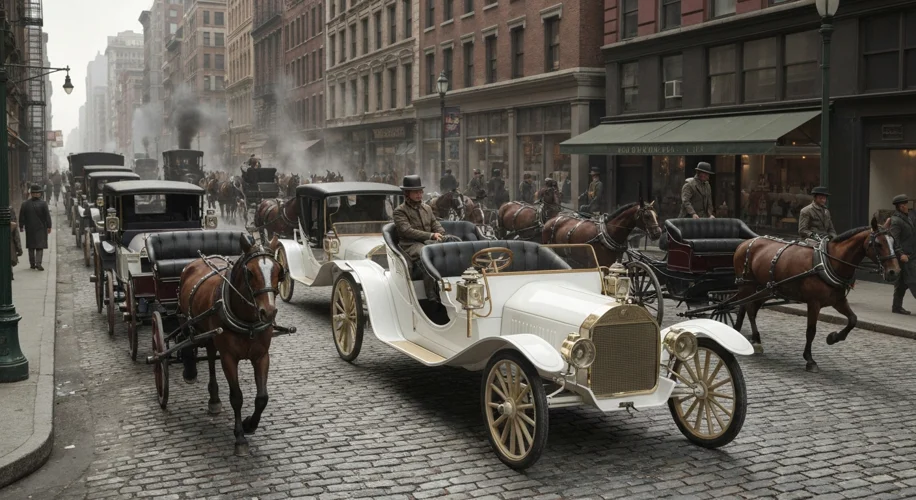
But as quickly as they rose, the fortunes of the electric car began to wane. Several factors converged to push EVs into the shadows. The discovery of vast petroleum reserves made gasoline cheaper and more readily available. The invention of the electric starter by Charles Kettering in 1912 eliminated the need for hand-cranking gasoline engines, removing a major advantage of EVs. Furthermore, Henry Ford’s mass-production techniques for the Model T made gasoline cars significantly more affordable, putting them within reach of the average American.
The infrastructure also played a crucial role. Gasoline stations began to proliferate along highways, while charging infrastructure for electric cars remained scarce and rudimentary. EVs were also generally limited in range and speed, making them less practical for longer journeys that were becoming increasingly popular. By the 1930s, electric cars had all but disappeared from the roads, relegated to niche uses like milk floats and golf carts.
For decades, the internal combustion engine reigned supreme. EVs became a relic of the past, a curious footnote in automotive history. Yet, the seeds of their potential had been sown, and as the 20th century drew to a close, a new set of challenges arose – growing concerns about air pollution and the finite nature of fossil fuels. The quiet hum of the electric motor began to echo once more.
The oil crises of the 1970s provided an early jolt, sparking renewed interest in alternative fuels, including electricity. Automakers experimented with limited-production EVs, but the technology, particularly battery storage, hadn’t yet caught up. It wasn’t until the dawn of the 21st century, fueled by advancements in lithium-ion battery technology and a global commitment to reducing carbon emissions, that the electric vehicle truly began its comeback.
Companies like Tesla, founded in 2003, championed the idea of high-performance, long-range EVs, challenging the established automotive giants. Their success forced traditional automakers to take electrification seriously. Today, in 2026, electric vehicles are no longer a niche product but a rapidly growing segment of the automotive market. From the experimental carriages of the late 19th century to the sophisticated machines of today, the history of the electric vehicle is a compelling narrative of innovation, societal influence, and the enduring quest for a sustainable future. The spark ignited over a century ago is now fanning into a powerful flame, reshaping the very landscape of personal transportation.