
The alarm clock shrieks. You groan, pull the covers tighter, and glance at the glowing digits. 6:00 AM. Still dark. But wait, something’s different. The sun, that grand celestial timepiece, feels a little… off. It’s that peculiar time of year when we collectively nudge our clocks forward, a ritual that has sparked debates and reshaped our daily lives for over a century. This is the story of Daylight Saving Time (DST), a practice born from a desire to harness the sun’s bounty, but one that has proven surprisingly contentious.
Our modern obsession with precisely measuring time is a relatively recent phenomenon. For millennia, the rhythm of life was dictated by the sun’s arc across the sky. As societies grew more complex and industrialized, however, the need for synchronization became paramount. Yet, the idea of actively changing that natural rhythm? That was a step few considered until the late 19th century.
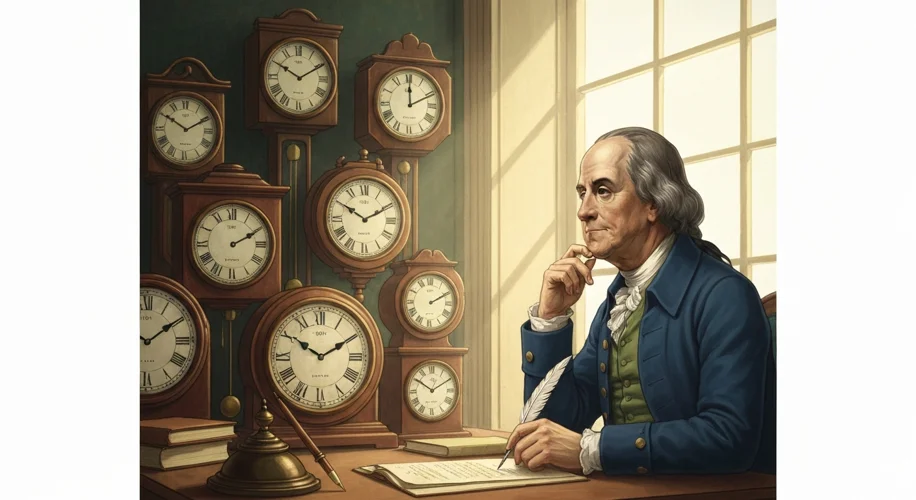
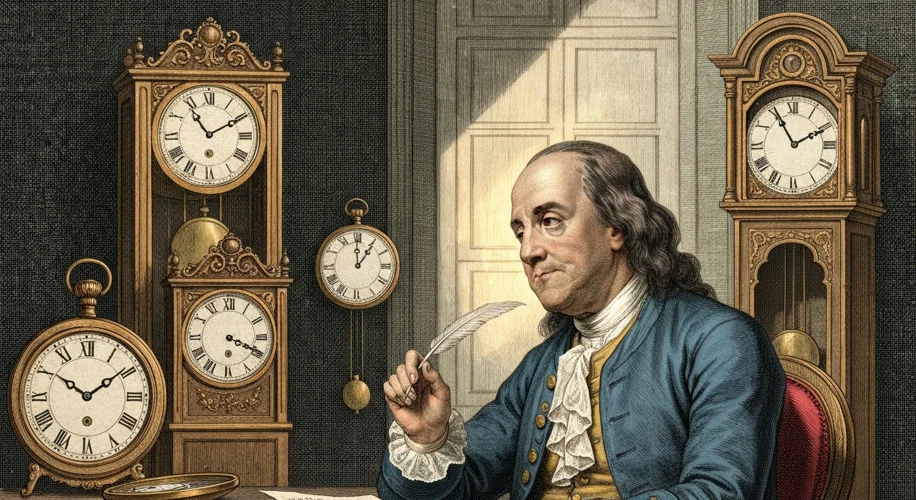
One of the earliest proponents of what we now know as Daylight Saving Time was none other than the polymath Benjamin Franklin. In a satirical essay penned in 1784, he jested about Parisians’ lazy mornings, suggesting that if they rose earlier, they could save on candle usage. While Franklin’s proposal was largely a humorous critique, it planted a seed. Decades later, in 1907, William Willett, a British builder and avid golfer, independently proposed a more concrete plan. He was frustrated by the wasted daylight hours of summer evenings, which cut short his golf games. Willett campaigned tirelessly, even publishing a pamphlet titled “The Waste of Daylight,” advocating for clocks to be advanced by 80 minutes during the summer months.
Willett’s efforts, though met with considerable resistance, laid the groundwork. The true impetus for DST, however, arrived with the thundering dawn of World War I. Germany, facing immense wartime pressures and seeking ways to conserve coal and energy, became the first nation to officially implement a nationwide DST system on April 30, 1916. The logic was simple: by shifting clocks forward, people would spend more time outdoors in the evenings, reducing the need for artificial lighting and thus saving precious fuel. Other Central Powers, like Austria-Hungary and later the United Kingdom, soon followed suit.
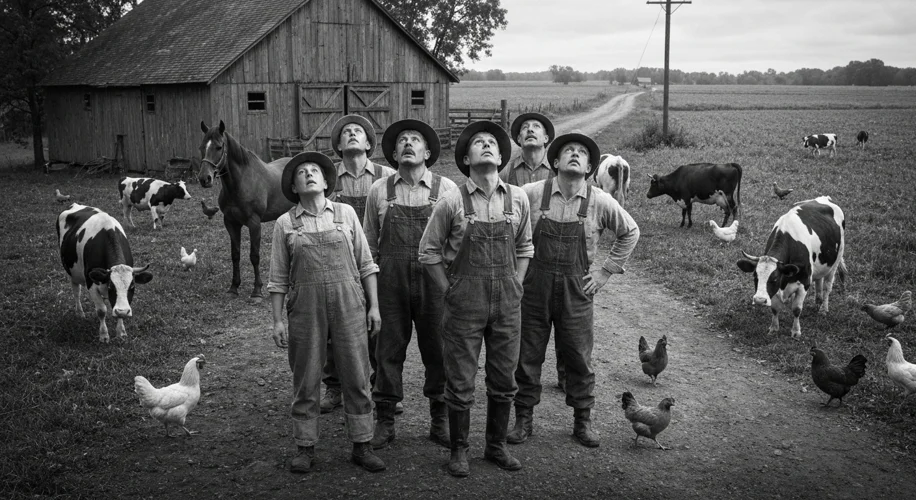
The United States, initially hesitant, officially adopted DST with the Standard Time Act of 1918. However, the practice proved deeply unpopular with many, particularly farmers who argued it disrupted their farming schedules and made it harder to tend to their livestock. The law was repealed in 1919, only to be reintroduced by necessity during World War II under the “War Time” banner to conserve energy once more. After the war, DST became a matter of local option, leading to a chaotic patchwork of time zones across the country.
It wasn’t until the Uniform Time Act of 1966 that the United States established a standardized system for DST, allowing states to opt out but federally mandating the dates for the rest of the country. This act aimed to bring order to the temporal chaos, but the debate was far from over.
Proponents of DST argue that it leads to significant energy savings, reduces traffic accidents and crime (due to more daylight in the evenings), and provides more opportunities for outdoor recreation. The logic follows that longer daylight hours in the evening encourage people to be more active and less reliant on electricity.
However, critics point to a growing body of evidence suggesting that the energy savings are minimal, if they exist at all. In fact, some studies indicate that DST might actually increase energy consumption due to greater use of air conditioning in warmer afternoons and increased morning usage of heating. Furthermore, the disruption to our natural sleep-wake cycles, or circadian rhythms, has been linked to increased rates of heart attacks, strokes, and workplace accidents in the days following the time change. The farmers’ age-old complaints about disrupted routines still resonate, as many industries and professions find their schedules thrown into disarray.
The debate over Daylight Saving Time continues to this day. While it remains a deeply ingrained part of our annual calendar, its efficacy and impact are constantly being re-evaluated. As we adjust our clocks twice a year, we are reminded of humanity’s enduring quest to synchronize our lives with the natural world – and the complex, often unforeseen consequences of trying to master time itself.
From a witty essay by an American statesman to a wartime energy-saving measure, Daylight Saving Time has evolved into a global practice, woven into the fabric of modern life. Yet, its true benefits and drawbacks remain a subject of ongoing historical and scientific inquiry, proving that even the simplest adjustments to our clocks can have profound and lasting effects.