
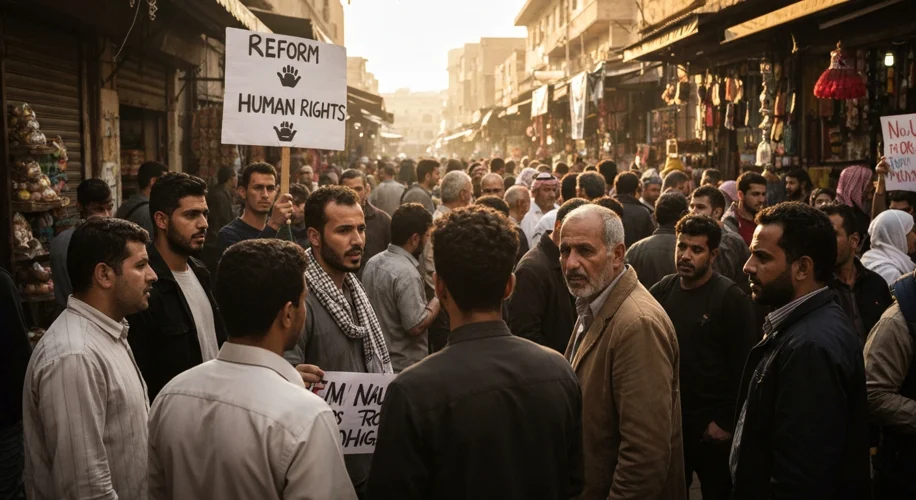
The year is 2010. The Middle East, a region steeped in ancient history and vibrant cultures, appears, on the surface, to be a landscape of stability, albeit a rigid one. Decades of authoritarian rule, often propped up by external powers, had fostered an environment where dissent was a dangerous whisper, not a public roar. Yet, beneath this veneer of control, currents of discontent were gathering, fed by a long history of political stagnation, economic hardship, and social injustice. These were the unacknowledged precursors to the seismic shifts that would soon engulf the region in what the world would come to know as the Arab Spring.
To understand the Arab Spring, we must look beyond the initial sparks of 2011 and delve into the decades that preceded it. The culture of many Arab nations, while diverse, often placed a high value on dignity, honor, and community. For many, living under regimes that seemed to systematically erode these values – through corruption, cronyism, and the suppression of basic freedoms – was a profound insult. Economic disparities were stark. While a select few enjoyed immense wealth, often linked to ruling elites or lucrative state contracts, vast swathes of the population, particularly the youth, faced soaring unemployment, rising food prices, and a bleak future. The demographic reality was a young population, educated but underemployed, increasingly connected through burgeoning mobile phone networks and the nascent internet, where information, and more importantly, shared grievances, could spread with unprecedented speed.
The historical context is crucial. Many of the regimes that dominated the Middle East in the late 20th and early 21st centuries emerged in the post-colonial era. Often, they were military dictatorships or monarchies that prioritized security and control over democratic participation. The Cold War further entrenched this status quo, with superpowers backing autocratic allies to counter regional rivals. This created a generation of leaders accustomed to absolute power, resistant to reform, and adept at using state security apparatus to quash any opposition. The lack of legitimate channels for political expression meant that grievances festered, building pressure like steam in a sealed kettle.
Key actors in this unfolding drama were not just the aging autocrats, but also the educated, frustrated youth, the burgeoning middle class yearning for opportunity, and importantly, women, whose rights and participation in public life had been a slow and often contested journey. Movements advocating for women’s rights, though often operating in the shadows or facing severe restrictions, had been chipping away at patriarchal structures for decades. These women, and their male allies, championed causes ranging from legal reforms to increased access to education and employment. Their activism, though not always directly political in a revolutionary sense, fostered a culture of rights advocacy and challenged the status quo. Figures like Nawal El Saadawi in Egypt, a fierce critic of patriarchal traditions and state repression, or the many unnamed activists organizing clandestine reading groups and women’s shelters, represent this vital, yet often overlooked, lineage of resistance.
The seeds of unrest were sown in various forms. Frustration with electoral fraud was a recurring theme in many countries, where elections were often mere formalities designed to legitimize existing power structures. The arbitrary nature of state power, the constant threat of arbitrary arrest, and the pervasive corruption created a deep-seated cynicism towards authority. For instance, in Tunisia, the self-immolation of Mohamed Bouazizi in December 2010, a young fruit vendor driven to despair by harassment and confiscation of his goods, was not an isolated incident. It was a tragic culmination of years of economic hardship and humiliation that resonated deeply with a population tired of corruption and lack of opportunity.
The consequences of this simmering discontent were profound, though not immediately apparent. The social and political fabric of the region was stretched thin. The lack of avenues for peaceful change meant that when the pressure finally broke, it did so with explosive force. The Arab Spring, when it erupted in late 2010 and early 2011, was not a sudden, spontaneous event. It was the overdue eruption of decades of suppressed grievances, amplified by new technologies and a generation emboldened by the perceived weakness of their rulers and inspired by the initial successes in Tunisia and Egypt.
Analyzing this period, we see a complex interplay of historical forces. The legacy of colonialism, the pressures of economic globalization, the demographic bulge of young people, and the increasing connectivity of the digital age all converged. The Arab Spring, in its early stages, was a testament to the enduring human desire for dignity, justice, and self-determination. It was a powerful reminder that even the most entrenched authoritarian regimes can be vulnerable when the people they govern decide that the whispers of discontent have finally become too loud to ignore. The movements were diverse, their trajectories varied, but their roots lay deep in the soil of past struggles for rights and freedoms, a history that deserves to be told and remembered.