
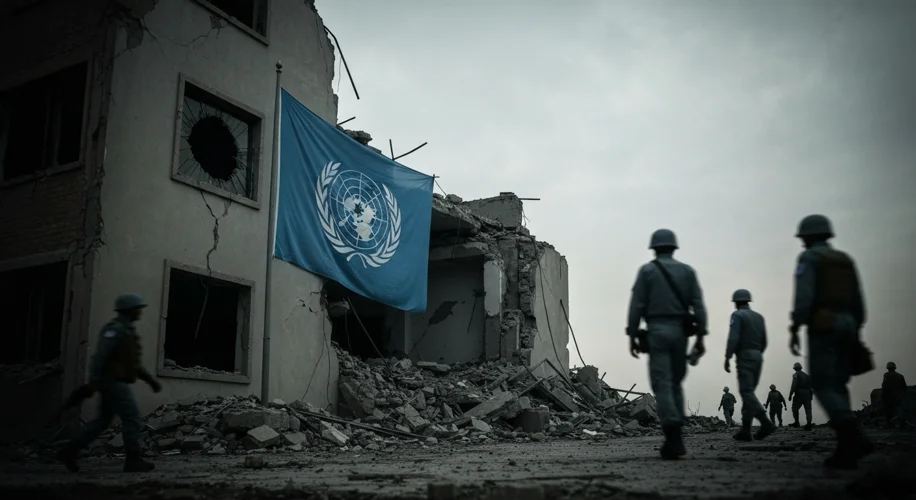
The final decade of the 20th century dawned with a sense of unbridled optimism. The Cold War, that decades-long ideological chess match played out on the global stage, had seemingly concluded. The monolithic Soviet Union crumbled, leaving the United States as the sole superpower. In this new unipolar world, many believed that the international community, freed from the paralyzing threat of mutually assured destruction, would finally be able to address pressing global issues, particularly humanitarian crises.
But history, as it so often does, proved more complex. The optimism of the early 1990s soon met the brutal realities of ethnic cleansing, civil war, and genocide. The question that loomed large was no longer if the world could intervene in such crises, but if it would, and under what conditions.
The Ghosts of Rwanda and Bosnia
The late 20th century presented a series of harrowing case studies in the agonizing calculus of humanitarian intervention. The Rwandan genocide of 1994, a horrific slaughter of an estimated 800,000 Tutsis and moderate Hutus in just 100 days, stands as a stark and devastating indictment of international inaction. Despite clear warnings and ample evidence of escalating violence, the United Nations, hampered by political divisions and a lack of political will among its powerful member states, failed to mount an effective intervention.
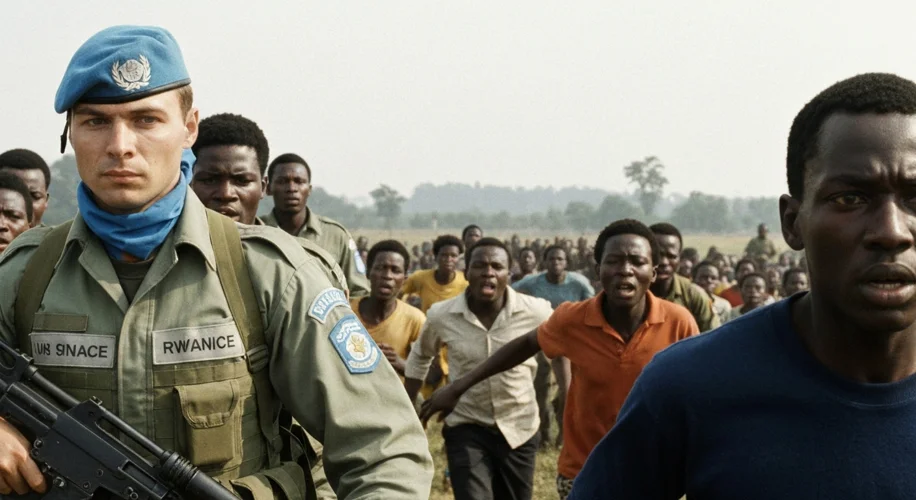
The international community’s response, or rather its lack thereof, was a profound moral failure. Debates raged afterwards about the legal and ethical justifications for intervention, the definition of sovereignty, and the responsibility of states to protect populations from mass atrocities within their own borders. The term ‘genocide’ was agonizingly avoided by some for fear of triggering intervention obligations, a chilling testament to the political maneuvering that often trumps human lives.
Simultaneously, the brutal disintegration of Yugoslavia offered another agonizing dilemma. The Bosnian War (1992-1995) saw widespread ethnic cleansing and horrific war crimes, including the Srebrenica massacre. While a NATO-led intervention eventually occurred, it was delayed, hesitant, and arguably too late to prevent immense suffering.
The decision-making processes during these crises were fraught with tension. Key actors, including the United States, France, and the United Kingdom, grappled with competing national interests, the potential for their own soldiers to be placed in harm’s way, and the ever-present fear of mission creep. Should intervention be solely for humanitarian purposes, or should it serve broader geopolitical goals? Who would authorize such actions, and what would be the criteria for success?
The Kosovo Precedent: A Humanitarian Imperative or a Slippery Slope?
Perhaps the most defining intervention of the late 20th century was NATO’s campaign against Serbia in 1999 over Kosovo. Faced with Serbian President Slobodan Milošević’s brutal crackdown on ethnic Albanians, NATO launched a bombing campaign without a explicit UN Security Council resolution, citing humanitarian necessity. This unilateral action, while lauded by some as a necessary intervention to prevent further atrocities, was also heavily criticized by others, including Russia and China, as a violation of international law and an assertion of Western dominance.
This intervention raised critical questions about the future of international relations. Was this the dawn of a new era of ‘humanitarian interventionism,’ where powerful states could bypass traditional legal norms when faced with egregious human rights abuses? Or was it a dangerous precedent that could be misused to advance national interests under the guise of humanitarianism? The debate continues to this day.
The Lingering Questions
The late 20th century’s engagement with humanitarian crises left an indelible mark on international relations. It exposed the deep-seated tensions between state sovereignty and the international community’s responsibility to protect. It highlighted the immense difficulty in translating moral imperatives into effective political action, especially when faced with complex geopolitical landscapes and conflicting national interests.
As we look back from today, the lessons of Rwanda, Bosnia, and Kosovo remain profoundly relevant. They serve as a constant reminder that in a world where humanitarian crises continue to erupt, the international community faces an ongoing, agonizing struggle to find the right balance between non-interference and the urgent call to conscience. The sands of conscience, it seems, are always shifting, and the decisions made in the shadow of such crises continue to shape our world.