

Imagine a world ruled by titans, their colossal forms casting shadows across ancient landscapes. Now imagine these magnificent creatures, the very embodiment of prehistoric power, suffering from a debilitating disease that twisted and ravaged their very bones. This isn’t the stuff of nightmares; it’s a glimpse into the harsh realities faced by some of Brazil’s most awe-inspiring dinosaur inhabitants.
For decades, paleontologists have been piecing together the lives of these magnificent beasts, primarily through the silent testimony of their fossilized remains. But recently, a discovery in the heart of Brazil has shed a chilling light on their health and the very real struggles they endured. The fossils of several sauropod dinosaurs, the long-necked, herbivorous giants that roamed the land millions of years ago, have revealed undeniable evidence of a severe bone disease, a condition known as osteomyelitis.
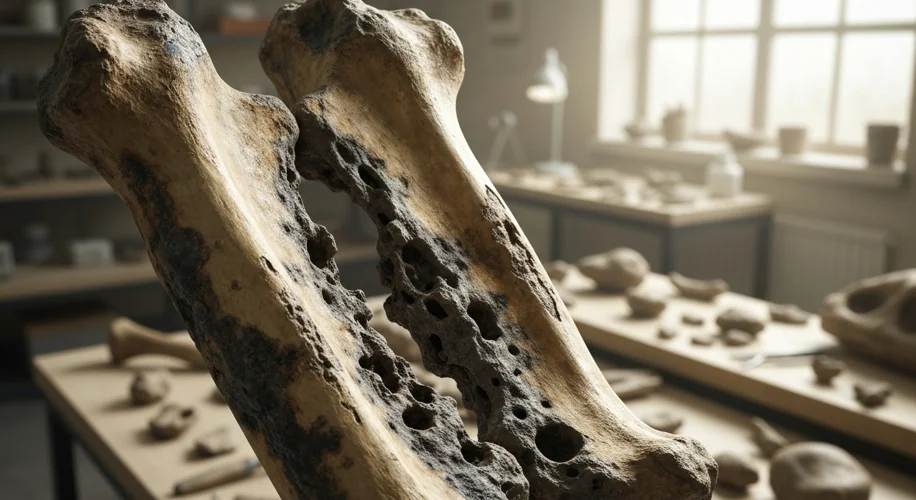
Osteomyelitis is a formidable adversary, even in modern times. It’s an infection of the bone, often caused by bacteria that enter the bloodstream or directly into the bone through an injury. In these ancient sauropods, the infection likely took hold, spreading through the marrow and causing immense pain, inflammation, and structural damage. The sheer size of these creatures, some of which may have weighed as much as a commercial airliner, would have made the progression and impact of such an infection all the more devastating.
The discovery was made by a team of Brazilian paleontologists, meticulously examining fossilized bones unearthed from various sites across the country. The tell-tale signs were unmistakable: thickened bone walls, evidence of new bone formation in response to infection, and in some cases, holes or cavities within the bone structure itself – clear indicators of chronic inflammation and battle scars from the body’s fight against the pathogen.
One particularly striking example comes from the remains of an Austroposeidon magnificus, a titanosaur sauropod estimated to have reached lengths of up to 25 meters (82 feet). The femur, or thigh bone, of one specimen showed extensive damage, suggesting a prolonged and painful infection. The sheer mass of this animal meant that any injury or infection would have been amplified by the immense pressure and stress placed upon its skeletal structure. Imagine the agony of simply walking, each step a potential torment.
The implications of this discovery are profound. It moves beyond simply understanding the anatomy of these creatures and delves into their lived experiences. These were not simply unfeeling automatons; they were living, breathing beings susceptible to illness and injury, just like any other animal. This finding offers a poignant counterpoint to the often-romanticized image of dinosaurs as invincible monsters.
The prevalence of osteomyelitis in multiple specimens suggests that this was not an isolated incident but potentially a widespread health issue within these sauropod populations. Why might this be the case? Several factors could have contributed. Perhaps their immense size made them more vulnerable to certain types of injuries, or maybe their diet, while abundant, lacked certain nutritional elements that could bolster bone health and immune response.
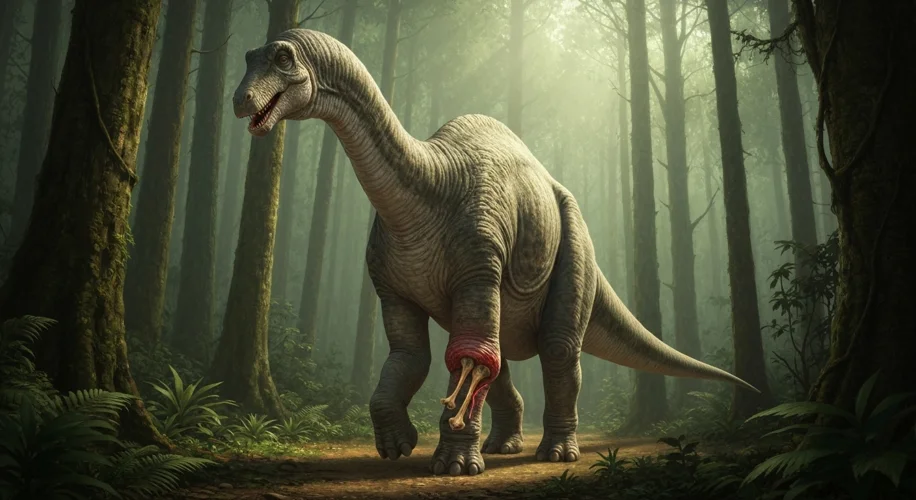
Consider the potential for injuries sustained during their lives. While they were herbivores, their sheer size could have led to accidental falls or collisions with vegetation and terrain. A small fracture, a minor wound, could have provided a gateway for opportunistic bacteria. The immense weight of their bodies would also have placed incredible stress on their limbs, making even minor joint issues potentially debilitating.
The presence of such a severe disease raises questions about their behavior and social structures. Did herds isolate sick individuals to prevent the spread of infection? Or did the strong bonds within a herd mean that the healthy cared for the ailing, a surprisingly human-like instinct in these ancient reptiles?
This discovery is a testament to the power of paleontology to reveal the nuanced realities of prehistoric life. It reminds us that even the most colossal of creatures were subject to the same fundamental biological challenges that face life on Earth today. The fossilized bones, once merely geological curiosities, now speak of pain, resilience, and the constant, ancient struggle for survival. It’s a powerful reminder that history isn’t just about grand events and mighty rulers, but also about the silent, often unseen, battles fought by every living thing, stretching back to the dawn of time.
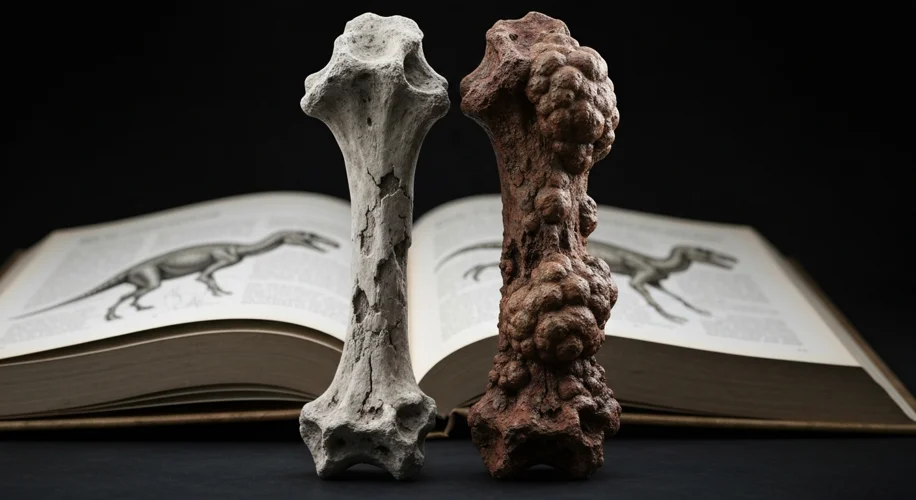
The ongoing study of these infected fossils promises to further illuminate the health of dinosaurs and the ancient ecosystems they inhabited, offering a more complete and, at times, more somber picture of their world.