
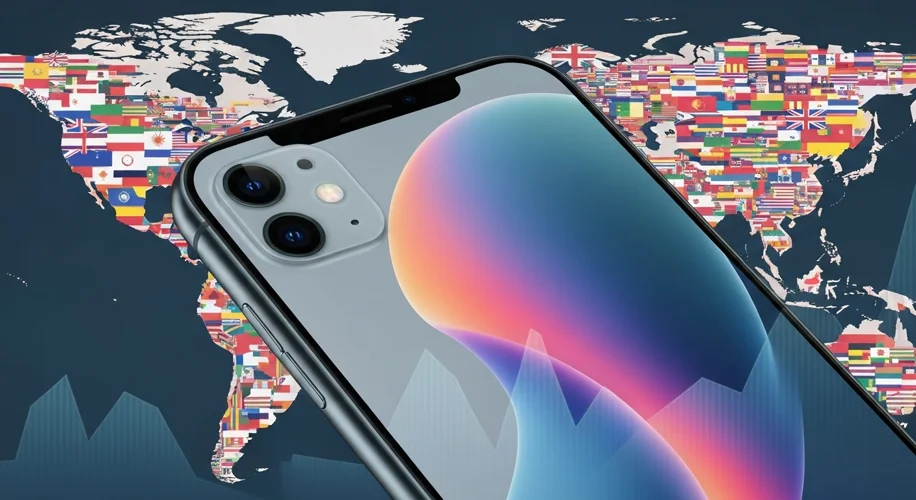
The crisp autumn air of September 2025 carries with it the familiar buzz of anticipation. Today, the world waits with bated breath for Apple to unveil its latest iPhone. Yet, beneath the polished surface of technological advancement, a familiar specter looms: the shadow of trade wars. For years, these geopolitical skirmishes, often characterized by tit-for-tat tariffs and escalating rhetoric, have cast a long and unpredictable shadow over global commerce, and the technology sector, with its intricate supply chains and global manufacturing, has often found itself squarely in the crosshairs.
Imagine a world where the sleek, powerful device in your hand – a portal to information, connection, and entertainment – suddenly bears a heftier price tag, not due to its groundbreaking features, but because of a diplomatic dispute thousands of miles away. This is the reality that consumers and manufacturers have increasingly faced. The genesis of this particular tension can be traced back to the trade policies enacted in the late 2010s, a period marked by a significant shift in global economic relations. The United States, under the Trump administration, initiated a series of tariffs on goods imported from China, a move aimed at rebalancing trade deficits and encouraging domestic manufacturing. China, in turn, retaliated with its own set of tariffs.
For a company like Apple, whose iPhones are largely assembled in China, this created a precarious balancing act. The key actors in this drama were not just the political leaders making pronouncements, but also the legions of workers in factories, the engineers meticulously designing components, and ultimately, the end consumer. From Apple’s perspective, the primary concern was maintaining its profit margins and ensuring its products remained accessible to its vast customer base. The company’s strategy often involved absorbing some of the increased costs, a move that gnawed at profitability, or passing those costs onto consumers, risking a dip in sales. The Chinese government, meanwhile, saw the tariffs as an opportunity to exert economic pressure and potentially push manufacturing away from its shores. American consumers, caught in the middle, faced the prospect of paying more for the technology they had come to rely on.
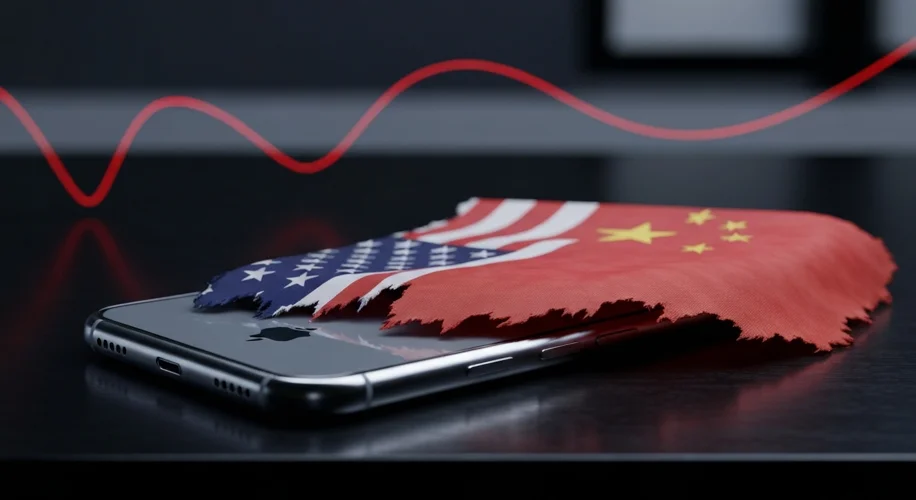
The impact of these trade wars on technology pricing, using the iPhone as a prime example, is a complex narrative of economic disruption and strategic adaptation. When tariffs are imposed on components or finished goods, the cost of production inevitably rises. For an industry that thrives on razor-thin margins and fierce competition, even a small increase can have significant repercussions. Apple, for instance, has been vocal about its concerns regarding tariffs, highlighting the potential for higher prices and reduced demand. This isn’t merely theoretical; in previous instances, as tariffs on Chinese imports increased, there were reports that Apple considered shifting some of its production outside of China to mitigate the impact. This involved exploring manufacturing options in countries like Vietnam and India, a testament to the far-reaching consequences of these trade policies.
The underlying issue is the interconnectedness of the global economy. The iPhone, a symbol of American innovation, is a product of a globalized supply chain. Components are sourced from various countries, including Japan, South Korea, and Taiwan, before being assembled in China. A trade dispute between two major economic powers like the U.S. and China can disrupt this delicate ecosystem, leading to increased costs, delays, and uncertainty. The argument often made by proponents of tariffs is that they protect domestic industries and jobs. However, in the case of high-tech manufacturing, where complex global networks are essential, such policies can inadvertently stifle innovation and penalize consumers.
Analyzing this phenomenon reveals a critical lesson: geopolitical tensions and trade policies have a tangible, and often unwelcome, impact on the price of the technologies we use every day. The iPhone, in this context, becomes more than just a smartphone; it’s a case study in the intricate dance between international relations, global economics, and consumer affordability. As we await the unveiling of the latest iPhone, the question remains: will the specter of trade wars once again dictate a higher price for innovation, or will the industry find new ways to navigate these turbulent economic waters? The answer, as history has shown, is rarely simple, and often comes with a significant cost.
This isn’t just about the price of a phone; it’s a reflection of how global politics can reach into our pockets and influence the very tools we use to connect with the world. The history of trade wars and their impact on technology pricing is a continuing story, one that will undoubtedly shape the future of innovation and consumption for years to come.