

The modern city, a symphony of progress and human endeavor, can too often devolve into a discordant cacophony. The relentless hum of traffic, the jarring shouts of street vendors, the piercing wail of sirens – these are the sounds that bombard us daily, shaping our urban existence. For many, the city is a sensory overload, a place that can fray nerves and drain the spirit. But what if our cities could be designed not just for efficiency, but for well-being? What if the very fabric of urban life could be woven with a more mindful consideration for our senses?
Minnesota is embarking on a bold experiment to answer these questions. In a move that could redefine urban planning, the state is exploring innovative strategies to recalibrate the sensory experience of its cities, aiming to transform them from potential stress zones into havens of calm and restoration.
Historically, the evolution of cities has been driven by a multitude of factors: economic opportunity, defense, transportation, and architectural grandeur. The sensory impact, while always present, has rarely been the primary driver. Think of London in the 19th century. The “Great Stink” of 1858, a period of unusually hot weather that exacerbated the stench of the River Thames, filled with sewage and industrial waste, is a stark reminder of how poor sanitation could create an overwhelming sensory assault. This crisis, however, catalyzed significant change, leading to the development of London’s modern sewer system – a victory of engineering over sensory assault, albeit born from an unpleasant experience.

More recently, the rise of the automobile has fundamentally reshaped urban soundscapes. The constant drone of engines, the blare of horns, and the roar of tires have become the ambient soundtrack of contemporary city life. Similarly, the visual landscape has been transformed by towering skyscrapers, intrusive advertising, and a constant flood of information. Even the tactile experience of a city – the rough pavement, the jarring subway lurches, the crowded jostling – can contribute to a feeling of being overwhelmed.
In Minnesota, the initiative seeks to move beyond merely mitigating the negative sensory impacts. It’s about actively designing for positive sensory engagement. This involves a multi-faceted approach:
- Acoustic Design: Cities are exploring noise-buffering strategies. This could include the strategic planting of trees and vegetation, which absorb sound and provide a visual softening of the urban environment. Building materials with sound-dampening properties are being considered for new construction and renovations. Furthermore, the placement of noise-generating infrastructure, like busy transit hubs or industrial zones, is being re-evaluated to minimize their impact on residential areas.
- Visual Harmony: Beyond simply aesthetic appeal, the goal is to create visual environments that are calming and restorative. This might involve regulating the intensity and placement of outdoor lighting to reduce light pollution and create a more serene nightscape. Urban green spaces are being prioritized, not just for recreation but for their psychological benefits, offering visual respite from the built environment. Thought is also being given to the visual clutter of signage and advertising, with efforts to create more cohesive and less overwhelming streetscapes.
- Olfactory Experience: While often overlooked, the sense of smell plays a crucial role in our perception of place. Minnesota’s planners are considering how to promote pleasant scents, perhaps through the cultivation of fragrant plants in public spaces or the careful management of potential odor sources. This is a delicate balance, aiming to introduce positive olfactory cues without becoming overpowering or artificial.
- Tactile Engagement: The feel of a city matters. This initiative looks at the design of public spaces to include varied textures underfoot, comfortable seating, and the incorporation of natural materials that offer a more pleasing tactile experience. Even the design of street furniture, from benches to lampposts, can contribute to a more welcoming and less abrasive urban feel.
Consider the concept of “quiet zones” within a bustling city, or the integration of “biophilic design” principles – incorporating natural elements into urban structures – as seen in some innovative European cities. These are not just about aesthetics; they are about creating environments that actively support human mental and physical well-being. Studies have shown that exposure to nature, even in urban settings, can reduce stress, improve cognitive function, and boost mood.
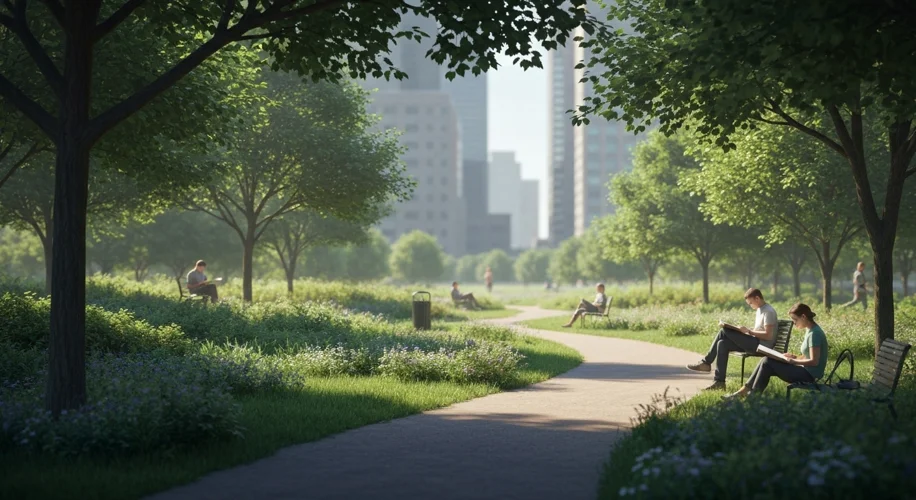
The implications of this sensory-focused urban planning are far-reaching. For residents, it promises a more pleasant and less stressful daily life. For businesses, it could lead to more vibrant and inviting commercial districts. For communities, it could foster a greater sense of connection and well-being. This is not merely about making cities quieter or prettier; it’s about recognizing that the human experience within an urban environment is deeply intertwined with our sensory perceptions.
Minnesota’s endeavor is a testament to a growing understanding that cities are more than just concrete and steel; they are living, breathing ecosystems that profoundly impact the human psyche. By actively shaping the sensory symphony of urban life, Minnesota is composing a new narrative for the future of cities – one where well-being and sensory harmony are not afterthoughts, but integral components of the urban design.