In the ever-evolving landscape of personal computing, the operating system (OS) serves as the crucial bridge between human intention and machine execution. While today we might casually benchmark the latest iterations of Windows and Ubuntu, their early days were marked by a far more fundamental struggle for dominance, a narrative steeped in innovation, corporate maneuvering, and the nascent dreams of a connected world.
Let us cast our minds back to a time when the personal computer was not yet ubiquitous, but a burgeoning marvel. The late 1980s and early 1990s were a period of intense technological ferment. Microsoft, under the visionary if sometimes ruthless leadership of Bill Gates, was already a giant in the software world, having achieved massive success with its MS-DOS operating system. Windows, initially a graphical shell atop MS-DOS, was evolving into a true operating system in its own right, aiming to bring a user-friendly, mouse-driven interface to the masses.
On the other side of this burgeoning digital divide stood the nascent world of open-source software, spearheaded by the indomitable spirit of Linus Torvalds. In 1991, Torvalds released the first version of the Linux kernel, a free and open-source alternative to proprietary operating systems. This kernel, combined with the GNU project’s suite of tools, began to form what would become known as GNU/Linux, and its most popular distribution would eventually emerge as Ubuntu.
The philosophies underpinning these two titans were starkly different. Microsoft Windows was, and largely remains, a commercial product. Its development was driven by market share, profitability, and a tightly controlled ecosystem. The user paid for the privilege of using its software, and the code was a closely guarded secret. This approach ensured a consistent, albeit sometimes restrictive, user experience and a powerful engine for business growth.
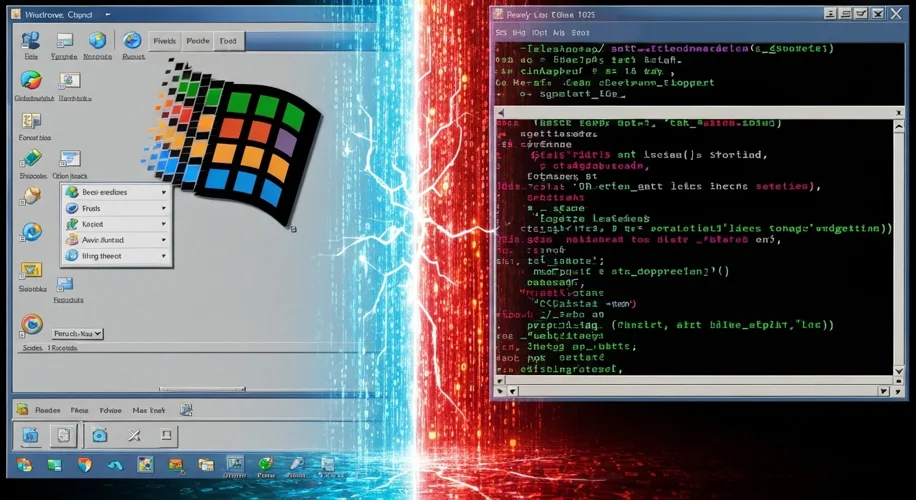
Ubuntu, on the other hand, was born from the ethos of collaboration and freedom. Its development was fueled by a community of passionate individuals who believed that software should be accessible to everyone, and that users should have the freedom to inspect, modify, and distribute it. This open-source model fostered rapid innovation, diversity of development, and a level of transparency that was fundamentally at odds with Microsoft’s closed approach.
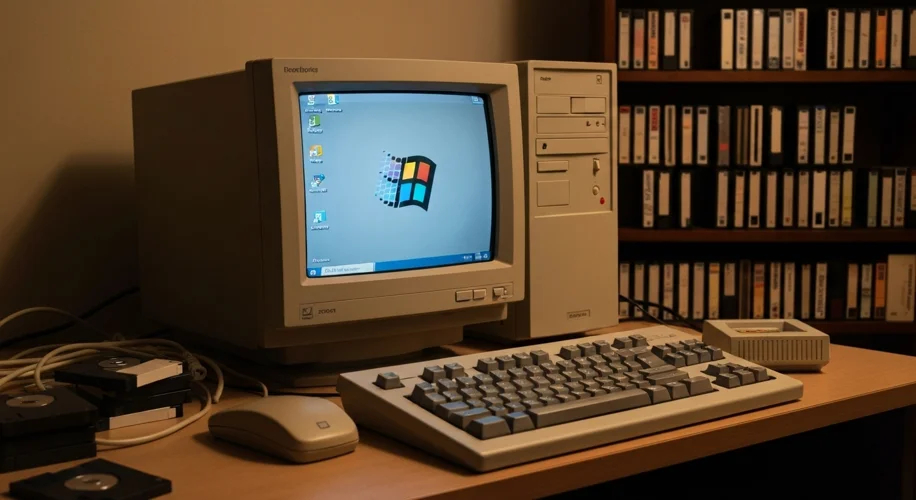
The early iterations of Windows, such as Windows 3.1 and the groundbreaking Windows 95, were revolutionary for their time. They introduced a graphical user interface (GUI) that was intuitive for many, bringing computing power to homes and offices with a level of accessibility previously unimaginable. The “Start” menu, the taskbar, and the familiar desktop metaphor were all born in this era, shaping user expectations for decades to come.
Meanwhile, the Linux world, and by extension the early days of Ubuntu (which was officially released in 2004, though its roots run much deeper), was often perceived as the domain of the technically adept. Its command-line interface, while incredibly powerful and flexible, presented a steeper learning curve. However, for those who mastered it, Linux offered unparalleled control, stability, and customization. Its open nature meant that it could be adapted for a vast array of hardware, from supercomputers to the earliest embedded systems.
The competition wasn’t just about features; it was about vision. Microsoft envisioned a world where every desktop ran Windows, creating a standardized platform for software development and consumer use. The open-source community, however, dreamt of a decentralized, collaborative digital future, where users were not merely consumers but active participants in the creation and evolution of technology.
The impact of this early divergence cannot be overstated. Microsoft’s Windows became the de facto standard for personal computing, powering the vast majority of desktops and laptops worldwide. This dominance allowed Microsoft to build an empire, influencing everything from software compatibility to internet standards.
Linux, and subsequently Ubuntu, carved out significant niches in the server market, powering vast swathes of the internet and critical infrastructure. Its open-source model also paved the way for the mobile revolution, with Google’s Android OS being heavily based on the Linux kernel. While Ubuntu didn’t achieve the same desktop market share as Windows in those early years, its commitment to user-friendliness and its regular release cycles eventually propelled it to become one of the most popular and accessible Linux distributions for desktop users.
Looking back, the early days of Windows and Ubuntu represent not just a technological evolution but a fundamental debate about the future of computing. It was a battle between a proprietary, corporate-driven model and an open, community-centric ethos. Both approaches have profoundly shaped the digital world we inhabit today, and their legacies continue to inform the ongoing evolution of operating systems and the very nature of technology itself.