
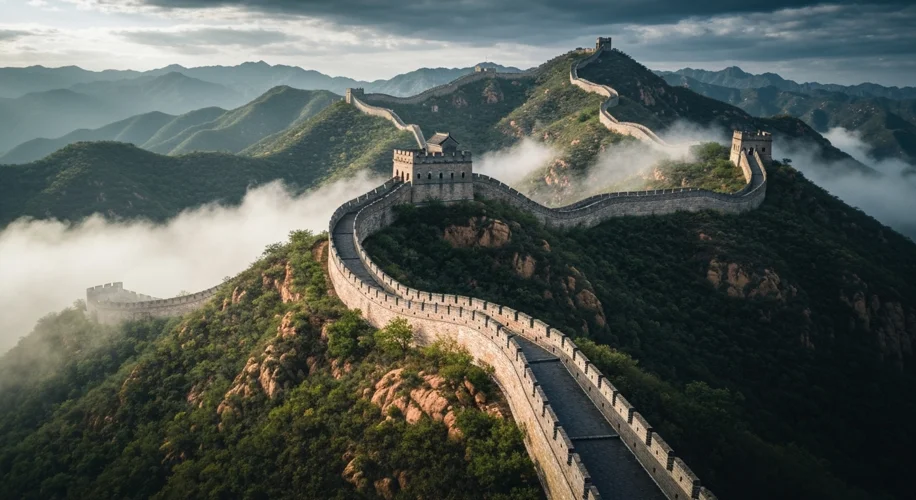
In the annals of human endeavor, few structures command the sheer awe and historical weight of the Great Wall of China. More than just a physical barrier, it is a colossal testament to human will, engineering prowess, and the enduring struggle for survival against formidable odds.
For centuries, China faced the persistent threat of nomadic incursions from the north. Tribes like the Xiongnu, skilled horsemen and fierce warriors, posed a constant danger to the settled agricultural communities of the Chinese heartland. Imagine the fear that gripped villages when the dust clouds on the horizon signaled an approaching raid, the swiftness of the horse-bound attackers, and the devastating impact on lives and livelihoods. This was the grim reality that spurred the monumental undertaking of constructing a defensive fortification on an unprecedented scale.
The earliest fortifications that would eventually coalesce into the Great Wall can be traced back to the 7th century BCE, during China’s Spring and Autumn period. These were not the continuous, monolithic structure we envision today, but rather disparate walls and watchtowers built by individual states to protect their own territories. As China unified under the Qin Dynasty in 221 BCE, Emperor Qin Shi Huang, the same visionary (and some might say ruthless) leader who unified the warring states, ordered the connection and expansion of these existing walls. This marked the genesis of a truly national defense system.
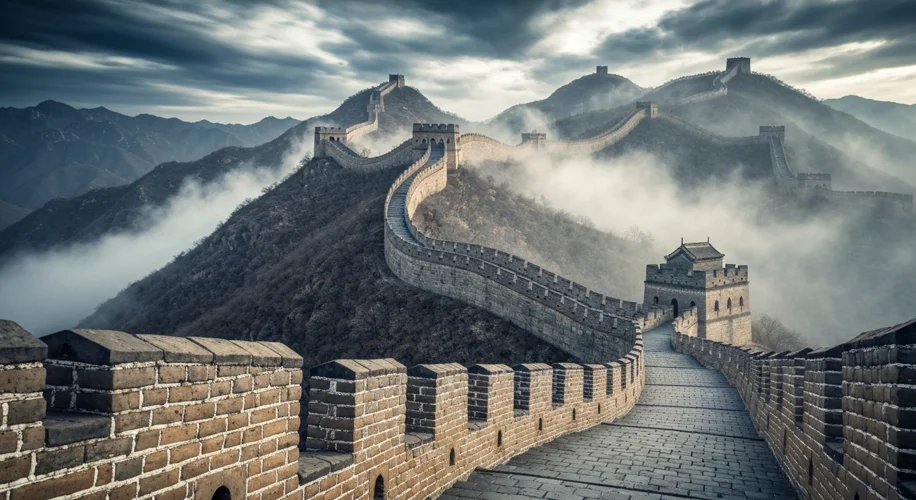
The scale of this undertaking was staggering. It’s estimated that millions of laborers, including soldiers, conscripted peasants, and convicts, toiled for decades, even centuries, to bring the wall to fruition. The conditions were brutal. Men worked in treacherous terrain, facing extreme weather, disease, and exhaustion. The sheer logistical challenge of supplying food, water, and materials to these remote construction sites was immense. Many workers perished during the construction, their lives tragically woven into the very fabric of the wall. Stories passed down through generations speak of the immense suffering, the cries of the laborers echoing in the desolate mountain passes, and the unspoken grief of families who lost loved ones to this colossal project.
However, the Great Wall was not a single, continuous structure built all at once. Different dynasties contributed to its development, adding sections, rebuilding damaged parts, and adapting its design. The most famous and well-preserved sections we see today largely date from the Ming Dynasty (1368-1644). The Ming rulers, facing renewed threats from Mongol and Manchu tribes, invested heavily in reinforcing and extending the wall, creating the formidable stone and brick ramparts that have become iconic.
While the primary purpose of the Great Wall was defense, its effectiveness as a military barrier is a subject of historical debate. It could be breached, bypassed, or simply ignored by determined invaders. Yet, its psychological impact was undeniable. It served as a clear demarcation of Chinese territory, a visible symbol of imperial power, and a deterrent that disrupted the swift cavalry raids of nomadic armies. It was a statement: “This far and no further.”
Beyond its military function, the Great Wall has evolved into a potent symbol of Chinese identity and resilience. It represents the collective effort of a nation, the sacrifices made for its protection, and the enduring spirit of its people. It is a tangible link to the past, a monument that continues to inspire pride and a sense of shared history. Today, it stands not only as a marvel of ancient engineering but as a powerful emblem of China’s rich and complex heritage, a dragon of stone and earth that continues to capture the imagination of the world.