
The geopolitical landscape is a constantly shifting mosaic, where alliances are forged and recalibrated, and the footprints of military power echo across continents. For decades, the United States has maintained a strategic presence on foreign soil, a cornerstone of its global influence. Among its most enduring partnerships is the one with Spain, a relationship that has seen the establishment and utilization of vital military bases. But as the world grows more complex, and the specter of foreign intervention looms larger, the implications of these agreements – particularly concerning potential actions in regions like the Middle East – warrant a closer look.
Spain, a nation with a rich and often turbulent history, has navigated its own path through the geopolitical currents of the late 20th and early 21st centuries. Following the authoritarian rule of Francisco Franco, Spain transitioned to a vibrant democracy, seeking to integrate itself into the European and global community. This pivot inevitably involved defining its security posture and its role in international affairs. It was within this context that the United States sought and secured access to key Spanish bases, most notably the Morón Air Base and the Naval Station Rota. These agreements, initially signed in the 1950s and periodically renewed, have evolved over time, reflecting changing strategic needs and the deepening of the US-Spain alliance.
The Strategic Importance of Spanish Bases
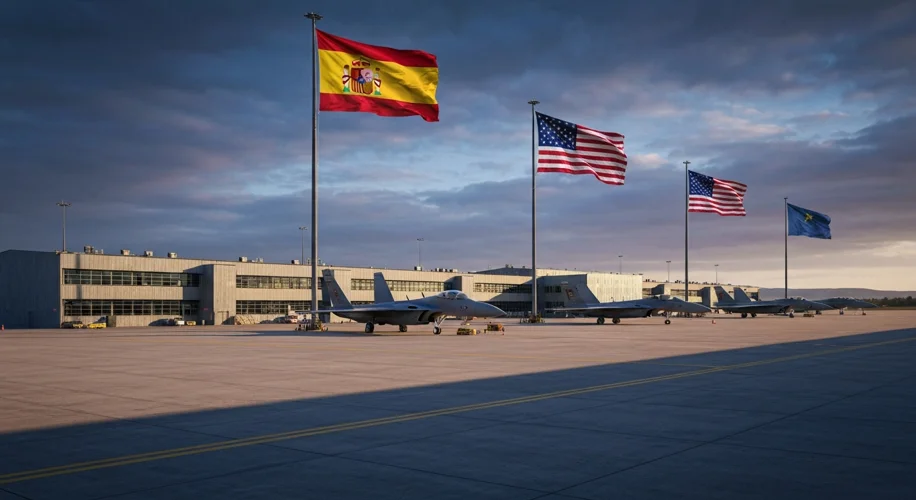
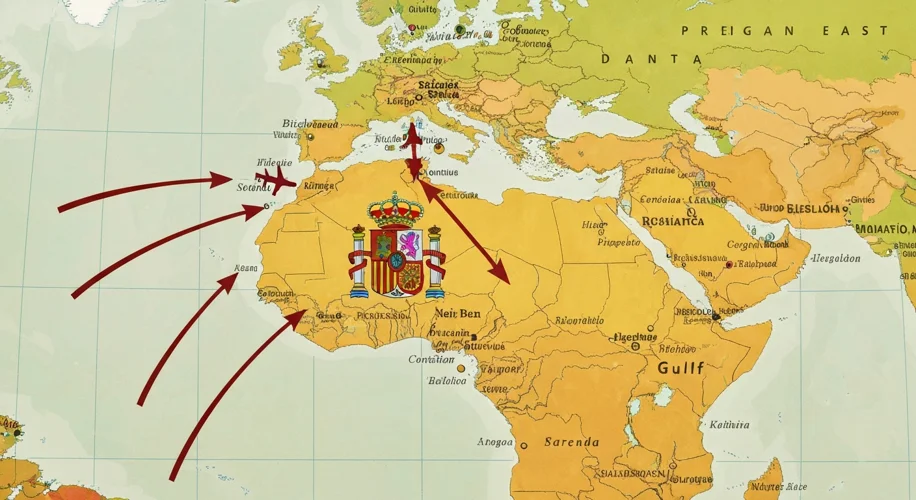
The value of these bases to the United States cannot be overstated. Located strategically in southern Spain, they serve as crucial nodes for power projection into North Africa, the Middle East, and beyond. Morón Air Base, for instance, has been instrumental in supporting US operations in Africa, providing logistical support and a staging ground for rapid deployment. Naval Station Rota, on the Atlantic coast, offers access to the Mediterranean Sea and serves as a key hub for naval operations and missile defense systems.
For Spain, hosting these bases has offered a complex mix of benefits and considerations. On one hand, it has bolstered its standing as a reliable NATO ally, fostering technological exchange and providing economic benefits. On the other hand, it has placed Spain at the crossroads of international security dilemmas, potentially drawing it into conflicts far from its shores. The debate within Spain regarding the presence of foreign military bases has often been passionate, reflecting a desire for national sovereignty while acknowledging the realities of global security.
The Iran Scenario: A Hypothetical Crossroads
Consider a hypothetical scenario: escalating tensions in the Persian Gulf, with the United States contemplating military action against Iran. In such a situation, the utility of bases like Morón and Rota becomes critically apparent. These facilities could serve as vital logistical hubs, providing a platform for refueling aircraft, staging supplies, and even potentially launching reconnaissance missions or support operations. The ability to project power rapidly and sustainably across vast distances is a hallmark of modern military strategy, and these Spanish bases are integral to that capability.
The decision to utilize these bases, however, is not solely a matter for the United States. Under the terms of their agreements, Spain’s government would have a significant say in how these facilities are employed, particularly in the context of offensive military operations. This brings into sharp focus the delicate balance of sovereignty and alliance. Would Spain consent to its territory being used as a launchpad for an attack on Iran? The answer would likely hinge on a multitude of factors: the perceived threat, the international legal framework, domestic political considerations, and the potential repercussions for Spain itself.
Perspectives and Political Undercurrents
The political calculus within Spain would be immense. Proponents of utilizing the bases would argue for fulfilling treaty obligations, supporting a key ally, and upholding international stability. Opponents, however, would raise concerns about entanglement in foreign conflicts, the risk of retaliation, and the potential for undermining Spain’s own foreign policy objectives. The Spanish public, often wary of foreign military entanglements, would undoubtedly weigh in, adding another layer of complexity to any decision.
Furthermore, the international legal framework surrounding the use of military bases for offensive operations is constantly being debated and refined. Questions of command and control, the legality of preemptive strikes, and the role of international bodies like the United Nations all play a part in shaping the decision-making process.
Looking Ahead: A Partnership in Evolution
The relationship between the United States and Spain regarding military bases is a dynamic one, shaped by evolving geopolitical realities and the internal politics of both nations. While the current strategic landscape may not involve immediate operations against Iran, the underlying framework for such possibilities remains. The continued presence of US forces in Spain serves as a testament to a long-standing alliance, but also as a reminder of the complex responsibilities and potential consequences that accompany such partnerships. As the world continues to navigate its intricate geopolitical currents, the dialogue between allies like the United States and Spain will remain crucial, ensuring that the sands of sovereignty shift not towards conflict, but towards continued cooperation and mutual understanding.