
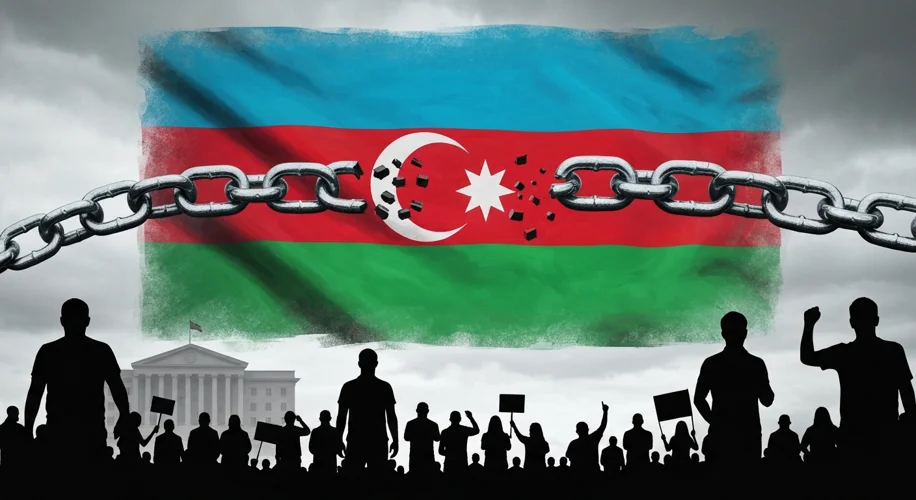
In the heart of the Caucasus, a region steeped in a rich tapestry of cultures and a history punctuated by shifting empires and the eternal quest for self-determination, lies Azerbaijan. For decades, this nation has grappled with a persistent tension between its aspirations for democratic freedoms and the heavy hand of authoritarian control. The story of dissent and its suppression in Azerbaijan is not a singular event, but a recurring motif woven into the very fabric of its modern history, a stark reminder of the enduring struggle for human rights in the post-Soviet landscape.
To understand the present, we must first cast our gaze back. Azerbaijan, like much of the region, experienced a prolonged period under Soviet rule. The USSR, while bringing about industrialization and certain social advancements, simultaneously imposed a rigid ideology that stifled political pluralism and individual expression. Dissent was not merely discouraged; it was systematically crushed. The KGB’s long reach extended into every corner of Soviet life, and the pervasive atmosphere of fear ensured that voices raised against the regime were often silenced before they could gain traction. This era instilled a deep-seated culture of control that would cast a long shadow, even after the Soviet Union’s dissolution.
The 1990s brought a wave of hope with Azerbaijan’s declaration of independence. Yet, the euphoria was soon tempered by internal strife, most notably the Nagorno-Karabakh conflict, and the rise of figures who, while promising national revival, ultimately consolidated power. Heydar Aliyev, a former KGB general and Politburo member, steered the nation through this turbulent period, establishing a firm grip that would be inherited by his son, Ilham Aliyev, in 2003. Under their leadership, Azerbaijan has seen economic progress, largely driven by its significant oil and gas reserves. However, this prosperity has often come at the cost of democratic freedoms.
The key actors in this historical drama are numerous, but two primary forces are in constant opposition: the ruling elite, determined to maintain power and control, and the courageous individuals and groups who dare to demand greater transparency, accountability, and freedom of expression. From independent journalists and human rights activists to opposition political parties and ordinary citizens seeking a better future, the voices of dissent have faced an array of challenges. These challenges have ranged from restrictive laws and politically motivated arrests to intimidation, harassment, and, in some cases, outright violence.
One cannot speak of Azerbaijan without acknowledging the significant events that have defined its struggle for liberty. The early 2000s saw a surge in activism, fueled by the burgeoning use of the internet and social media. Young Azerbaijanis, inspired by democratic movements elsewhere, began to organize, calling for political reform and an end to corruption. The government’s response was swift and severe. Numerous activists, journalists, and opposition figures were targeted. Websites were blocked, protests were dispersed with force, and many were incarcerated on charges that critics deemed politically motivated, such as defamation, tax evasion, or even extremism.
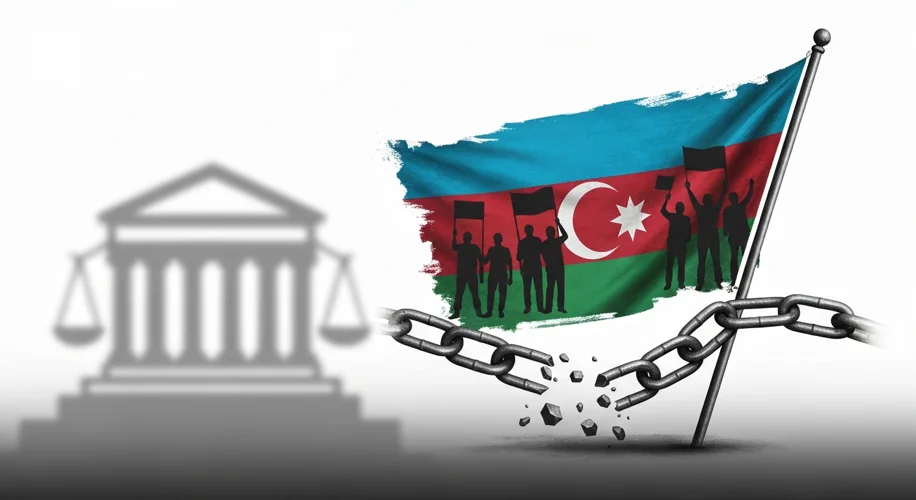
A particularly poignant example of this crackdown was the wave of arrests in 2014, which saw numerous prominent journalists and human rights defenders, including Leyla and Arif Yunus, Rasul Jafarov, and Khadija Ismayilova, imprisoned. Ismayilova, a fearless investigative reporter who exposed corruption at the highest levels, faced relentless pressure, including fabricated charges and smear campaigns. Her eventual release, after years of imprisonment, was a testament to international pressure but also a stark illustration of the risks faced by those who challenge the status quo.
The consequences of these crackdowns have been profound. They have created an environment where fear often trumps free speech, stifling public discourse and limiting the space for genuine political opposition. While the government points to stability and economic development, critics argue that this comes at the expense of a vibrant civil society and the fundamental rights of its citizens. International organizations, including the United Nations and various human rights watchdogs, have consistently raised concerns about the state of human rights and press freedom in Azerbaijan.
Analyzing this historical pattern, it becomes clear that the Azerbaijan crackdown on dissent is not an isolated phenomenon but part of a broader regional trend of authoritarian resilience. The struggle for democratic freedoms in Azerbaijan is a testament to the enduring human spirit, a fight against the forces that seek to control narratives and suppress voices. The memory of past crackdowns serves as a somber reminder of the challenges ahead, but also as a source of inspiration for those who continue to advocate for a more open and just society in Azerbaijan and beyond.
The future of Azerbaijan’s democratic aspirations remains uncertain, but the historical narrative of resistance against oppression offers a glimmer of hope. The courage of those who have spoken out, often at great personal cost, ensures that the echoes of their struggle will continue to reverberate, challenging the silence and demanding a reckoning with history.