The year is 1870. A single ship, the Peruvian, docks in New York Harbor, carrying not just cargo, but the hopes and dreams of over 80,000 Chinese laborers who had been lured to the United States by the promise of gold and opportunity. Many found themselves in California, a world away from their ancestral homes. But for some, the journey continued, a westward trek from the Golden State to the bustling metropolis of New York City. They sought not just a new life, but a familiar one, a sanctuary in a land that often viewed them with suspicion and hostility. And so, the seeds of New York’s first Chinatown were sown, not on the West Coast, but on the bustling, often chaotic streets of Manhattan.
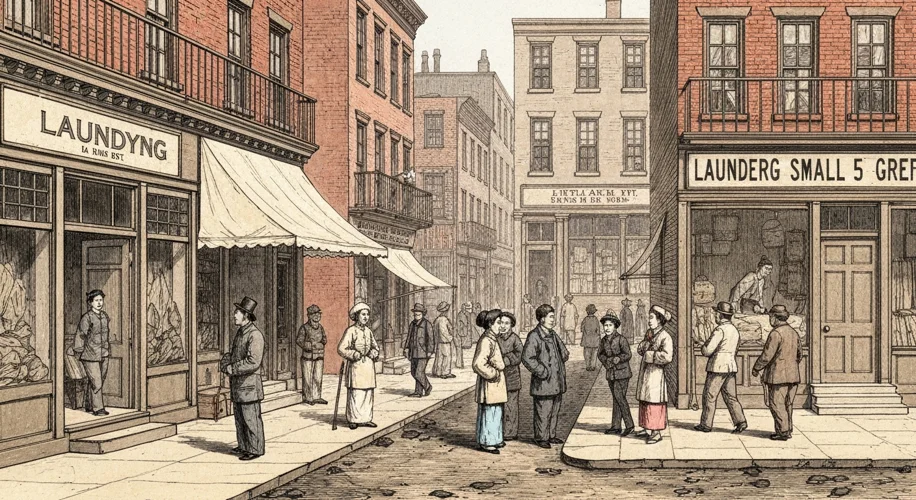
This nascent community, which began to take shape in the mid-19th century, was a far cry from the vibrant, sprawling neighborhoods we know today. It was a place forged in necessity, a cluster of businesses and residences catering to a specific demographic. But it was also a place of immense resilience, a testament to the enduring power of culture and community in the face of adversity. Early immigrants, primarily from the southern coastal provinces of China, brought with them their languages, their customs, their culinary traditions, and their indomitable spirit. They established laundries, restaurants, and small shops, creating a pocket of familiarity in the heart of a foreign land.
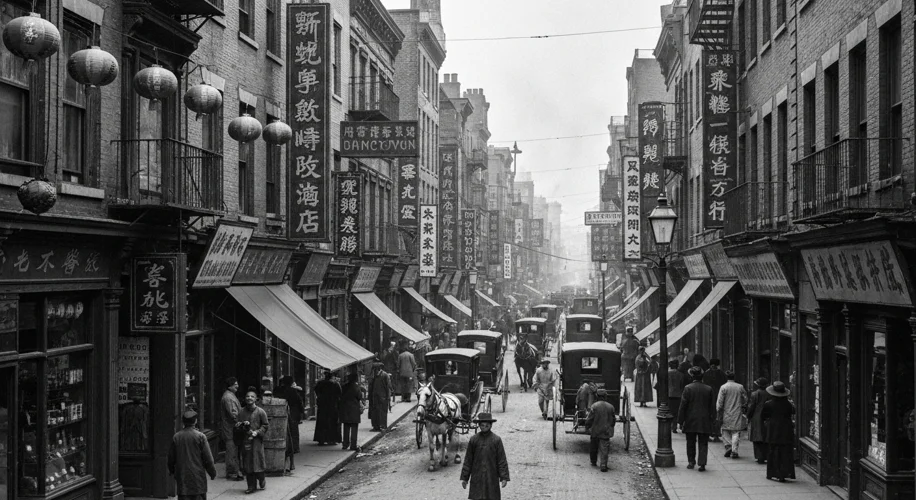
However, this burgeoning community was not without its struggles. The Chinese Exclusion Act of 1882, a draconian piece of legislation, slammed the door shut on Chinese immigration, severing family ties and fueling further discrimination. This act, a stain on American history, had a profound impact on the lives of Chinese immigrants, creating a “bachelor society” where men far outnumbered women, and families were fractured across continents. The existing Chinatown, already a tight-knit but insular community, became even more so, a fortress against the outside world.
Despite these immense challenges, the community persevered. Through secret tongs and benevolent associations, immigrants found mutual support and a sense of belonging. These organizations, often born out of necessity, provided social services, resolved disputes, and helped preserve cultural heritage. They were the lifeblood of the community, ensuring that traditions, languages, and the very fabric of Chinese identity could endure, even in the face of intense external pressures.
As the 20th century dawned, and the restrictive immigration policies began to loosen, a new wave of Chinese immigrants arrived. This new influx, coupled with changing economic conditions and urban development, led to the expansion and evolution of Chinatown. The original Manhattan Chinatown, once a small enclave, began to swell. More importantly, new Chinatowns began to emerge, most notably in Brooklyn and Queens, transforming the city’s landscape and creating new hubs of cultural and economic activity. These new communities, while sharing a common heritage, also developed their own unique characteristics, reflecting the diverse origins and experiences of their inhabitants.
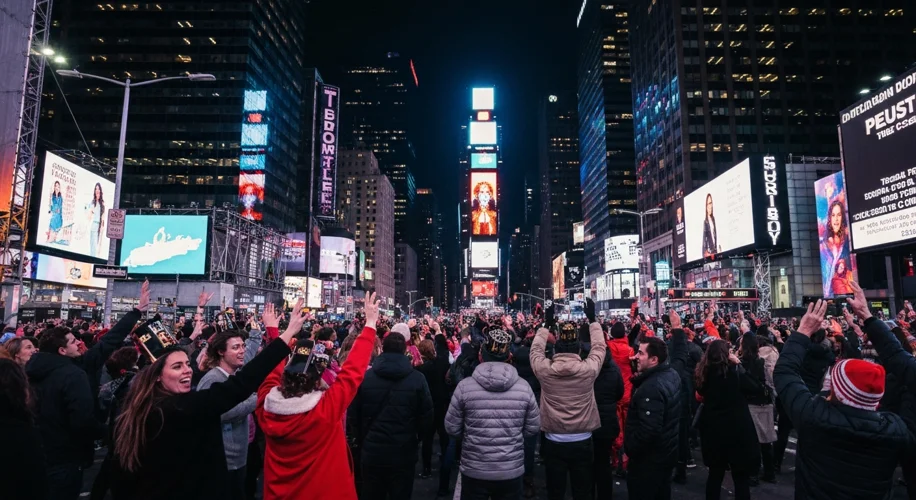
The development of these Chinatowns was not merely an expansion of existing businesses; it was a vibrant cultural blossoming. The streets, once perhaps somber, became alive with the aromas of authentic cuisine, the sounds of bustling markets, and the colorful sights of festivals and celebrations. Restaurants, from humble noodle shops to more elaborate establishments, became centers of social life, places where news was exchanged, families reconnected, and the flavors of home were savored. Traditional festivals, like the Lunar New Year, transformed neighborhoods into a riot of color, sound, and tradition, drawing in not only the Chinese community but also curious New Yorkers from all walks of life.
The story of New York’s Chinatowns is, in many ways, the story of America itself: a narrative of immigration, struggle, adaptation, and the creation of vibrant, enduring communities against formidable odds. These neighborhoods are not just enclaves of a particular ethnicity; they are dynamic, integral parts of the larger New York City tapestry, contributing to its rich cultural mosaic and economic vitality. They stand as a powerful reminder that even in the face of exclusion and hardship, the human spirit, fueled by community and culture, can find a way to not just survive, but to flourish.