
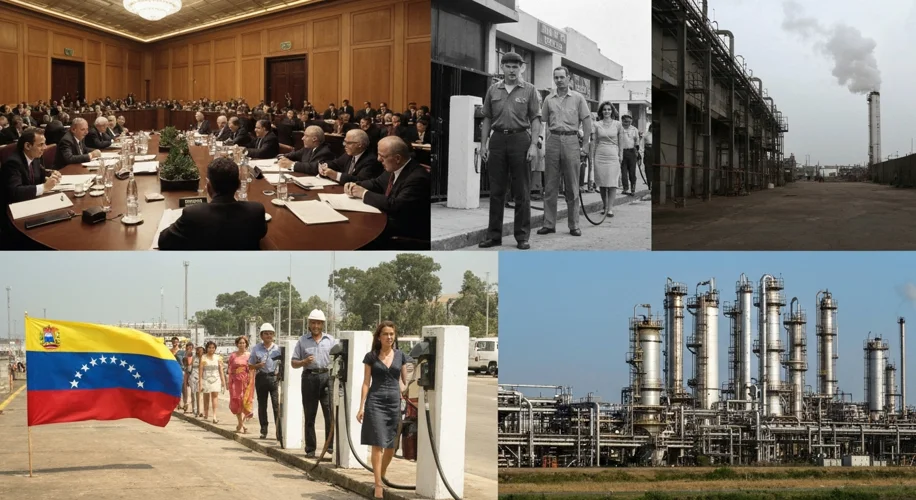
The year is 2025. The world hums with the low thrum of engines, a testament to an energy source that has shaped civilizations, fueled economies, and ignited conflicts for over a century: oil. And at the heart of this global energy nexus, the Organization of the Petroleum Exporting Countries (OPEC) has long been a formidable force. Recently, Venezuela, a nation whose economic fortunes are inextricably linked to its vast oil reserves, has again raised its voice within OPEC, calling for unified action to counter what it perceives as threats from the United States. This isn’t just a geopolitical spat; it’s an echo of decades of power struggles, economic leverage, and the relentless dance of international relations, all revolving around the black gold that flows beneath our feet.
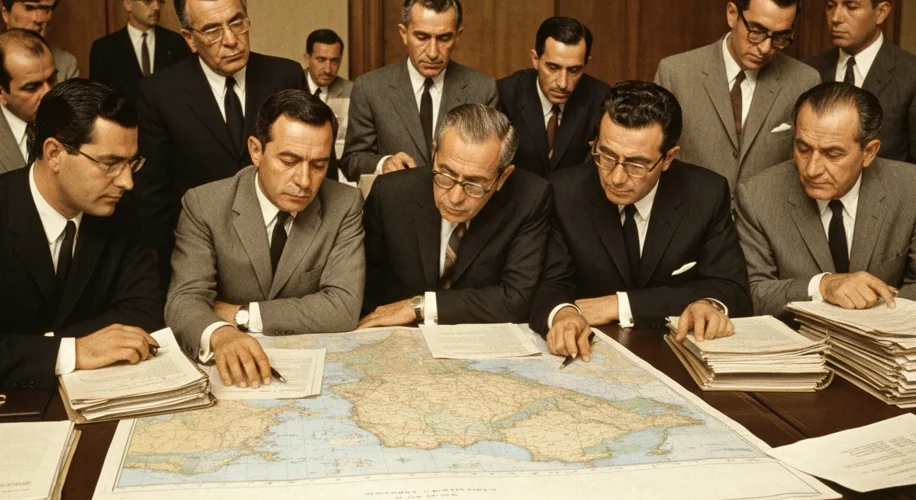
To understand the current tensions, we must rewind the clock. The story of OPEC begins not in an era of advanced technology, but in a world where oil was rapidly transforming from a niche industrial lubricant into the lifeblood of modern civilization. In the mid-20th century, a handful of oil-producing nations, primarily in the Middle East, found themselves at the mercy of a few powerful Western oil companies, often referred to as the “Seven Sisters.” These companies dictated production levels and prices, effectively siphoning wealth away from the countries that owned the very resources beneath their soil. The nations of Venezuela, Iran, Iraq, Kuwait, and Saudi Arabia, feeling increasingly marginalized and exploited, convened in Baghdad in September 1960. Their aim was audacious: to wrest control of their own destiny and establish a unified front to negotiate with the oil giants on equal footing. Thus, OPEC was born, a cartel with the stated aim of coordinating petroleum policies among its member countries, in order to secure fair and stable prices for petroleum producers.
The 1970s marked a seismic shift in global oil politics, a period where OPEC truly flexed its muscles. The Yom Kippur War in 1973 provided the catalyst. In response to Western support for Israel, OPEC members, led by Saudi Arabia, imposed an oil embargo on the United States and other nations. The effect was immediate and devastating. Oil prices quadrupled overnight, triggering a global economic crisis, gasoline shortages, and long lines at gas stations. The image of desperate drivers waiting for fuel became a stark symbol of the era. This event, often termed the “oil shock,” demonstrated OPEC’s immense power to disrupt the global economy and brought the organization into the international spotlight. It was a wake-up call to the industrialized world that their energy security was far more fragile than they had imagined.
Venezuela, a founding member of OPEC, has always been a key player. Blessed with some of the largest proven oil reserves in the world, its economic health has been directly tied to global oil prices. However, its internal politics and economic mismanagement have often hindered its ability to fully capitalize on this natural wealth. The nation has experienced cycles of boom and bust, with periods of prosperity giving way to deep economic crises. These internal struggles, coupled with external pressures, have often led Venezuela to look towards OPEC for solidarity and collective bargaining power.
In recent years, the geopolitical landscape has become even more complex. The rise of shale oil production in the United States has altered the global supply dynamics, challenging OPEC’s traditional dominance. Furthermore, political tensions and sanctions have impacted the production and export capabilities of several member nations, including Venezuela. It is within this context that Venezuela’s calls for collective action against perceived US threats resonate. The nation often views US foreign policy and economic sanctions as direct attempts to undermine its sovereignty and its ability to leverage its oil resources. By appealing to OPEC, Venezuela seeks to leverage the organization’s collective weight to push back against what it sees as external interference.
However, OPEC is not a monolithic entity. While its members share a common interest in stable oil prices, their individual economic needs, political alignments, and production capacities often lead to internal disagreements. For instance, some nations might favor higher prices to boost their national budgets, while others might be more concerned about losing market share to non-OPEC producers. This internal dynamic makes unified action challenging, even when faced with external pressures.
The impact of OPEC’s actions, and the broader politics of oil, extend far beyond economic indicators. They influence international relations, shape foreign policy decisions, and can even contribute to regional instability. The constant negotiation between producers and consumers, the struggle for market control, and the geopolitical maneuvering around oil-rich regions are all part of a complex, ongoing narrative. Venezuela’s current stance within OPEC is a poignant reminder that the quest for energy security and economic independence remains a central theme in the 21st century. The black gold that powered the 20th century continues to be a potent force, shaping our world in profound and often unpredictable ways. The coming years will undoubtedly see this intricate dance of power, politics, and petroleum continue, with OPEC and its members playing a crucial, albeit evolving, role.
