

The year 2019 brought a stark and tragic reminder that the cloak of diplomatic immunity, a cornerstone of international relations, can sometimes shield more than just legitimate envoys. The death of 19-year-old Harry Dunn, allegedly at the hands of Anne Sacoolas, the wife of a US diplomat stationed at RAF Croughton in Northamptonshire, England, ignited a firestorm of public outcry and a deep dive into the arcane world of diplomatic privilege.
While the immediate narrative centered on a heartbreaking personal tragedy and a quest for justice, the case also brushed against the edges of a far more shadowy and complex history: the Cold War, a period when nations engaged in clandestine battles of espionage and intelligence, often utilizing seemingly innocuous locations for sensitive operations. The very existence of RAF Croughton, a communication hub with deep ties to US intelligence, served as a subtle nod to these enduring legacies.
A Nation’s Grief, A Diplomat’s Flight
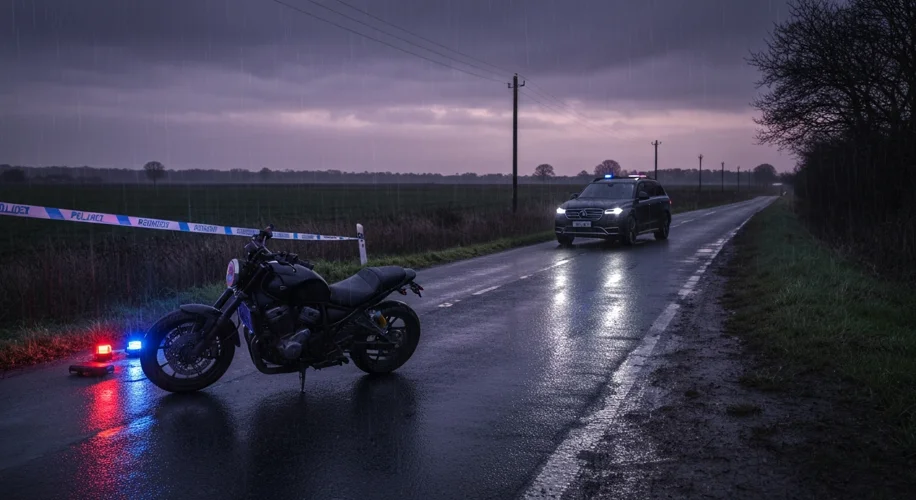
On August 27, 2019, the quiet village of Charlton in Oxfordshire was shattered by a fatal road collision. Harry Dunn, riding his motorcycle, was killed. The driver of the vehicle, Anne Sacoolas, initially remained in the UK, but soon after, her claim to diplomatic immunity was invoked, and she departed for the United States. This move, lawful under the Vienna Convention on Diplomatic Relations, felt like an insurmountable barrier to justice for Harry’s grieving family and much of the British public.
The Vienna Convention, established in 1961, aims to ensure the efficient functioning of diplomatic missions by granting certain immunities to diplomats and their families. This immunity protects them from prosecution in the host country, preventing potential diplomatic disputes and facilitating smooth international relations. However, in cases like Harry Dunn’s, this protection can appear as impunity, leaving victims and their families feeling powerless and betrayed.
Echoes of the Cold War: Intelligence Hubs and Hidden Agendas
The location where the tragedy occurred is crucial. RAF Croughton, a Royal Air Force base, has been used by the United States Air Force since World War II. It has long been recognized as a key node in US intelligence networks, specifically for signals intelligence and communications. During the Cold War, such bases were vital nerve centers for gathering intelligence on the Soviet Union and its allies. The presence of US personnel, including diplomats and their families, at these sensitive locations was not merely for logistical support; it was often intrinsically linked to intelligence operations.
This raises unsettling questions. Was the diplomatic status of Anne Sacoolas, if indeed she was engaged in any sensitive duties, a direct consequence of her husband’s role at a high-security intelligence installation? While there is no direct evidence linking the fatal accident to espionage, the context of the location and the invocation of immunity inevitably brings to mind the historical precedents of the Cold War. During that era, intelligence agencies from both sides of the Iron Curtain operated with a degree of secrecy, and the protection afforded by diplomatic status could, at times, be exploited to shield individuals involved in covert activities, or at least to prevent their undue scrutiny.
Consider the case of Donald Maclean and Guy Burgess, British diplomats who defected to the Soviet Union in 1951, revealing themselves to be Soviet spies. Their decades of undetected espionage were facilitated by their diplomatic cover. While a world away from a tragic road accident, these historical events underscore how diplomatic status can be a potent shield, historically used for purposes far removed from simple international goodwill.
The Unraveling of Justice and the Call for Reform
Harry Dunn’s family, spearheaded by his mother Charlotte Charles, embarked on a relentless campaign for justice. Their efforts brought international attention to the case, challenging the norms of diplomatic immunity. They traveled to the US, met with politicians, and lobbied for a change in the law. The sentiment was clear: while diplomatic immunity is necessary, it should not be an absolute shield against accountability, especially when serious crimes are involved.

Ultimately, the legal avenues in both the UK and the US proved complex and, for Harry’s family, deeply unsatisfying. Anne Sacoolas was charged with causing death by dangerous driving in the UK, but the US government refused to extradite her, citing diplomatic immunity. This standoff highlighted the limitations of international law when faced with the conflicting interests of sovereign states.
The Lingering Impact
The Harry Dunn case did not lead to a complete dismantling of diplomatic immunity, nor did it uncover a grand espionage conspiracy connected to the accident. However, it served as a powerful catalyst for re-examining the application and potential abuses of this age-old diplomatic tool. It underscored the human cost when the intricate mechanisms of international law clash with the fundamental desire for justice.
While the Cold War is over, its legacy continues to shape geopolitical landscapes and intelligence operations. The presence of facilities like RAF Croughton serves as a quiet reminder of the enduring importance of national security and the clandestine means employed to protect it. The Harry Dunn case, therefore, stands as a somber testament to the complex interplay between diplomatic privilege, international relations, and the enduring quest for accountability, a quest that, even decades after the Cold War’s end, continues to resonate in the shadows of our interconnected world.
Categories:
- International Relations
- Law and Justice
- Cold War History
Tags:
- Diplomatic Immunity
- Harry Dunn Case
- Cold War Espionage
- RAF Croughton
SEO Title: Harry Dunn Case: Diplomatic Immunity & Cold War Echoes
SEO Focus Keyphrase: Harry Dunn Case Diplomatic Immunity
SEO Meta Description: The tragic Harry Dunn case exposed the complexities of diplomatic immunity, linking to the shadowy legacy of Cold War espionage and intelligence operations.