

When we think of the papacy, images of spiritual authority, grand cathedrals, and intricate theological debates often come to mind. Yet, beneath the layers of dogma and divine pronouncements lies a long and often overlooked history of tangible, worldly compassion: papal philanthropy.
The story of the papacy engaging in charitable acts is not a modern invention. Its roots stretch back to the very beginnings of Christianity, evolving through centuries of political upheaval, societal change, and evolving spiritual mandates.
From Humble Beginnings to Imperial Power
In the early centuries, the nascent Christian church, often persecuted, relied on the generosity of its followers for survival and to aid the needy within its own community. As Christianity gained acceptance and eventually became the state religion of the Roman Empire, the Bishop of Rome – the Pope – began to accumulate significant resources. These resources, initially from donations and later from vast landholdments and temporal power, were increasingly directed towards charitable endeavors.
One of the earliest and most enduring examples is the diaconate. Deacons were ordained to assist the bishops, with a significant part of their role involving the care of the poor, widows, and orphans. Popes, as the chief deacons of Rome, were deeply involved in overseeing and funding these efforts. Imagine the bustling streets of ancient Rome, where papal funds, perhaps collected from alms or rents, were being distributed to feed the hungry or provide shelter for the destitute. It was a practical, hands-on approach to fulfilling Christ’s teachings.

The Medieval Papacy: Power and Patronage
During the Middle Ages, the papacy wielded immense political and spiritual influence. While often embroiled in conflicts, the papal court also acted as a center for charitable distribution. Papal legates, traveling across Christendom, were not just emissaries of faith but also conduits for papal generosity. Funds were channeled to alleviate the suffering caused by famines, plagues, and wars.
Consider the Great Famine of 1315-1317. While immediate relief often fell to local authorities and religious orders, the papacy, particularly from its seat in Avignon and later Rome, played a role in coordinating broader relief efforts and encouraging donations. Popes like John XXII were known to allocate significant funds from the papal treasury towards humanitarian aid, a testament to the belief that spiritual leadership demanded temporal responsibility.
Furthermore, the papacy was a major patron of arts and sciences, but also of institutions dedicated to care. Hospitals, often run by religious orders but with papal oversight and funding, provided not just medical treatment but also sanctuary for the sick and infirm. These were not mere charitable acts; they were seen as essential extensions of the Church’s mission to serve humanity.
The Renaissance and Beyond: Navigating a Changing World
The Renaissance saw a shift in the papacy’s temporal power and focus, with a greater emphasis on art, architecture, and political maneuvering. However, the tradition of philanthropy continued, albeit sometimes in different forms.
During times of crisis, such as the devastating plagues that swept through Europe periodically, papal pronouncements often called for prayers and acts of charity. While direct funding might have been strained by the papacy’s own financial needs and political entrenchments, the moral authority of the Pope was frequently invoked to encourage private and ecclesiastical charity.
The Modern Era: Global Reach and Humanitarian Crises
In the modern era, particularly from the 19th century onwards, the papacy’s philanthropic activities have taken on a global dimension. With the rise of international aid organizations and a greater awareness of global inequalities, the Holy See has increasingly used its platform and resources to address worldwide humanitarian issues.
Organizations like Caritas Internationalis, though independent, are closely affiliated with the Catholic Church and receive significant support and guidance from the Vatican. The papacy, under pontiffs like Pope Pius XII, John XXIII, Paul VI, and most notably Pope Francis, has consistently spoken out against poverty, war, and injustice, and has directed substantial funds towards disaster relief and development aid.
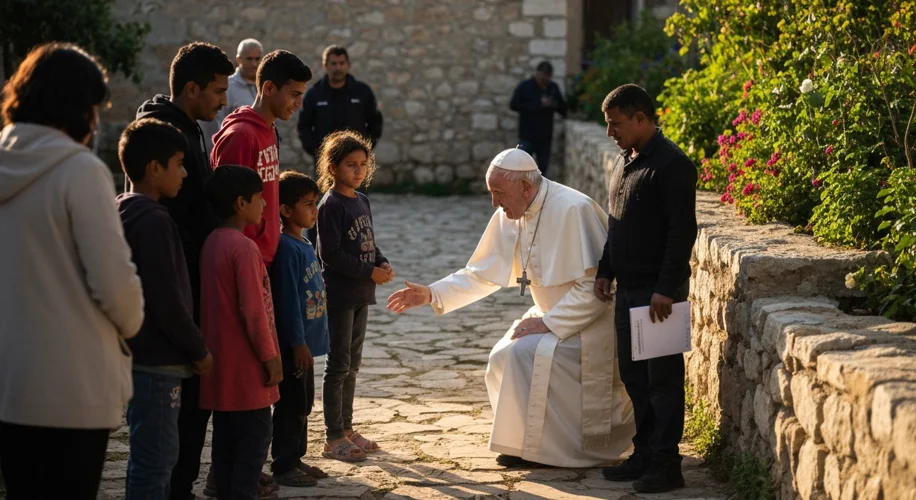
Think of the response to natural disasters: earthquakes in Haiti or the Philippines, famines in Africa, or refugee crises in the Middle East. The Vatican, through its extensive network and direct appeals, mobilizes financial aid, provides supplies, and supports local Catholic charities working on the ground. This is not just about abstract charity; it’s about providing tangible assistance – food, shelter, medical care, and support for rebuilding lives.
The Pope’s Purse: More Than Just Alms
The history of papal philanthropy is a complex tapestry woven with threads of spiritual duty, political expediency, and genuine compassion. It demonstrates a persistent commitment to the less fortunate, a commitment that has evolved from local almsgiving in ancient Rome to a global humanitarian outreach in the 21st century.
The papal treasury, often the subject of speculation, has historically been a source of support not just for the Church’s operations and its magnificent artistic and architectural legacy, but also for the suffering and marginalized peoples of the world. From the early deacons tending to the poor of Rome to the modern pontiff advocating for global justice, the papacy’s philanthropic endeavors offer a compelling, often overlooked, chapter in the history of charity and human solidarity.
It’s a reminder that even in the grand narratives of religious and political history, the simple act of reaching out a helping hand has always been a cornerstone of papal legacy.