The chill wind that swept across Eastern Europe in late 2021 and into 2022 was more than just a meteorological phenomenon. It carried the weight of decades of history, a complex tapestry woven from the threads of Ukrainian independence, its yearning for the West, and the ever-expanding embrace of the North Atlantic Treaty Organization (NATO). The current conflict between Ukraine and Russia is not a sudden eruption, but a tragic crescendo of historical tensions, a storm long gathering on the geopolitical horizon.
Imagine the scene in 1991. The Soviet Union, a colossus that had loomed for over seventy years, crumbled. For Ukraine, this was not just a political shift; it was the dawn of a new era, a chance to forge its own destiny after centuries of foreign rule and the suffocating grip of Soviet dominance. Kyiv, the ancient heart of Kyivan Rus’, pulsed with a new-found, yet fragile, independence. The Ukrainian people, scarred by Holodomor and decades of Russification, dreamed of a future free from Moscow’s shadow. But freedom, as history often teaches, is a delicate bloom, vulnerable to the harsh winds of geopolitical realities.
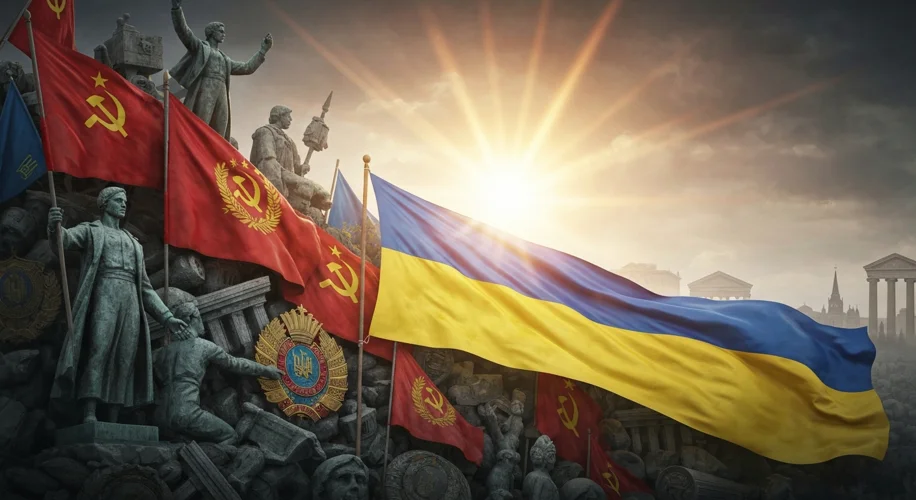
The early years of independent Ukraine were a precarious dance. Navigating the complex relationship with its powerful neighbor, Russia, was paramount. Moscow, reeling from its own internal struggles but still possessing a deep-seated belief in its sphere of influence, viewed Ukraine’s westward leanings with growing alarm. For many in Russia, Ukraine was not merely a separate nation but an intrinsic part of a historical Russian civilization, a ‘little Russia’ that should remain within Moscow’s orbit.
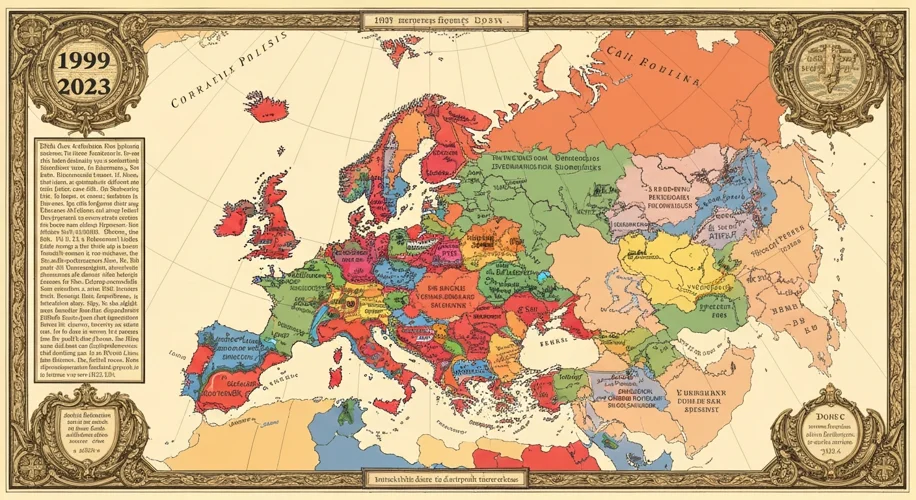
Meanwhile, across the vast expanse of Europe, NATO, the defensive alliance forged in the crucible of the Cold War, began to evolve. Its original purpose, to counter the Soviet threat, seemed to have faded with the Soviet Union’s demise. Yet, many former Soviet bloc nations, haunted by the specter of Russian dominance and yearning for security and democratic values, saw NATO as their salvation. Poland, Hungary, and the Czech Republic joined in 1999, followed by the Baltic states, Slovakia, Slovenia, Romania, and Bulgaria in 2004. Each expansion was met with increasing vehemence from Moscow, which viewed it as a betrayal and a direct threat to its security interests.
From Moscow’s perspective, NATO expansion was not about defense but about encirclement. The alliance’s eastward march, they argued, pushed military infrastructure closer to Russia’s borders, disregarding solemn promises and historical sensitivities. Russian leaders, including Vladimir Putin, repeatedly voiced their concerns, framing NATO expansion as a deliberate provocation, a ‘security dilemma’ where defensive actions by one side were perceived as aggressive by the other.
Ukraine, caught in this geopolitical tug-of-war, found itself increasingly pulled between two worlds. Its citizens were divided: some deeply desired integration with the European Union and NATO, seeing it as a path to prosperity and security; others, particularly in the eastern and southern regions, maintained closer historical and cultural ties with Russia and harbored reservations about severing those connections.
The Orange Revolution of 2004, which saw widespread protests against alleged election fraud and ushered in a pro-Western government, was a watershed moment. It signaled Ukraine’s deepening commitment to a Western trajectory, a move that further agitated Moscow. The subsequent years saw a series of political upheavals, energy disputes, and a constant struggle for Ukraine to assert its sovereignty against Russian interference.
The annexation of Crimea in 2014 and the subsequent war in the Donbas region were direct consequences of this escalating tension. Russia’s actions were a stark message: Ukraine’s potential NATO membership was a red line it would not allow to be crossed. For Ukraine, these events were a brutal testament to the fragility of its independence and the existential threat posed by its powerful neighbor.
The international community, while condemning Russia’s aggression, found itself navigating a complex web of historical grievances, security concerns, and economic interdependencies. The narrative of NATO expansion as a benevolent act of offering security versus Russia’s perception of it as an aggressive encirclement became the central, tragic fault line.
Ultimately, the history of US-Ukraine relations and NATO expansion is a sobering reminder that national aspirations, security concerns, and historical narratives collide with potent force. It is a story of a nation yearning for self-determination, an alliance seeking to redefine its role, and a great power grappling with a perceived loss of influence. The echoes of these past decisions continue to reverberate, shaping the present and casting a long, uncertain shadow over the future of Eastern Europe.