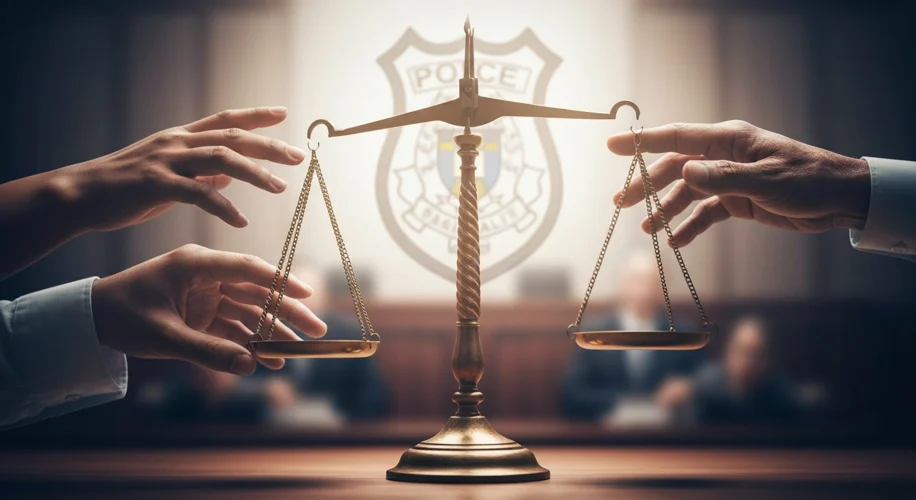
The chilling images of George Floyd’s final moments, captured on a bystander’s phone, ripped through the fabric of the United States in 2020, igniting a firestorm of protest and introspection. Derek Chauvin’s subsequent trial and conviction, while a critical step, did little to quell the deep-seated unease. These events thrust into the harsh glare of public scrutiny the long, fraught history of law enforcement and its complex, often brutal, relationship with civil rights in America. It’s a story not of isolated incidents, but of a persistent historical echo, resonating from the Jim Crow South to the present day.
The roots of this struggle run deep, entwined with the very founding of the nation. In the antebellum South, slave patrols, precursors to modern policing, were established not to protect all citizens, but to enforce the brutal institution of slavery. Their methods were often violent, arbitrary, and designed to instill terror. This legacy of racially motivated enforcement was carried forward into the era of Jim Crow, where law enforcement agencies were frequently used as instruments of segregation and oppression.
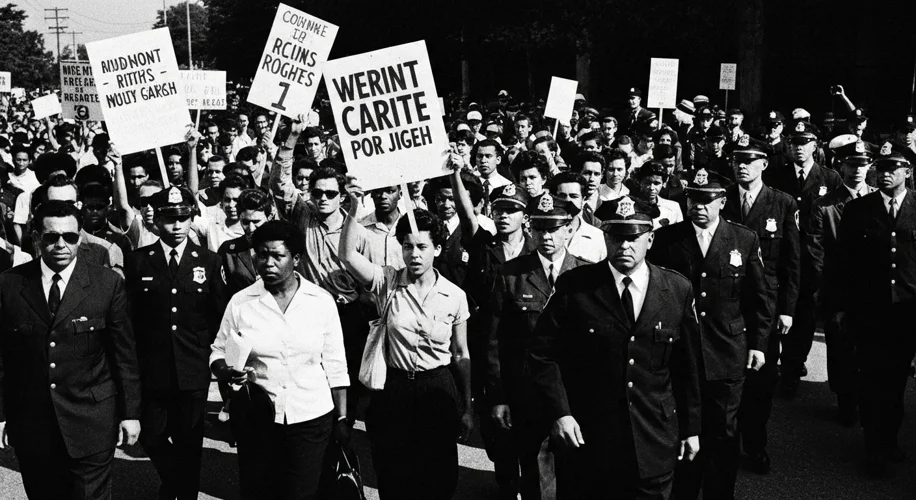
The mid-20th century saw the rise of the Civil Rights Movement, a monumental struggle for equality led by courageous individuals like Martin Luther King Jr., Rosa Parks, and John Lewis. Their fight was not just against overt discrimination, but also against the systemic abuses of power by law enforcement. The images of peaceful protestors met with brutal force – police dogs, fire hoses, and billy clubs – became etched into the national consciousness. Events like the Birmingham campaign in 1963, where Commissioner Bull Connor unleashed a torrent of violence against demonstrators, including children, starkly illustrated the chasm between the ideals of justice and the reality of policing.
Beyond the South, other communities also faced disproportionate policing and racial bias. In the North and West, the Watts riots of 1965 in Los Angeles and the Rodney King beating in 1991 highlighted similar tensions, often fueled by poverty, segregation, and a lack of opportunity, exacerbated by aggressive law enforcement tactics. These incidents, and many others, revealed a pattern of mistrust and alienation between minority communities and the police forces tasked with serving them.
The legal landscape has been a battleground for these civil rights. Landmark Supreme Court cases, such as Brown v. Board of Education (1954), which declared state-sponsored segregation in public schools unconstitutional, and Miranda v. Arizona (1966), which established the right to remain silent and have legal counsel during police interrogations, represent crucial victories. However, the interpretation and enforcement of these rights have been uneven, often subject to the discretion of individual officers and the prevailing social and political climate.
The George Floyd tragedy, and the subsequent trial of Derek Chauvin, brought these historical echoes into sharp relief. The video evidence, undeniable and horrific, served as a stark reminder of the dangers of unchecked power and the enduring reality of racial bias in policing. The widespread protests that followed, echoing the civil rights marches of generations past, demonstrated a collective demand for accountability, reform, and a fundamental re-evaluation of the role of law enforcement in a democratic society.
But the story is not simply one of past injustices. It is an ongoing narrative. Calls for reform have included proposals for increased police accountability, de-escalation training, community policing initiatives, and demilitarization of police forces. The debate over qualified immunity, a legal doctrine that often shields law enforcement officers from civil lawsuits, remains a contentious point. Furthermore, the conversation has broadened to include the root causes of crime and social unrest, including poverty, lack of education, and systemic inequality, suggesting that true justice requires more than just police reform.
As we look back, it becomes clear that the struggle for civil rights and the evolution of law enforcement in the United States are inextricably linked. The events of recent years are not isolated incidents but rather the latest chapter in a long, complex, and often painful history. The echoes of past movements, past injustices, and past calls for change continue to reverberate, urging us to confront these issues with courage, honesty, and a persistent commitment to the promise of equality for all.