
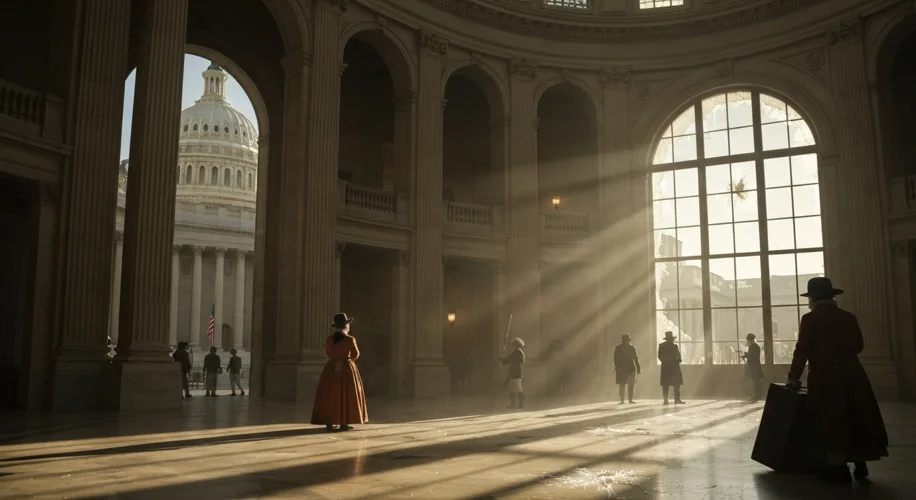
The stark images of January 6th, 2021, still flicker in the minds of many – a mob surging through the halls of the U.S. Capitol, disrupting the peaceful transfer of power. It was an event that sent shockwaves across the nation and the globe, prompting urgent questions about the health of American democracy. While the immediate context is fresh, history offers a long, often uncomfortable, lens through which to view such moments of civil unrest and challenges to established order.
To understand January 6th, we must look beyond the headlines and delve into the currents that have shaped American political expression, for better or worse. The United States, from its very inception, has been a nation forged in revolution and punctuated by periods of intense political fervor. The Stamp Act protests of the 1760s, for instance, saw colonists, deeply aggrieved by taxation without representation, engage in acts of defiance, including the destruction of property and the intimidation of officials. While the context was colonial resistance, the methods of expressing dissent—escalating from peaceful protest to more forceful action when demands were not met—bear a faint, disquieting echo.
Fast forward to the 19th century, and the nation witnessed periods of profound division. The lead-up to the Civil War was rife with political violence, from the caning of Senator Charles Sumner on the Senate floor in 1856 by Congressman Preston Brooks, a brutal act of political retribution over abolitionist speech, to the widespread violence during the 1870s Reconstruction era, where groups like the Ku Klux Klan used terror and intimidation to suppress Black voters and restore white supremacy. These were not mere protests; they were deliberate assaults on the political process and the rights of citizens.
The 20th century offered further, albeit different, examples. The Civil Rights Movement, while largely a testament to nonviolent resistance, also saw moments of intense confrontation. The Watts Riots of 1965, sparked by police brutality, erupted into days of violence and destruction, highlighting the deep-seated racial inequalities that festered beneath the surface of American society. Similarly, the anti-Vietnam War protests, particularly in the late 1960s and early 1970s, often turned volatile, with clashes between protesters and law enforcement, and even instances of tragic violence, such as the Kent State shootings in 1970.
These historical precedents, while distinct in their causes and participants, share a common thread: the willingness of certain groups to resort to violence or coercion when they feel their grievances are ignored or their political aims are obstructed. The key actors and their perspectives in these historical instances, much like in contemporary events, were driven by a complex mix of deeply held beliefs, perceived injustices, and strategic calculations. The underlying fear was often that the established system was failing them, or worse, working against them.
The January 6th attack itself was characterized by a specific set of circumstances: a president who amplified claims of a stolen election, a fervent base that believed these claims, and a political climate already fraught with polarization. The immediate goal was to prevent the certification of electoral votes, a procedural step in the democratic process. The symbolism of the target – the Capitol Building, the seat of American legislative power – was potent. It was an attempt to physically halt a democratic ritual, to impose will through force and intimidation.
The consequences of January 6th have been profound and are still unfolding. They include numerous arrests and prosecutions, congressional investigations, a second impeachment of President Trump, and a national reckoning with political extremism and the fragility of democratic norms. The long-term impact on public trust, political discourse, and the security of government institutions remains a subject of intense debate and concern.
Analyzing January 6th through a historical lens does not excuse the actions of those involved, nor does it diminish the gravity of the event. Instead, it provides crucial context. It reminds us that the challenges to democracy are not entirely new, though their specific manifestations may evolve. Understanding the historical precedents of political violence and the dynamics of civil unrest can help us better recognize the warning signs, understand the motivations, and, perhaps most importantly, reinforce the democratic institutions and norms that are essential for preventing such events from recurring. The echoes of past struggles serve as a stark reminder that the health of a democracy requires constant vigilance, active participation, and an unwavering commitment to peaceful and lawful processes.