

In the hushed halls of justice, where the scales of fairness are weighed and the wheels of law turn, a peculiar and ancient institution has long played a crucial, albeit often unseen, role: the grand jury. Far from the spotlight that follows trials, grand juries have served as gatekeepers, deciding whether accusations of wrongdoing rise to the level of a formal charge. Their lineage stretches back to the mists of English common law, a tradition carried across the Atlantic by colonists who sought to enshrine principles of liberty and due process.
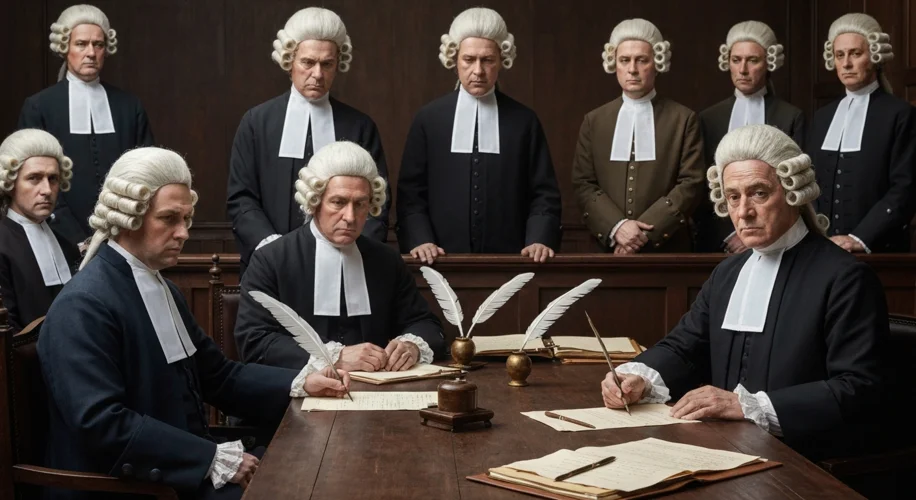
The origins of the grand jury can be traced to the Assize of Clarendon in 1166 England. Faced with a land rife with crime and a need for swift, yet fair, justice, King Henry II instituted a body of local men sworn to investigate accusations and present them to royal judges. This body, the grama juri or “great jury,” was not a trial jury deciding guilt or innocence, but rather an accusatory body, a shield against unfounded charges and arbitrary persecution.
When English colonists arrived in America, they brought this legal tradition with them. The grand jury became an integral part of the colonial justice system, seen as a vital check on the power of the Crown and its appointed officials. It was a body of ordinary citizens, drawn from the community, tasked with reviewing evidence presented by the prosecutor. If a majority of the grand jurors found probable cause to believe a crime had been committed and that the accused person was responsible, they would vote to issue an indictment, or “true bill.” Without this indictment, a case could not proceed to trial. This function was deeply valued, particularly in the lead-up to the American Revolution, as grand juries sometimes refused to indict colonists for acts deemed by the British as treasonous, effectively shielding patriots from what they saw as unjust persecution.
The Founding Fathers recognized the grand jury’s importance. The Fifth Amendment to the U.S. Constitution explicitly states that “no person shall be held to answer for a capital, or otherwise infamous crime, unless on a presentment or indictment of a Grand Jury.” This enshrined the grand jury’s role as a bulwark against governmental overreach, ensuring that serious criminal charges could only be brought forth with the review of a citizen panel. In theory, it was a democratic safeguard, a voice for the community within the formal legal process.
However, the grand jury’s power and its application have been subjects of persistent debate and controversy throughout American history. While intended as a check on power, critics have argued that grand juries often become mere rubber stamps for prosecutors. The proceedings are typically secret, with only the prosecutor presenting evidence and witnesses. The accused and their legal counsel are usually not present, and there is no defense attorney to challenge the prosecution’s narrative or evidence. This asymmetry of information has led to accusations that grand juries are inherently biased, leading to indictments based on incomplete or misleading information.
For much of the 20th century, the grand jury system continued to operate largely as it had for centuries. However, specific events and social movements began to highlight its shortcomings. In cases involving alleged police misconduct, for instance, grand juries have frequently been criticized for failing to indict officers, even when compelling evidence of wrongdoing seemed apparent. The secrecy of the proceedings made it difficult for the public to understand the basis for these decisions, fueling distrust and calls for reform.
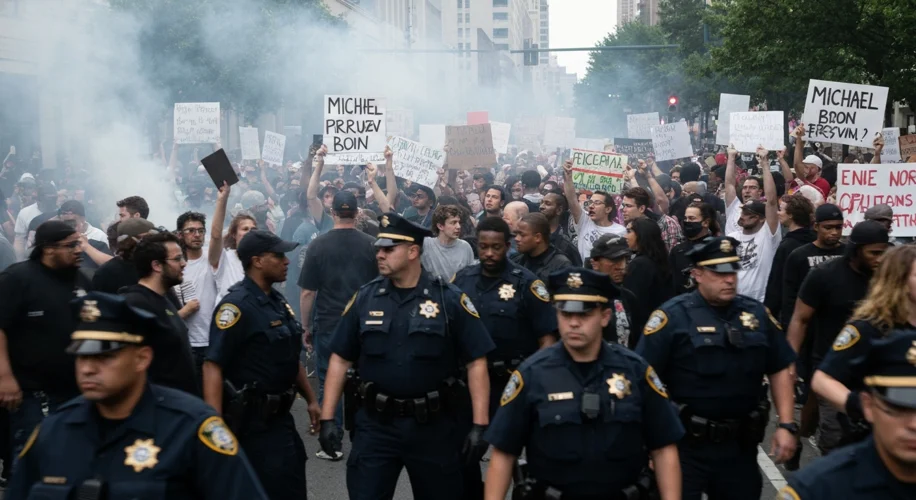
For example, in the wake of controversial shootings by law enforcement in cities across the nation, grand jury decisions to not indict officers have often ignited protests and further polarized communities. The high-profile case of Michael Brown in Ferguson, Missouri, in 2014, is a stark illustration. After the shooting death of the unarmed teenager, the grand jury, after hearing from numerous witnesses and reviewing evidence, declined to indict the police officer involved. This decision, shrouded in secrecy, led to widespread unrest and fueled a national conversation about racial bias and accountability within the justice system.
In response to these and other criticisms, some states began to experiment with reforms. Some jurisdictions moved towards “petit juries” (trial juries) being able to indict, or allowed for greater transparency in proceedings, or even moved to abolish the grand jury system in favor of direct prosecutorial charging, particularly for less serious offenses. However, the federal system and many states continue to rely on the grand jury for felony indictments, clinging to its historical roots as a protector against wrongful accusation.
The late 20th century saw continued scrutiny. Investigations into organized crime, political corruption, and high-profile criminal cases often involved grand juries. Yet, the underlying tension remained: was this ancient institution still serving its intended purpose of protecting the innocent and ensuring justice, or had it become an opaque and potentially biased mechanism that allowed the powerful to evade accountability? The debate continues, a testament to the enduring complexity of the grand jury’s role in the American legal landscape.
Despite its controversies, the grand jury persists. It stands as a living echo of centuries of legal thought, a body whose quiet deliberations can profoundly shape the course of justice. Whether as a shield for the innocent or a hurdle to accountability, its history is deeply interwoven with the evolution of American law and the ongoing quest for a truly equitable justice system.