
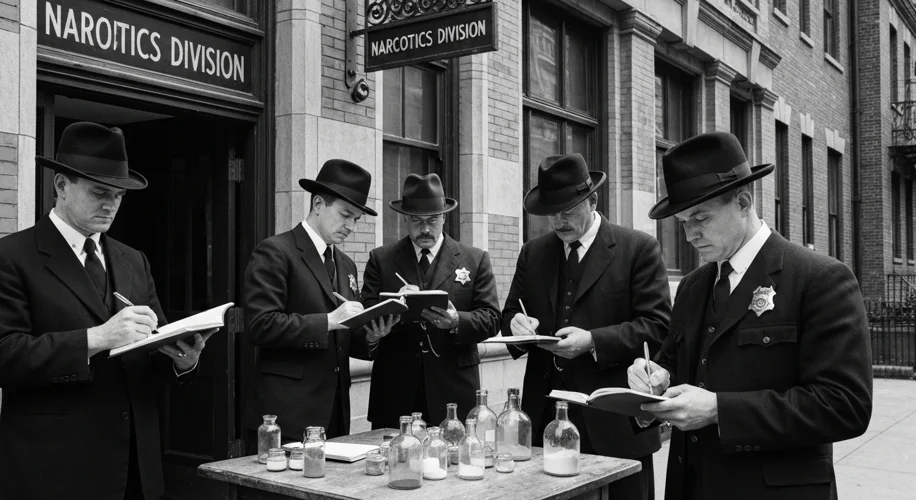
The year is 1914. In a quiet corner of the United States, a nascent movement is stirring, one that would, over the next century, morph into a complex, often controversial, and deeply entrenched national crusade: the War on Drugs.
Long before the ubiquitous headlines and presidential pronouncements, the seeds of this conflict were sown in a landscape shaped by social anxieties, public health concerns, and a growing unease about what was perceived as a threat to the American way of life. The early 20th century was a period of significant societal change in the U.S., marked by rapid industrialization, burgeoning immigration, and the lingering shadows of the temperance movement, which had famously culminated in Prohibition.
Within this context, specific substances began to draw the attention of lawmakers and the public. Opium, a potent derivative of the poppy, had a long history in American medicine and culture, often found in patent medicines promising relief from all manner of ailments. However, by the early 1900s, concerns about addiction and abuse were mounting. Alongside opium, cocaine, derived from the coca leaf, was also gaining traction. Initially lauded for its anesthetic properties and perceived as a general stimulant, its recreational use and addictive potential became a growing concern. Marijuana, often referred to as “cannabis” or “Indian hemp,” was also entering the public consciousness, often associated with Mexican immigrants and viewed through a lens of xenophobia and racial prejudice.
The first significant legislative action came in 1914 with the Harrison Narcotics Tax Act. This wasn’t a ban, but rather an attempt to control the sale and distribution of opium and its derivatives through taxation and regulation. It was framed as a public health measure, aiming to curb the growing problem of addiction. However, its enforcement quickly shifted from a medical to a punitive approach. Doctors prescribing these substances found themselves increasingly under scrutiny, and many users, suddenly deemed criminals, were pushed into the illicit market.
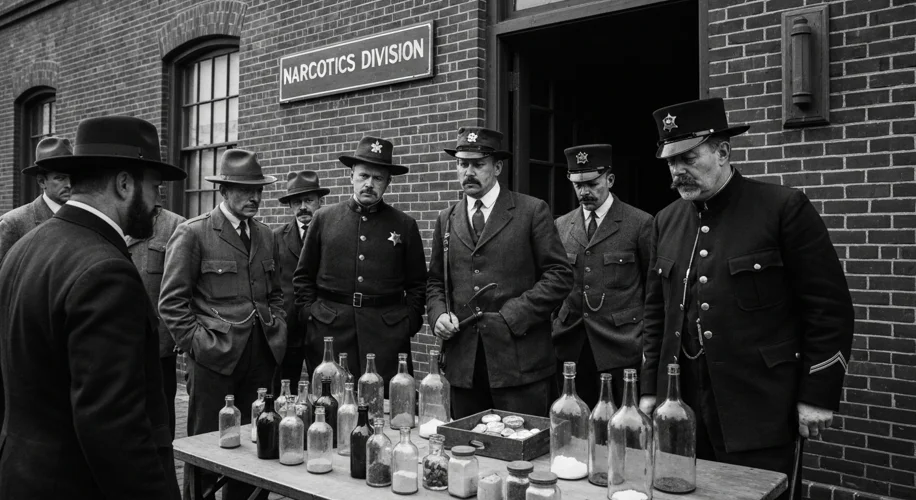
The decades that followed saw a gradual escalation. The Marijuana Tax Act of 1937, championed by figures like Harry Anslinger, the first commissioner of the Federal Bureau of Narcotics, effectively criminalized the substance. Anslinger’s public campaigns, often fueled by sensationalized and inaccurate portrayals of marijuana’s effects, played a significant role in shaping public opinion and influencing legislation. He famously linked marijuana use to violence, insanity, and jazz music, tapping into existing societal fears about cultural change and marginalized groups.
The post-World War II era brought a new wave of concern, this time amplified by the rise of the counterculture in the 1960s. The use of LSD, amphetamines, and marijuana became associated with anti-establishment movements, further fueling anxieties among the more conservative segments of society. This period saw a series of legislative actions that tightened controls on a wider range of drugs, often with harsh penalties. The Controlled Substances Act of 1970, for instance, categorized drugs based on their perceived potential for abuse and established a federal framework for drug offenses.
The 1970s also saw the beginnings of a more concerted, international dimension to the War on Drugs. As illicit drug markets became more globalized, the U.S. began to engage in cooperative efforts with other nations to disrupt drug production and trafficking. This often involved providing financial aid, training, and intelligence to countries involved in drug cultivation or transit, particularly in Latin America. However, these international efforts were not without their own complexities and criticisms, sometimes being intertwined with broader geopolitical agendas and raising concerns about national sovereignty and human rights.
The late 20th century witnessed the formal declaration of a “War on Drugs” by President Richard Nixon in 1971. This marked a significant escalation in rhetoric and enforcement. The focus shifted from mere regulation to an aggressive, zero-tolerance approach, characterized by increased funding for law enforcement, stricter sentencing guidelines, and a powerful propaganda campaign that demonized drug users and traffickers alike.
The consequences of this intensified campaign were profound and far-reaching. While the stated goal was to reduce drug use and crime, critics argue that the War on Drugs led to mass incarceration, disproportionately affecting minority communities. The vast resources poured into enforcement often came at the expense of public health initiatives, such as addiction treatment and harm reduction programs. International cooperation, while aimed at stemming the flow of drugs, sometimes inadvertently destabilized regions or propped up authoritarian regimes.
Looking back, the War on Drugs is a stark reminder of how social fears, moral panics, and political agendas can shape public policy with lasting and often unintended consequences. It’s a complex narrative that continues to unfold, prompting ongoing debates about its effectiveness, its human cost, and the search for more effective and humane approaches to drug policy.
Tags: War On Drugs, Drug Policy, Prohibition, US History
Categories: [“History”, “Politics”, “Social Issues”]
seo_title: “The War on Drugs: A Historical Perspective – Origins & Impact”
seofocus_keyphrase: “The War on Drugs: A Historical Perspective”
seometa_description: “Explore the historical origins and evolution of the U.S. War on Drugs, from early legislation to intensified enforcement and international cooperation.”