
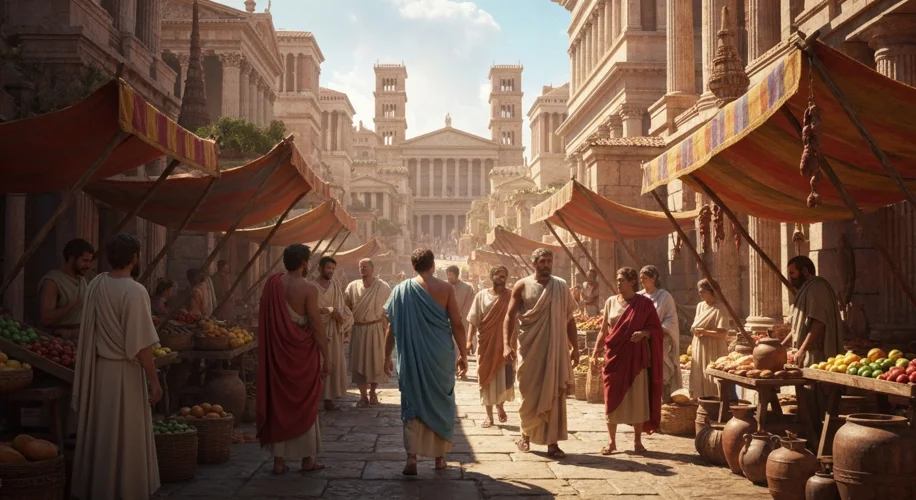
Imagine stepping into ancient Rome, not onto the blood-soaked sands of the Colosseum, but into a bustling marketplace, or perhaps a lavish villa. What immediately assaults your senses? The clang of hammers, the murmur of Latin, and perhaps, most tellingly, the aromas wafting from kitchens and stalls. For in antiquity, and particularly in Rome, food was far more than mere sustenance; it was a potent symbol, a stark declaration of status, wealth, and power.
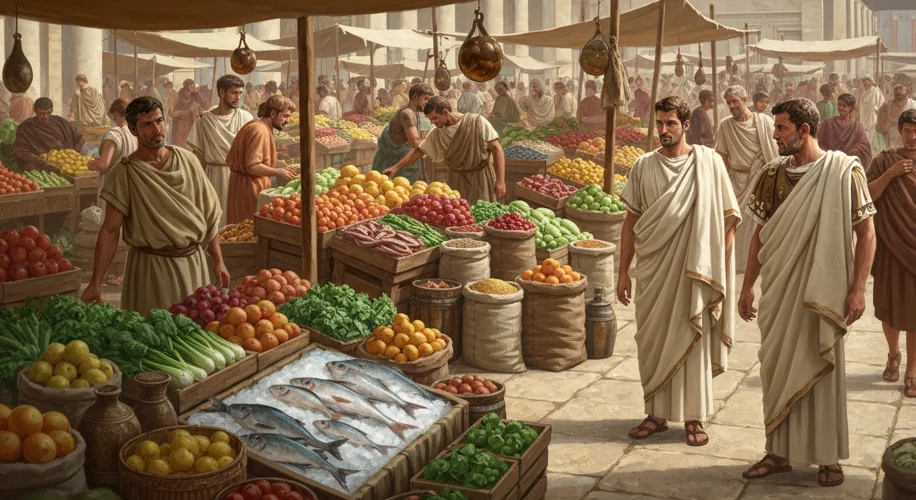
Life for the average Roman plebeian was a far cry from the opulent banquets depicted in popular imagination. Their daily fare was simple, often monotonous, and dictated by what was readily available and affordable. The bedrock of their diet was puls, a thick porridge made from emmer wheat or barley, often boiled with water or milk and sometimes flavored with a bit of salt, honey, or oil. Bread, usually coarse and dark, was a staple, but the finest wheaten loaves were a luxury. Vegetables like cabbage, onions, and leeks, along with legumes such as beans and lentils, provided essential nutrients. For protein, they relied on small game, eggs, cheese, and, crucially, fish and shellfish from nearby waters – a more accessible alternative to the expensive meats enjoyed by the elite.
The contrast with the senatorial class and the equites (knights) was stark. Their tables groaned under the weight of delicacies imported from across the vast Roman Empire. Imagine plump dormice, roasted fowl stuffed with more fowl, exotic fruits, and honey cakes. The wealthy could afford imported spices from the East – pepper, cinnamon, cloves – that transformed simple dishes into exotic feasts, their very presence on a table a testament to global reach and immense wealth. Wine, too, was a marker. While cheap wine was common, fine Falernian or Massic wines, aged and celebrated, were the beverages of choice for the elite. Their banquets were not just meals but elaborate social rituals, often lasting for hours, filled with entertainment, conversation, and the subtle display of culinary prowess and access to the world’s finest ingredients.
Roman social reformers and moralists often lamented this disparity. Figures like Juvenal, the satirist, railed against the excesses of the wealthy, contrasting their decadent banquets with the meager rations of the poor. He famously wrote of the masses who once voted for generals and legions, but now only craved bread and circuses – a clear indication that the state’s primary concern was keeping the populace fed, albeit simply, to prevent unrest.
Access to resources fundamentally shaped daily life and perceptions. The ability to procure and prepare certain foods was a direct reflection of one’s social standing. A Roman magistrate might host a cena (dinner) featuring imported oysters, peacock tongues, and flamingoes, a culinary display that announced his power and influence to his guests. Meanwhile, a common craftsman might be lucky to have a piece of pork or a simple lentil stew to break the monotony of puls.
The Roman diet, therefore, was a microcosm of its society. The frumentatio, or grain dole, provided a basic level of sustenance for the urban poor, a form of social welfare that kept the peace. However, the true ‘food of the gods’ – the exotic meats, imported spices, and fine wines – remained largely the preserve of the elite. This dietary stratification was not just about taste; it was about power, influence, and the very definition of what it meant to be Roman at the highest echelons of society.
Even the preparation and serving of food were stratified. Wealthy Romans had specialized slaves dedicated to culinary tasks, from procurement and preparation to serving. Grand dining rooms (triclinia) were designed for lavish entertainment, while the poor might eat standing up or on crude benches.
In conclusion, the seemingly simple act of eating in ancient Rome was deeply intertwined with social status. The Roman diet, with its stark divisions between the opulent feasts of the elite and the humble sustenance of the plebeians, offers a compelling lens through which to understand the rigid social hierarchy of this enduring civilization. The Roman kitchen, in its own way, was as much a theatre of power as the Senate floor or the imperial palace.